
DIY vs. Hiring a Contractor: How to Know Which Projects Belong to Which
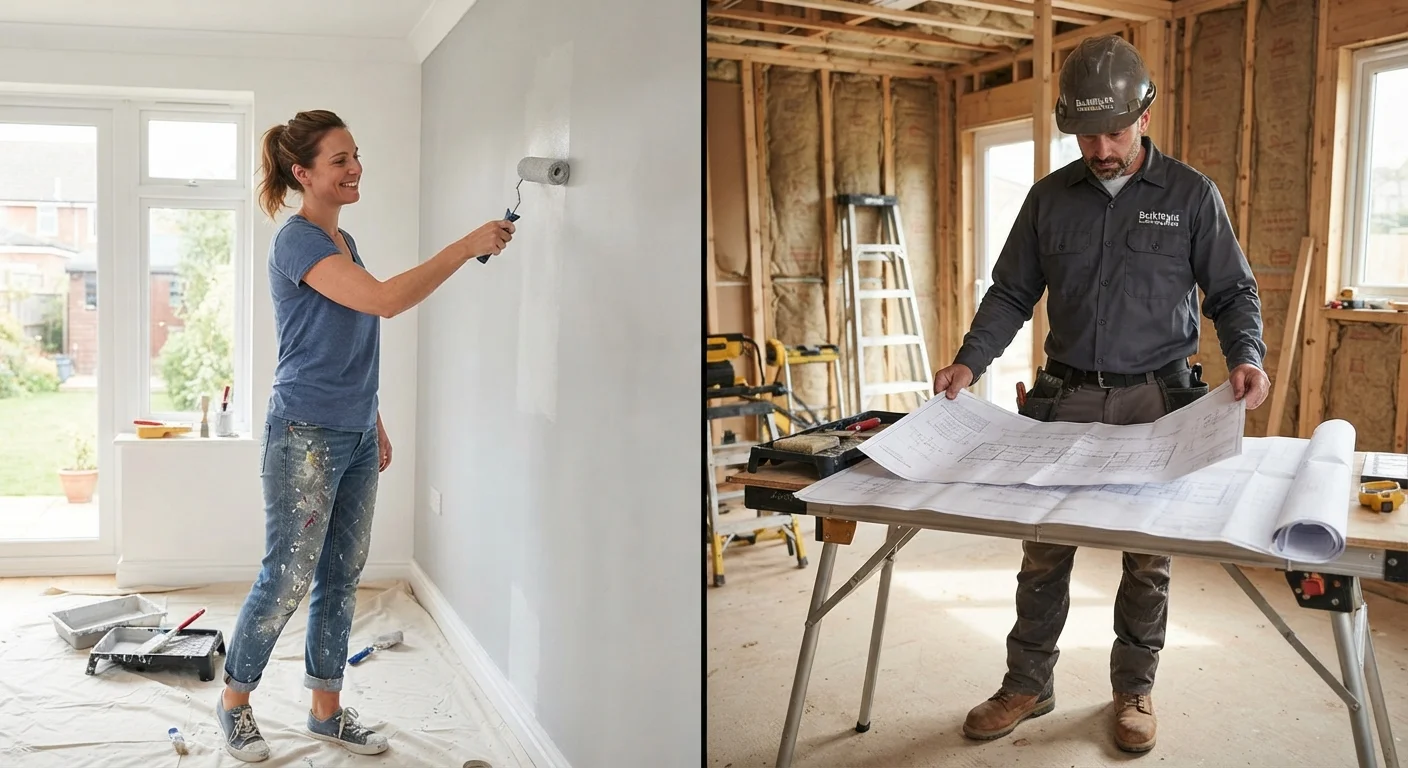
Photo credit: ArticlesHaven.net
In this article
Learn how to confidently decide when to tackle home improvements yourself and when to call in a licensed professional.
Key Takeaways
- Cosmetic and low-complexity projects are generally well-suited for confident DIYers with the right tools.
- Electrical, structural, and gas work typically require licensed professionals and often building permits.
- Skipping permits on regulated work can affect your home's resale value and insurance coverage.
- Your skill level, available time, and the cost of a mistake are the three core variables in the DIY decision.
- Some projects appear DIY-friendly but carry hidden risks that make professional help the safer financial choice.
The Real Question Isn't Pride - It's Risk
Most homeowners approach the DIY-vs.-contractor decision emotionally: they either want to save money or they want to avoid the hassle of finding a reliable pro. Both are reasonable impulses, but neither is the right starting point. The smarter framing is: what happens if this goes wrong?
A botched paint job costs you a weekend and a re-do. A botched electrical connection can cause a house fire. A wall removed without checking whether it's load-bearing can compromise your home's structural integrity. The consequence spectrum is wide, and matching your decision to that spectrum is what separates confident DIYers from expensive mistakes.
For context on how permits and inspections factor into that risk, see this plain-language guide to building permits and inspections - skipping required permits can affect insurance coverage and resale value down the line.
Start With an Honest Skill Inventory
Before pricing out materials, list the specific tasks a project involves and honestly rate your experience with each. A kitchen backsplash involves tile cutting, adhesive setting, and grouting - three distinct skills. Identify which steps you'd be learning on the job, and weight the risk accordingly. First-time learning on low-consequence tasks is fine; first-time learning on tasks with serious failure modes is not.
Projects That Typically Belong in the DIY Column
A project is generally DIY-appropriate when it meets most of these criteria: the consequence of a mistake is low-cost and reversible, no permit is typically required, the skills involved are learnable from reliable sources, and the specialized tools needed are affordable or rentable.
- Interior painting - Low stakes, highly forgiving, and a genuine money-saver. For method trade-offs, see how interior and exterior painting differ.
- Minor drywall repairs - Small holes and surface cracks are manageable for most homeowners. Matching the repair method to the damage type is the key skill here.
- Fixture swaps - Replacing a faucet, a light fixture on an existing circuit, or cabinet hardware falls within reach for careful beginners.
- Landscaping and garden work - Planting, mulching, and basic grading are low-risk and accessible. See how hand tools compare to power tools for outdoor tasks.
- Tile work in low-stakes areas - A backsplash or laundry room floor is a reasonable learning project; a primary bathroom with complex waterproofing is less so.
| DIY | Licensed Contractor | |
|---|---|---|
| Typical cost | Materials + tool costs only | Labor + materials + markup |
| Permit handling | Homeowner's responsibility | Usually managed by contractor |
| Code compliance risk | Higher if unfamiliar with codes | Lower with licensed trades |
| Timeline control | Flexible but often slower | Faster, schedule-dependent |
| Mistake reversibility | Varies widely by project type | Covered by contractor liability |
| Best project fit | Cosmetic, low-risk repairs | Structural, electrical, gas, roofing |
Projects That Typically Require a Licensed Professional
Some work is legally restricted to licensed trades in most U.S. jurisdictions. Other work isn't legally restricted but carries safety or financial risks that make professional execution the pragmatic choice regardless of skill level.
- Electrical panel upgrades and new circuits - This is licensed-electrician territory in virtually every jurisdiction. Understand which electrical tasks carry code requirements before attempting anything beyond basic fixture swaps.
- Structural modifications - Removing or altering walls requires knowing whether they're load-bearing. Identifying load-bearing walls before any demo work is non-negotiable.
- Gas line work - Requires licensed plumbers or gas fitters in most states. The failure mode is catastrophic.
- Mains plumbing connections - Drain line rerouting and supply line tie-ins often need permits and inspections. See which plumbing tasks are genuinely DIY-friendly.
- Roofing - Safety risks from working at height, plus warranty implications on materials, make professional installation the common-sense choice for full replacements.
- Homes with lead paint or asbestos - Older homes require specific handling protocols. Understand EPA guidelines for lead paint before touching anything in pre-1978 construction.
Unpermitted Work Has Real Consequences
Work completed without required permits can create problems when you sell your home, file an insurance claim, or need to refinance. In some cases, municipalities can require unpermitted work to be torn out and redone to code at the homeowner's expense. If you're hiring a contractor, verify they pull the permits themselves - not that they expect you to handle it. Knowing contractor red flags before signing any agreement can protect you from this situation.
How to Evaluate Any Project in the Middle
Many projects fall into a gray zone - deck building, bathroom remodels, HVAC work, large additions. For these, ask yourself four practical questions before deciding:
- Does this require a permit? If yes, understand that permitted work requires inspections, and inspectors verify code compliance. Unpermitted work on a licensed-only task creates liability. For large projects, understanding what a general contractor manages helps clarify what you'd actually be taking on.
- What does a mistake cost? A deck built with undersized joists may look fine for years, then fail under load. The cost of structural remediation is far higher than the labor saved upfront.
- Do I have the tools and time? Tool rental helps, but time is real. A bathroom remodel that a pro crew finishes in a week can stretch to months for a weekend DIYer - with your only bathroom out of service the whole time.
- Is the scope likely to grow? Home projects regularly reveal hidden problems once walls open up. Contractors are better positioned to adapt quickly. If budget is the driver, prioritizing projects by urgency and impact can help you sequence what you tackle yourself versus what you fund professionally.
35%
DIY projects that exceed initial budget estimates
Industry surveys consistently find that a significant share of DIY home improvement projects run over budget, often due to unforeseen material needs or repair complications discovered mid-project.
~$500B
Annual U.S. home improvement spending
According to the Harvard Joint Center for Housing Studies, total U.S. homeowner improvement and repair spending has reached approximately $500 billion annually in recent years.

Author
Articles Haven Editorial Contributor
Articles Haven Editorial Team is the collective byline for our editorial team and contributor network. Articles published under this byline or an editorial pen name are researched, written, and reviewed according to our editorial standards for clarity, consistency, and independence before publication.
View all articles →