
A Plain-Language Glossary of Home Internet Terms Every Consumer Should Know
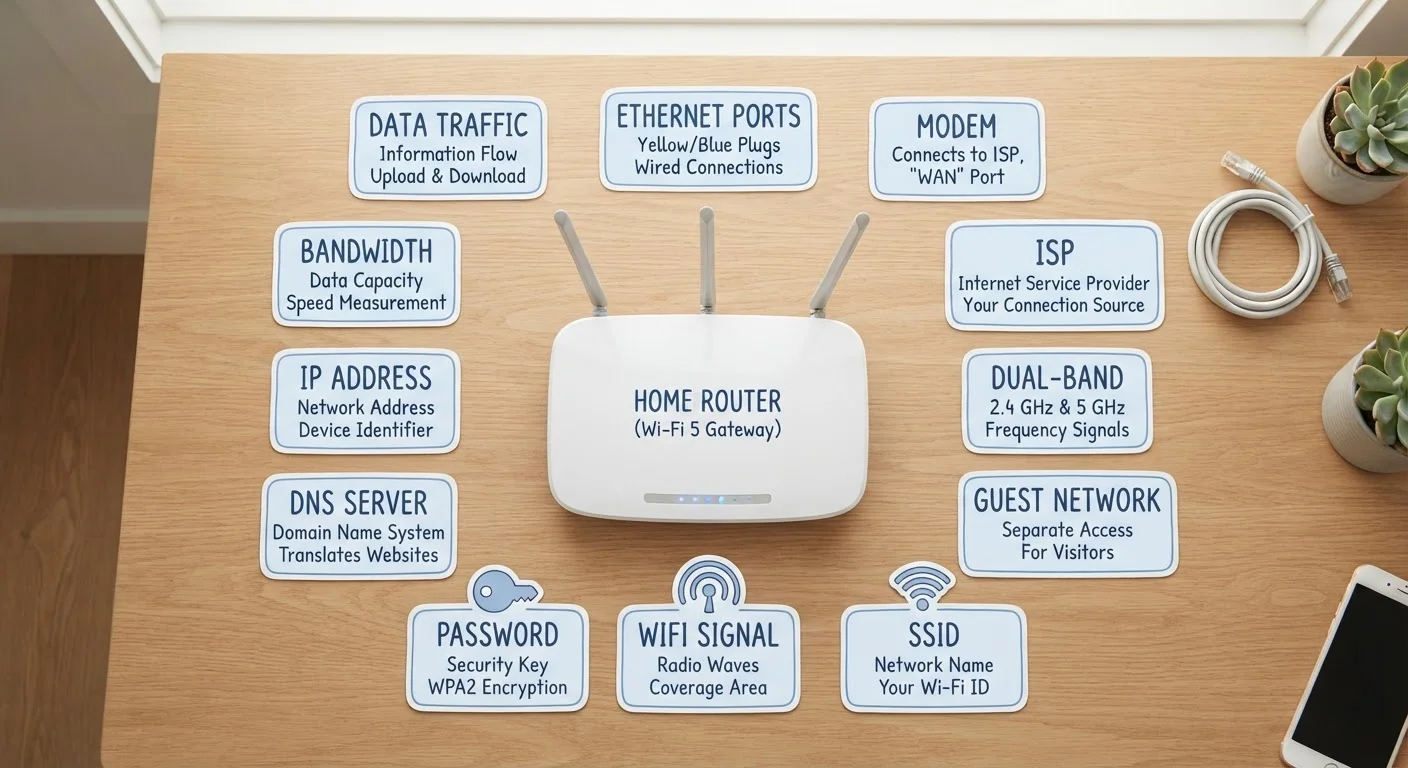
Photo credit: ArticlesHaven.net
In this article
From bandwidth to latency to symmetrical speeds — a quick-reference guide to the most common internet plan terminology.
Why Internet Jargon Matters When You're Shopping
Shopping for a home internet plan means sorting through a wall of technical-sounding terms - bandwidth, latency, symmetrical speeds, data caps. Providers use this language in marketing, but they don't always stop to explain what it means for your household. The result: many consumers end up paying for more than they need, or choose a plan that falls short once they're actually using it.
This glossary cuts through that noise. Whether you're signing up for the first time or reconsidering your current plan, these definitions give you a working vocabulary to compare options with confidence. For a deeper look at how plan tiers and speed packages are structured, see Home Internet Plans Decoded.
| Typical download speed for HD streaming | 5-25 Mbps per stream (FCC Broadband Speed Guide) |
| Upload-to-download ratio on cable plans | Often 1:10 or lower (General industry average) |
| Low-latency threshold for online gaming | Under 50 ms (Widely cited gaming network standard) |
| Common residential data cap range | 1 TB (1,024 GB) per month (Common cap among major US cable ISPs) |
| Fiber symmetrical speed availability | Available to ~43% of US homes (FCC Broadband Deployment Report, 2023) |
Core Speed and Performance Terms
Speed is the first thing most people look at - and the most commonly misunderstood. Here's what the numbers actually tell you.
Bandwidth
The maximum amount of data that can travel over your internet connection at one time, usually measured in megabits per second (Mbps) or gigabits per second (Gbps). Higher bandwidth generally means more devices and activities can run simultaneously without slowdowns.
Download Speed
How fast data moves from the internet to your device, measured in Mbps or Gbps. This affects streaming video, loading web pages, and receiving files.
Upload Speed
How fast data moves from your device to the internet. Upload speed matters most for video calls, live streaming, cloud backups, and sending large files.
Latency
The time delay - measured in milliseconds (ms) - between a data request leaving your device and a response arriving. Low latency is critical for online gaming, video conferencing, and real-time applications.
Data Cap
A monthly limit on how much data you can use before your provider slows your connection or charges overage fees. Not all plans have data caps; those that don't are often marketed as 'unlimited.'
Symmetrical Speed
An internet plan where upload and download speeds are equal - for example, 500 Mbps up and 500 Mbps down. Most common with fiber connections; cable and DSL typically offer much slower upload than download.
ISP
Internet Service Provider - the company that sells and delivers your internet connection. Examples include cable companies, phone companies, and fiber network operators.
Mbps / Gbps
Megabits per second and gigabits per second are units of internet speed. One gigabit equals 1,000 megabits. A plan marketed as '1 Gig' delivers approximately 1,000 Mbps.
Throttling
When a provider intentionally slows your connection speed, often after you exceed a data threshold or during network congestion. Throttling is a common practice even on some 'unlimited' plans.
Modem
A hardware device that connects your home to your ISP's network. It translates signals from the internet into a format your local network can use.
Router
A device that distributes your internet connection to multiple devices in your home, either over Wi-Fi or via wired Ethernet cables. Many ISPs rent a combined modem/router unit.
Fiber Optic
A type of internet connection that uses light signals through glass or plastic cables to deliver data. Fiber tends to offer faster speeds, lower latency, and more consistent performance compared to cable or DSL.
For a side-by-side breakdown of what different speed tiers deliver in practice, Internet Speed Tiers Explained walks through light, standard, high, and gigabit plans in plain terms.
43%
US homes with access to fiber internet
According to the FCC's 2023 Broadband Deployment Report, fiber availability has grown but still leaves many households relying on cable or DSL.
1 TB
Most common monthly data cap
Many major cable ISPs in the US apply a 1 terabyte monthly data threshold before overage charges or speed reduction kicks in.
Under 50 ms
Latency target for real-time gaming
Network engineers and gaming platform guidance generally cite sub-50 ms latency as the threshold for a responsive online gaming experience.
Data, Limits, and Equipment: Terms That Affect Your Bill
Beyond raw speed, a few other terms show up regularly in plan agreements and can affect your monthly cost or day-to-day experience.
Advertised Speeds vs. Real-World Speeds
ISPs advertise speeds 'up to' a maximum, which you may rarely hit in practice. Real throughput depends on network congestion, the quality of your equipment, and how far you are from your ISP's infrastructure. When comparing plans, look for providers that publish typical speed ranges, not just peak figures.
Renting vs. Owning Your Modem or Router
Most ISPs charge a monthly equipment rental fee for a combined modem/router. Purchasing compatible equipment outright can eliminate this ongoing cost, though you become responsible for compatibility and troubleshooting. Verify device compatibility with your ISP before buying.
Data cap and throttling are the two terms most likely to catch consumers off guard. An 'unlimited' plan label doesn't always mean what it sounds like - many plans throttle speeds after a set usage threshold. Read plan details carefully before assuming you have truly uncapped service.
If you're also comparing wireless service alongside your home internet, the Phone Plan Glossary covers similar concepts like data caps and network throttling as they apply to mobile plans. And if you're weighing bundled internet, TV, and phone packages, the Telecom Bundle Glossary defines the contract and pricing terms you'll encounter there.
Ready to apply these terms to a real decision? Choosing a Home Internet Plan From Scratch offers a practical framework for first-time subscribers evaluating their options.
FCC Broadband Speed Guide
The Federal Communications Commission publishes a consumer-facing reference explaining recommended speeds for common household activities, from browsing to 4K streaming.
ISP Speed Test Tools
Most major ISPs and independent services like Ookla's Speedtest.net offer free tools to measure your current download speed, upload speed, and latency - useful for verifying what you're actually getting.
FCC Affordable Connectivity Program Info
Government resource explaining assistance programs that may reduce home internet costs for qualifying households - worth checking before committing to a full-price plan.

Author
Articles Haven Editorial Contributor
Articles Haven Editorial Team is the collective byline for our editorial team and contributor network. Articles published under this byline or an editorial pen name are researched, written, and reviewed according to our editorial standards for clarity, consistency, and independence before publication.
View all articles →