
Buying a Car Out of State: Rules, Paperwork, and Things to Confirm First
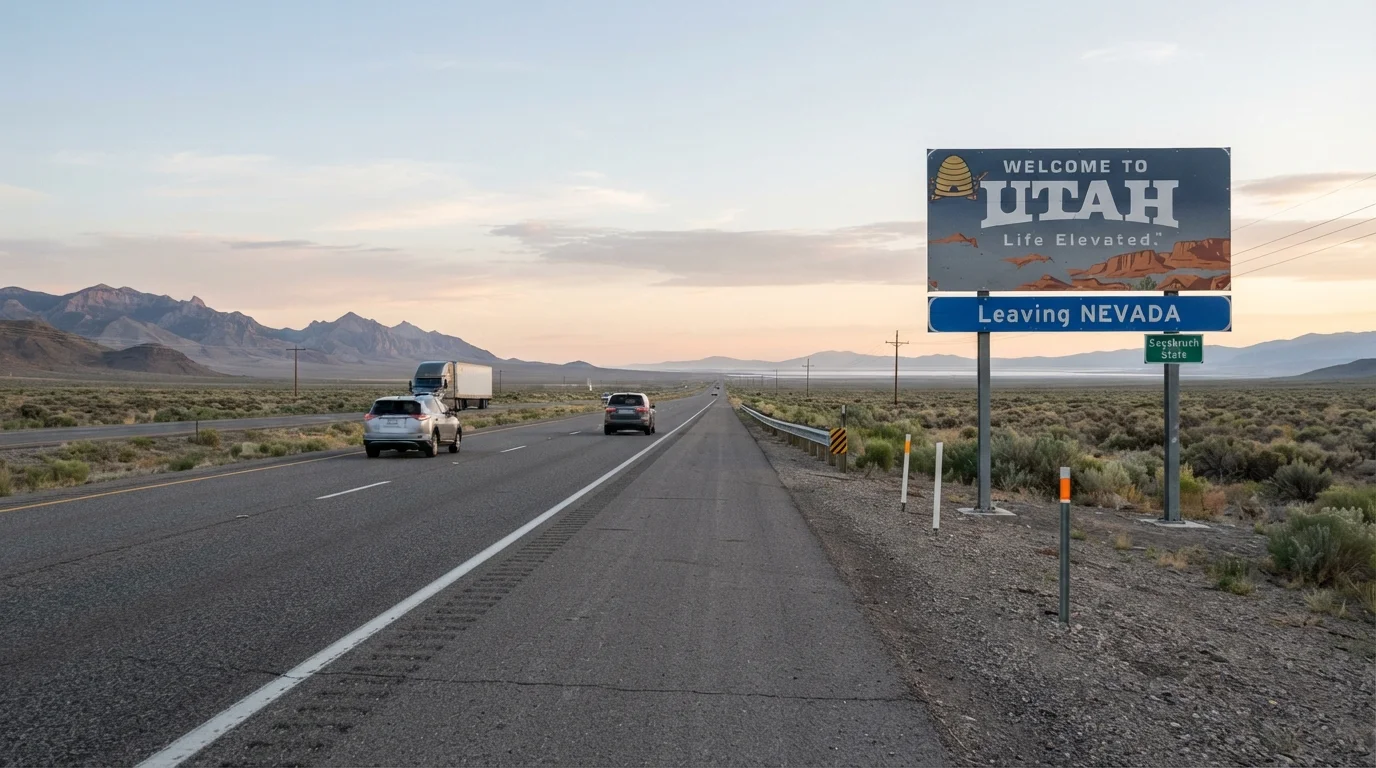
Photo credit: ArticlesHaven.net
Interstate vehicle purchases involve taxes, title transfers, and registration across two states. Here's how the process generally works.
Key Takeaways
- You typically pay sales tax in your home state, not where the car was purchased.
- The seller must provide a clean, lien-free title before you can register the vehicle.
- A temporary permit or dealer transit plate lets you legally drive the car home.
- Emissions and safety inspection requirements vary significantly by state.
- Confirm your auto insurance covers the vehicle before you drive it off the lot.
Why Out-of-State Purchases Add Complexity
Buying a vehicle across state lines isn't unusual - inventory shortages, regional pricing differences, or a specific vehicle found through an online listing can all make it worthwhile. But the transaction doesn't end at the point of sale the way a local purchase does. Two different states' rules govern parts of the process, and it's rarely obvious which state's rules apply to which part.
The selling state controls the title: how it's issued, signed, and transferred. Your home state controls registration, ongoing taxes, and any inspection requirements. The gap between those two bureaucratic processes is where most out-of-state buyers run into delays.
For a broader look at the full paperwork picture, the registration and title reference guide explains what each document means and when you'll need it. And once you complete the purchase, what every new car owner should know before leaving the dealership covers the steps that apply regardless of where you bought the vehicle.
What you will need
What You'll Need and the Steps to Follow
Getting the process right comes down to preparation at three distinct points: before you commit, at the point of sale, and after you're home. Missing any one of these stages tends to cause the most common problems - arriving without proper insurance, leaving without a complete title package, or missing a registration deadline.
Home State DMV Website
Confirms title transfer fees, registration requirements, emissions rules, and applicable taxes for out-of-state purchases.
Vehicle History Report Service
Checks the VIN for title status, odometer records, accident history, and outstanding liens before purchase.
Bill of Sale Template
Documents the agreed purchase price, vehicle details, and buyer/seller information - required by most states for registration.
Temporary Transit Permit
Legally authorizes driving the vehicle from the selling state back to your home state while permanent plates are pending.
Research your home state's out-of-state purchase rules
Before you travel or commit to anything, visit your home state's DMV or motor vehicle agency website. Look up how out-of-state purchases are handled - specifically sales tax reciprocity, any required inspections upon registration, and the timeframe you have to title and register the vehicle after purchase. Rules differ enough between states that skipping this step often leads to surprise fees later.
Run a title and history check on the vehicle
Use the VIN to pull a vehicle history report and confirm the title is clean - no liens, no salvage branding, no odometer rollback flags. You can also contact the selling state's DMV to verify title status directly. See our used car inspection guide for a broader checklist of what to verify before committing.
Confirm insurance coverage before the transaction
Contact your insurance provider before finalizing the purchase and confirm that your existing policy will cover the new vehicle - including during the drive home. Most personal auto policies extend coverage to a newly purchased vehicle for a short period, but that window and its conditions vary by insurer. Don't assume coverage exists; get explicit confirmation.
Gather required documents at the point of sale
At minimum, collect the following before leaving: a signed title (or a dealer title assignment), a bill of sale showing purchase price and vehicle details, an odometer disclosure statement (federally required for vehicles under 10 years old), and any warranty documentation. Dealers in most states will also issue a temporary transit plate or permit. Review what to bring to the dealership for a pre-visit preparation checklist.
Handle sales tax according to your home state's rules
In most cases, sales tax is owed to your home state - not the state where you bought the car. Some dealers in the selling state will collect your home state's tax rate on your behalf (particularly under interstate agreements), while others will not collect any tax, leaving you responsible upon registration. Either way, budget for the tax based on your home state's rate applied to the purchase price.
Title and register the vehicle in your home state
Once you're home, visit your local DMV with your title, bill of sale, odometer disclosure, proof of insurance, and payment for registration fees. Some states require a vehicle inspection or emissions test before issuing plates. Complete this within your state's required window - typically 30 to 90 days. For a full breakdown of what each document means and when it's needed, see our guide on registration, titles, and plates.
Don't Assume Tax Rules Are Simple
Some states have reciprocity agreements that affect how much sales tax is collected at the point of sale. Others require you to pay the full tax rate upon registering at home regardless of what you paid elsewhere. Check your home state's DMV or department of revenue website - and confirm with the selling dealer - before finalizing any numbers.
Keep Copies of Everything
Scan or photograph your bill of sale, title, odometer disclosure, and any temporary permit before you drive away. Your home state's DMV may ask for multiple documents simultaneously, and having digital backups prevents delays if anything is lost in transit.
Title Must Be Clean Before You Leave
Never accept a vehicle without a clear, signed title in hand - or a guaranteed process to receive one promptly. An outstanding lien or title issue in the selling state can delay registration in your home state by weeks or longer. If the seller is a private party, verify there are no liens through the state's DMV or a title history service before completing the transaction.
If you're buying online rather than in person, the logistics around document handling and temporary permits can differ. The online car buying process guide covers those distinctions in detail.

Author
Articles Haven Editorial Contributor
Articles Haven Editorial Team is the collective byline for our editorial team and contributor network. Articles published under this byline or an editorial pen name are researched, written, and reviewed according to our editorial standards for clarity, consistency, and independence before publication.
View all articles →