
Home Improvement Projects That Typically Require a Licensed Electrician
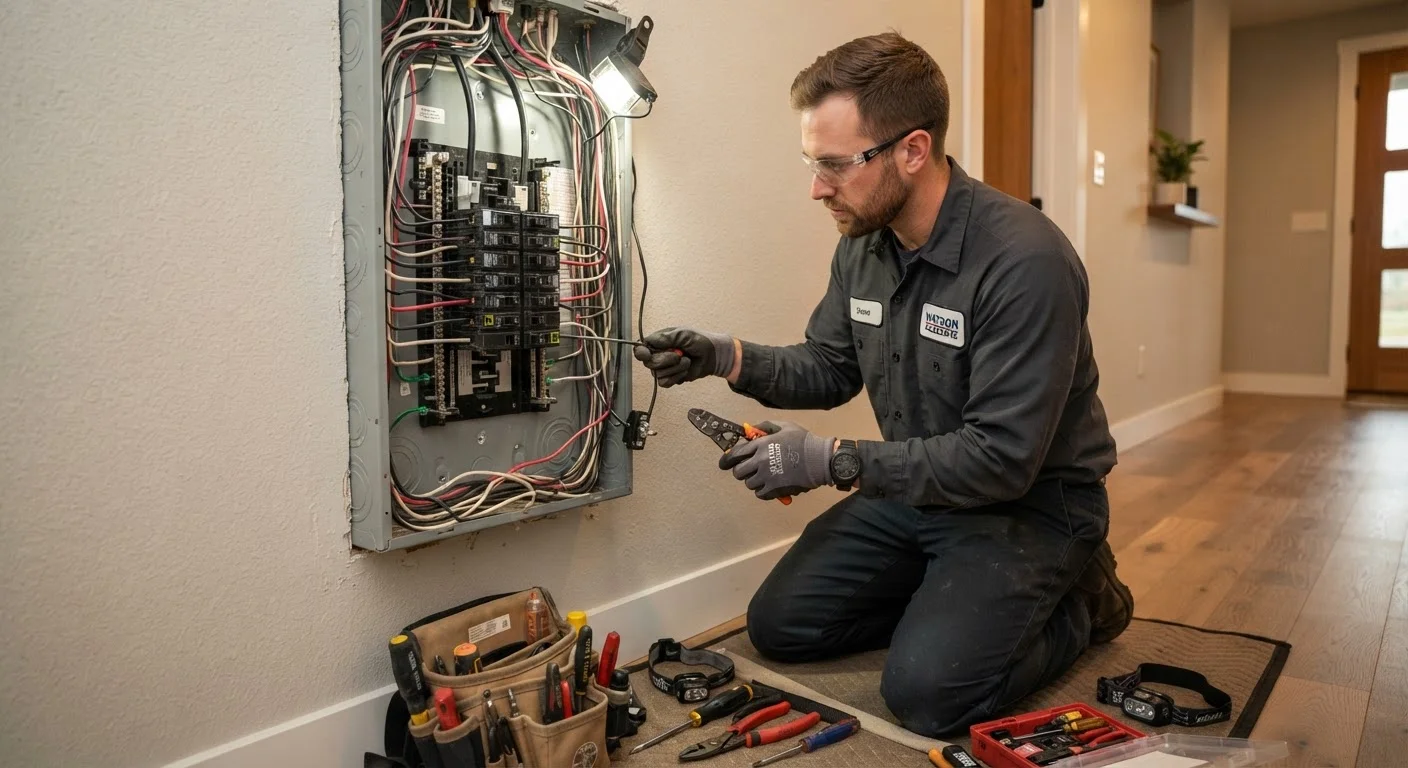
Photo credit: ArticlesHaven.net
In this article
From panel upgrades to new circuits, understand which electrical tasks carry safety and code requirements that call for a pro.
Key Takeaways
- Electrical panel upgrades and service changes almost always require a licensed electrician and a permit.
- DIY electrical work on regulated projects can void homeowner's insurance and create liability during resale.
- Most jurisdictions require inspections for new circuits, subpanels, and whole-home rewiring projects.
- Permits protect you - unpermitted electrical work can complicate home sales and mortgage approvals.
- A licensed electrician can identify code violations in existing wiring that DIY work might miss or worsen.
When DIY Ends and a Pro Should Begin
Homeowners tackle plenty of legitimate electrical work without professional help - swapping out a light fixture, replacing a standard outlet, or installing a ceiling fan on an existing circuit. These tasks are manageable when power is cut, basic precautions are followed, and the work matches what's already there.
But there's a meaningful line between low-voltage swaps and work that touches the core of your home's electrical system. Cross that line without proper licensing, and you're not just risking a shock - you may be creating fire hazards, triggering insurance complications, and building in problems that surface at the worst possible time, like when you try to sell your home.
The projects listed below are ones that local codes across most U.S. jurisdictions categorize as licensed work - meaning a permit is typically required, a qualified electrician must perform or supervise the work, and an inspection usually follows. Requirements vary by municipality, so always verify with your local building department before starting any significant electrical project. This is general educational information, not legal or code compliance advice for your specific situation.
Licensing Requirements Vary by State and Locality
Electrical licensing is regulated at the state level in most of the U.S., and some states delegate further authority to counties or municipalities. What requires a license and permit in one jurisdiction may have different rules in another. Always check with your local building department or AHJ (Authority Having Jurisdiction) before starting electrical work - don't rely solely on general guidance.
Projects That Typically Require a Licensed Electrician
Electrical Panel Upgrades and Service Changes
Upgrading from a 100-amp to a 200-amp service panel, replacing a worn or recalled panel, or adding a new main panel for a detached structure is among the most commonly regulated electrical jobs. The work involves your utility connection, the service entrance, and the main breaker - components that carry live current even when your breakers are off.
Almost every jurisdiction requires a permit for this work, utility coordination, and a post-installation inspection before power is restored. Unlicensed panel work is also a red flag for home inspectors and insurance underwriters.
Panel upgrades involve live utility connections that remain energized even when breakers are off.
Adding New Circuits
Running a new dedicated circuit - for a kitchen appliance, home office, EV charger, hot tub, or workshop - means working inside the panel to install a new breaker, running new wire through walls or attic spaces, and connecting to an outlet or hardwired device. This isn't the same as replacing an outlet on an existing circuit.
New circuits must meet current National Electrical Code (NEC) standards for wire gauge, breaker amperage, and outlet type (GFCI or AFCI protection where required). Local jurisdictions adopt and sometimes amend the NEC, so code requirements vary. A permit and inspection are standard.
New circuits must meet current NEC standards - requirements that vary by local jurisdiction.
Whole-Home or Partial Rewiring
Older homes with knob-and-tube or aluminum branch-circuit wiring, or homes that have been expanded with unpermitted additions, may need rewiring to bring them up to modern safety standards. This is complex, disruptive work that often requires opening walls, coordinating with insulation, and inspecting every circuit in sequence.
Beyond the technical scope, this type of project almost always requires a permit, staged inspections, and in many cases, a licensed master electrician rather than just a journeyman. Insurers often require documentation of completed rewiring before they'll cover older homes at standard rates.
Rewiring older homes often requires a master electrician, staged inspections, and insurer documentation.
Subpanel Installation
Adding a subpanel in a garage, workshop, basement, or accessory dwelling unit extends your home's electrical capacity to a new area. The work involves sizing the subpanel correctly, running a feeder cable from the main panel, establishing a proper grounding system, and ensuring the feeder breaker is sized appropriately.
Grounding and bonding requirements for subpanels are specific - and getting them wrong creates shock and fire hazards that aren't always immediately visible. Permits and inspections are standard for this work in most jurisdictions.
Improper subpanel grounding creates hazards that may not be immediately visible but remain dangerous.
Outdoor and Underground Electrical Work
Installing outdoor outlets, running power to a detached garage or shed, or burying conduit or direct-burial cable for landscape lighting or a pool all fall under regulated electrical work. Underground work has specific depth requirements, conduit material rules, and burial cable ratings that vary by application.
Outdoor circuits in wet or damp locations require GFCI protection and weatherproof enclosures rated for the exposure. Pool and hot tub wiring is especially heavily regulated, given the combination of water and electricity.
Pool and hot tub wiring is among the most heavily regulated residential electrical work due to water proximity.
Generator and Transfer Switch Installation
Connecting a standby or portable generator to your home's wiring without a proper transfer switch creates a condition called backfeed - where generator power flows back onto utility lines, endangering utility workers and damaging your equipment when power is restored. Transfer switches prevent this, but they must be correctly installed at or near the main panel.
This is a permitted project in virtually every jurisdiction, and it may also involve coordination with the utility. A licensed electrician ensures the interlock or automatic transfer switch is installed to code and won't create a safety hazard during an outage.
Backfeed from an improperly wired generator can endanger utility workers restoring power to your street.
Ask for the Permit Before Work Starts
A straightforward way to vet an electrician: ask whether they'll pull a permit for the job. Reputable contractors pull permits as a matter of course for regulated work - it protects them and you. If a contractor suggests skipping the permit to save money, treat that as a significant red flag. The savings rarely offset the risk.
Protecting Yourself Before and After the Work
Hiring a licensed electrician isn't just about passing inspection - it's about documentation. Keep copies of all permits and inspection sign-offs. These records matter when you refinance, sell, or file an insurance claim. Unpermitted electrical work is one of the most common issues flagged during home sales, and it can delay or derail a closing.
If you're weighing which projects to prioritize financially, it helps to have a framework. Electrical safety issues generally belong at the top of any urgency list. See our guide to prioritizing home improvement projects on a budget for a broader look at how to sequence work when funds are limited.
For context on where the DIY versus pro line sits in another trade, our piece on plumbing work you can do yourself versus what needs a licensed plumber covers similar territory for water systems. The logic is parallel: low-stakes fixes are often fair game; anything that touches the main system, requires a permit, or creates structural risk typically isn't. And if you're planning an addition that will need new electrical capacity built in from the ground up, our overview of how home addition projects work from permit to punch list explains what that full process looks like.

Author
Articles Haven Editorial Contributor
Articles Haven Editorial Team is the collective byline for our editorial team and contributor network. Articles published under this byline or an editorial pen name are researched, written, and reviewed according to our editorial standards for clarity, consistency, and independence before publication.
View all articles →