
What Homeowners Should Know About Lead Paint Before Any Renovation
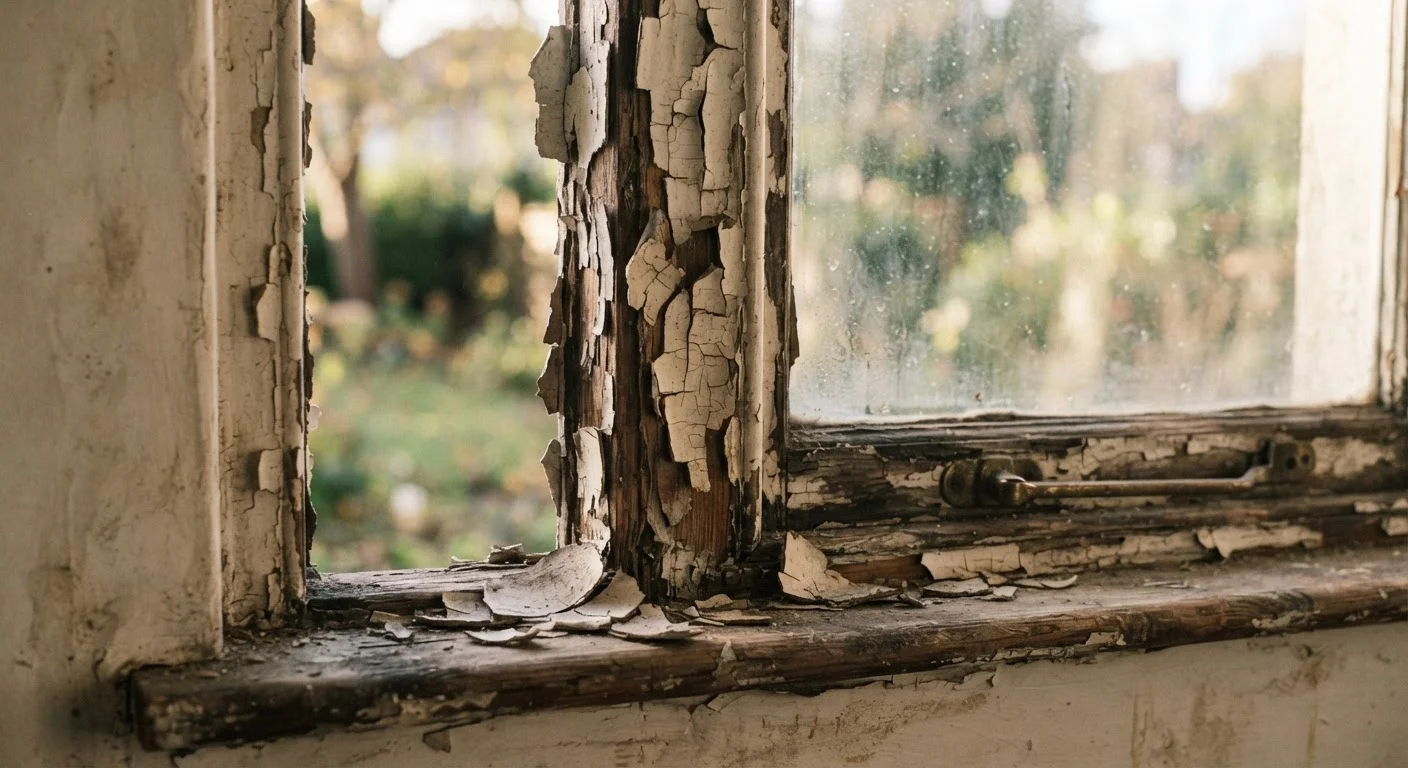
Photo credit: ArticlesHaven.net
In this article
Homes built before 1978 may contain lead paint. Understand the risks, EPA guidelines, and when professional remediation is required.
Why Lead Paint Is Still a Renovation Concern
Lead-based paint was banned for residential use in the United States in 1978. Any home built before that year - and there are tens of millions of them - may contain it, often in multiple layers beneath newer coatings. As long as that paint remains intact and undisturbed, the immediate risk is relatively low. The problem starts when you sand, scrape, cut, or demolish surfaces covered by it.
Renovation work that disturbs lead paint generates fine dust and paint chips that can be inhaled or ingested - a meaningful health hazard, particularly for children under six and pregnant individuals. Lead exposure is linked to neurological damage, developmental delays, and other serious health effects. Because of this, the EPA classifies lead paint abatement and renovation work as a regulated activity, not simply a home improvement choice.
If you're weighing whether to handle a project yourself or bring in help, this is one area where the regulatory and safety picture genuinely shapes your options. See our guide to deciding when to DIY versus hire a contractor for a broader framework.
| Year Lead Paint Was Banned (Residential) | 1978 (U.S. Consumer Product Safety Commission) |
| Estimated Pre-1978 US Homes with Lead Paint | Approximately 29 million (U.S. Department of Housing and Urban Development) |
| Highest-Risk Population | Children under age 6 and pregnant individuals (EPA Lead Renovation, Repair, and Painting Program) |
| Contractor Certification Required | Yes, under EPA RRP Rule for applicable projects (EPA RRP Rule (40 CFR Part 745)) |
| Disclosure Required in Home Sales | Yes, for pre-1978 homes under federal law (HUD/EPA Lead Disclosure Rule) |
Testing, Regulations, and What the EPA Requires
Before beginning any renovation in a pre-1978 home, it's worth knowing whether lead paint is present. Two common testing approaches are used: swab test kits available at hardware stores, and professional testing by a certified lead inspector or risk assessor. While DIY kits can indicate presence, they don't provide the precise location, concentration, or condition data that professionals assess. A certified inspector's report is also the document lenders, buyers, and regulators may require.
The EPA's Renovation, Repair, and Painting (RRP) Rule applies to contractors working in homes with lead paint when young children or pregnant individuals are present, or in child-occupied facilities. Under the RRP Rule, contractors must be certified, use specific containment and cleanup practices, and provide documentation. Hiring a contractor who isn't RRP-certified for this type of work is both a legal and safety issue - watch for that gap when vetting candidates. Our article on contractor red flags to watch for covers related warning signs.
Homeowners performing their own work in their own residence are generally not bound by the RRP Rule - but the physical risks remain exactly the same. Taking protective measures (proper respirators rated for lead dust, disposable coveralls, sealing off work areas, and careful disposal of debris) is not optional from a health standpoint even if it's technically optional under law.
Lead-Based Paint
Paint containing lead as an additive, widely used in US homes before 1978. It becomes hazardous when it deteriorates or is disturbed through sanding, scraping, or demolition.
RRP Rule
The EPA's Renovation, Repair, and Painting Rule, which requires certified contractors to follow specific lead-safe work practices when working in pre-1978 homes where children or pregnant individuals may be present.
Lead Abatement
A regulated process of permanently eliminating lead paint hazards through removal, encapsulation, or enclosure, performed by a certified abatement contractor.
Encapsulation
A lead paint management method that covers intact lead paint with a specially formulated coating or rigid material, sealing it from exposure without full removal. It is not a permanent fix if the underlying paint deteriorates.
Risk Assessor
A certified professional who evaluates a property for lead paint hazards, including condition, location, and exposure risk, and recommends appropriate remediation strategies.
Lead Dust
Fine particles generated when lead paint is sanded, scraped, or disturbed during renovation. It is the primary exposure pathway and is invisible to the naked eye.
Lead paint disclosure is also a legal requirement in real estate transactions. Sellers of pre-1978 homes must disclose known lead paint hazards to buyers. If a home inspection surfaces concerns, that can reshape renovation priorities significantly - something discussed in detail in what happens during a home inspection.
29 million
US homes estimated to contain lead-based paint
According to the U.S. Department of Housing and Urban Development, a significant share of the pre-1978 housing stock still contains lead paint in some form.
1978
Year residential lead paint was federally banned
The U.S. Consumer Product Safety Commission banned lead-based paint for residential use effective in 1978, making home age the primary screening factor.
Under age 6
Age group at highest risk from lead exposure
The EPA and CDC identify young children as especially vulnerable because developing nervous systems are more susceptible to lead's neurological effects.
Lead paint is not the only legacy hazard in older homes. Asbestos, commonly found in insulation, floor tiles, and textured ceilings in pre-1980s construction, raises parallel concerns. If your home may contain both, understanding what asbestos testing involves is a logical next step. And be cautious of budget assumptions going in - renovation myths that derail project budgets often includes underestimating hazardous-material remediation costs.
Disclosure and Legal Obligations Vary by State
Federal law sets minimum disclosure requirements for pre-1978 homes, but some states have additional regulations governing lead paint testing, contractor licensing, and waste disposal. Before starting any renovation or sale involving a potentially affected property, check your state's specific requirements through your state environmental or housing agency. This article provides general information only and is not legal or regulatory advice.

Author
Articles Haven Editorial Contributor
Articles Haven Editorial Team is the collective byline for our editorial team and contributor network. Articles published under this byline or an editorial pen name are researched, written, and reviewed according to our editorial standards for clarity, consistency, and independence before publication.
View all articles →