
A Plain-Language Guide to Reading Nutrition Labels
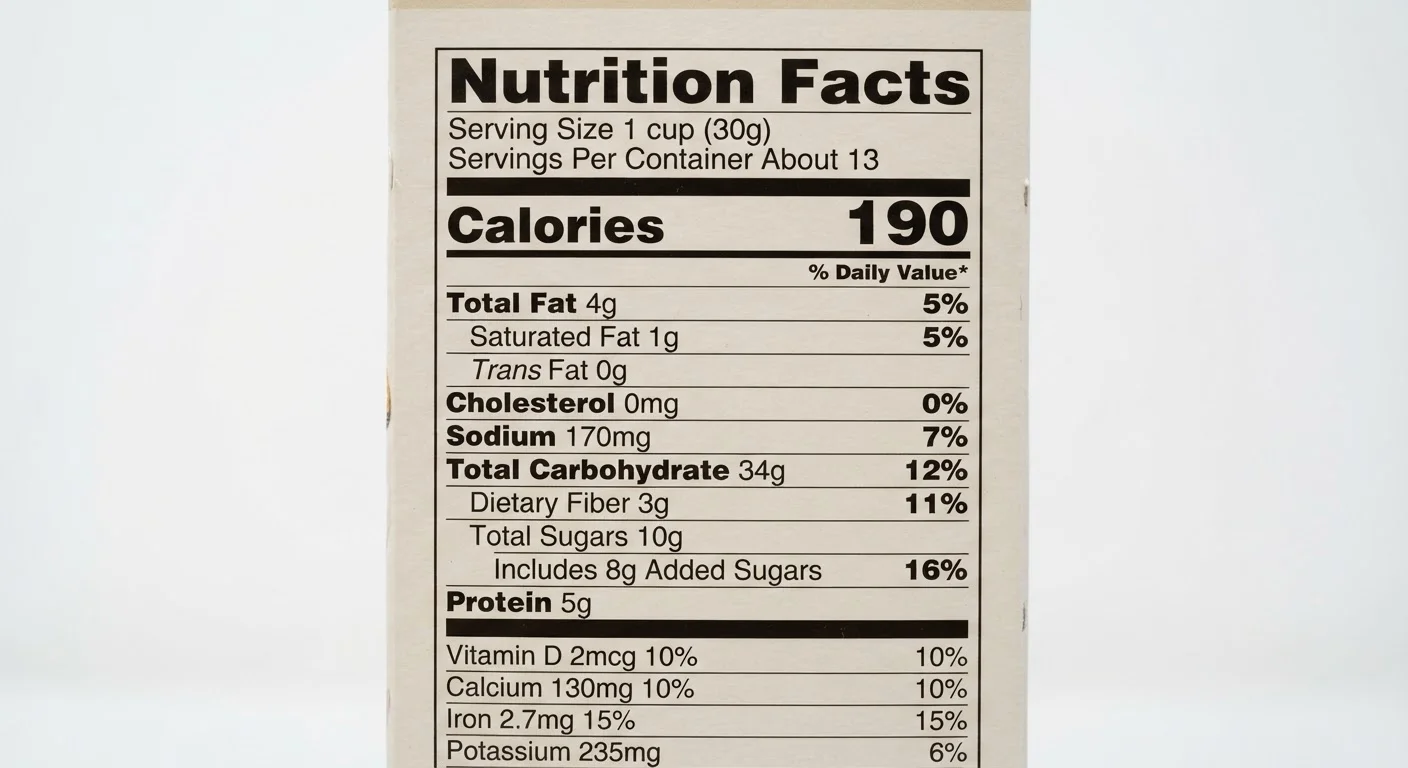
Photo credit: ArticlesHaven.net
In this article
What each section of a nutrition label actually means and how to use that information day to day.
Key Takeaways
- Serving size is the anchor for every other number on the label - always check it first.
- Percent Daily Value tells you how much a nutrient in one serving contributes to a standard 2,000-calorie diet.
- Some nutrients (saturated fat, sodium, added sugars) are worth limiting; others (fiber, vitamins) are worth seeking out.
- Front-of-package claims like 'low fat' or 'natural' are marketing - the Nutrition Facts panel is the reliable source.
- Labels are a comparison tool, not a strict rulebook; context and overall diet patterns matter more than single numbers.
Why the Label Exists and What It's Designed to Do
The Nutrition Facts label is a federal requirement for most packaged foods sold in the United States, governed by the Food and Drug Administration (FDA). Its core purpose is straightforward: give consumers a standardized, factual snapshot of what they're eating so they can make informed choices.
The current label format - updated by the FDA and phased in between 2018 and 2020 - reflects changes in nutrition science and eating habits. Key updates included a mandatory line for added sugars and a larger, bolder calorie display. Understanding why the label is structured the way it is makes it easier to use.
It's worth noting upfront: the label is a tool for comparison and awareness, not a verdict on whether a food is 'good' or 'bad.' For a broader look at how these numbers fit into everyday eating, see what a balanced diet actually means in plain terms.
Serving Size
The standardized amount of food the label's numbers are based on. It's set by the FDA to reflect typical consumption - not a recommended portion.
Percent Daily Value (%DV)
A percentage showing how much of a nutrient one serving provides relative to the daily recommended amount for a 2,000-calorie diet. Useful for quick comparisons.
Macronutrients
The three main nutrient categories that provide calories: fat, carbohydrates, and protein. All three appear on every Nutrition Facts label.
Added Sugars
Sugars and sweeteners added during food processing or preparation, as opposed to sugars occurring naturally in ingredients like fruit or milk.
Dietary Fiber
A type of carbohydrate the body cannot fully digest. Higher fiber intake is associated with digestive health benefits and is a nutrient many Americans don't get enough of.
Saturated Fat
A category of fat found mainly in animal products and some plant oils. Most dietary guidelines recommend limiting intake, particularly for heart health.
Start Here: Serving Size and Servings Per Container
The serving size sits at the very top of the label for a reason - it anchors every other number. It reflects a standardized amount the FDA has determined people typically consume in one sitting, not necessarily an ideal or recommended portion.
Directly below it, servings per container tells you how many of those servings are in the whole package. A bag of chips might list 1 oz as a serving with 8 servings per container. If you eat the whole bag, multiply every number by eight.
Single-Serving Packaging Can Be Misleading
Some products that look like a single serving - a bottle of juice, a small bag of snacks - actually contain two or more servings according to the label. Before accepting any calorie or nutrient figure at face value, confirm how many servings the whole container holds and adjust accordingly.
Pay particular attention when a package looks single-serving but technically contains two or more. This is one of the most common points of confusion when comparing products at the grocery store.
Calories and the Big Three Macronutrients
Calories measure the energy a serving provides. The label then breaks down where those calories come from across three macronutrients:
- Total Fat - includes saturated fat and trans fat as sub-lines. Unsaturated fats (not broken out separately) are generally considered less harmful than saturated fats.
- Total Carbohydrate - includes dietary fiber and total sugars (with added sugars as a further sub-line).
- Protein - listed in grams, though no %DV is required by law unless a product makes a protein claim.
For everyday adults who aren't tracking macros for athletic purposes, the practical takeaway is to notice the relative proportions - and to look at fiber and added sugars specifically, since those sub-lines carry the most actionable information for most people. For more context on protein specifically, see protein intake guidance for non-athletes.
Nutrients to Limit and Nutrients to Prioritize
The label organizes nutrients into two informal groups based on general public health guidance:
Nutrients most people consume in excess
- Saturated fat - linked in research to cardiovascular risk when consumed in large amounts
- Sodium - high intake is associated with elevated blood pressure in some populations
- Added sugars - the American Heart Association and federal dietary guidelines both recommend limiting intake
Nutrients many people fall short on
- Dietary fiber - supports digestive health and is associated with reduced chronic disease risk
- Vitamin D, calcium, iron, and potassium - listed because deficiencies are common in the US population
Use %DV to Compare, Not Just Evaluate
When choosing between two similar products, keep the serving sizes consistent and compare the %DV column side by side. It's often faster than doing gram-by-gram math and gives you an apples-to-apples signal for nutrients that matter most to you.
This is general health information - not personal medical advice. If you have specific dietary needs or health conditions, a registered dietitian or your healthcare provider is the right resource for personalized guidance.
Percent Daily Value: What That Number Really Tells You
Percent Daily Value (%DV) appears in the right-hand column and tells you how much of a nutrient one serving contributes toward the daily reference amount. That reference amount is based on a 2,000-calorie-per-day diet - a standardized figure used for labeling, not a universal prescription.
A practical rule of thumb from the FDA:
- 5% DV or less = low in that nutrient
- 20% DV or more = high in that nutrient
Use this to quickly compare two products. If one cereal has 15% DV of sodium and another has 4%, you have a clear, comparable signal - no math required. The %DV framework works the same way whether you're trying to get more of something (fiber) or less of something (saturated fat).
The 2,000-Calorie Baseline Is a Reference, Not a Target
Daily Value percentages are calculated against a 2,000-calorie daily diet - a standardized figure chosen for labeling consistency, not a recommendation for every person. Individual calorie and nutrient needs vary significantly by age, body size, activity level, and health status. Use %DV for comparison purposes, not as a personal dietary prescription.
Putting the Label to Practical Use
Reading a label is a skill that gets faster with repetition. Here's a practical sequence that works at the shelf:
- Check the serving size and how many servings are in the package.
- Glance at calories per serving relative to how much you'll actually eat.
- Scan sodium, saturated fat, and added sugars using %DV to flag anything unusually high.
- Check fiber - most Americans fall short of the recommended daily amount.
- Use the label to compare two similar products, keeping serving sizes consistent.
Front-of-package text - phrases like 'multigrain,' 'light,' or 'a good source of calcium' - can be useful pointers, but they're not substitutes for the panel itself. Marketing claims are held to different standards than the Nutrition Facts section.
For a broader look at applying this knowledge during a grocery trip, see grocery shopping with nutrition in mind. And if you encounter unfamiliar terms, the nutrition and wellness glossary is a useful quick reference.
This article is for general informational and educational purposes only and is not a substitute for professional medical or dietary advice. Consult a qualified healthcare provider or registered dietitian for guidance specific to your health needs.
Frequently Asked Questions

Author
Articles Haven Editorial Contributor
Articles Haven Editorial Team is the collective byline for our editorial team and contributor network. Articles published under this byline or an editorial pen name are researched, written, and reviewed according to our editorial standards for clarity, consistency, and independence before publication.
View all articles →