
Plumbing Work You Can Do Yourself vs. What Needs a Licensed Plumber
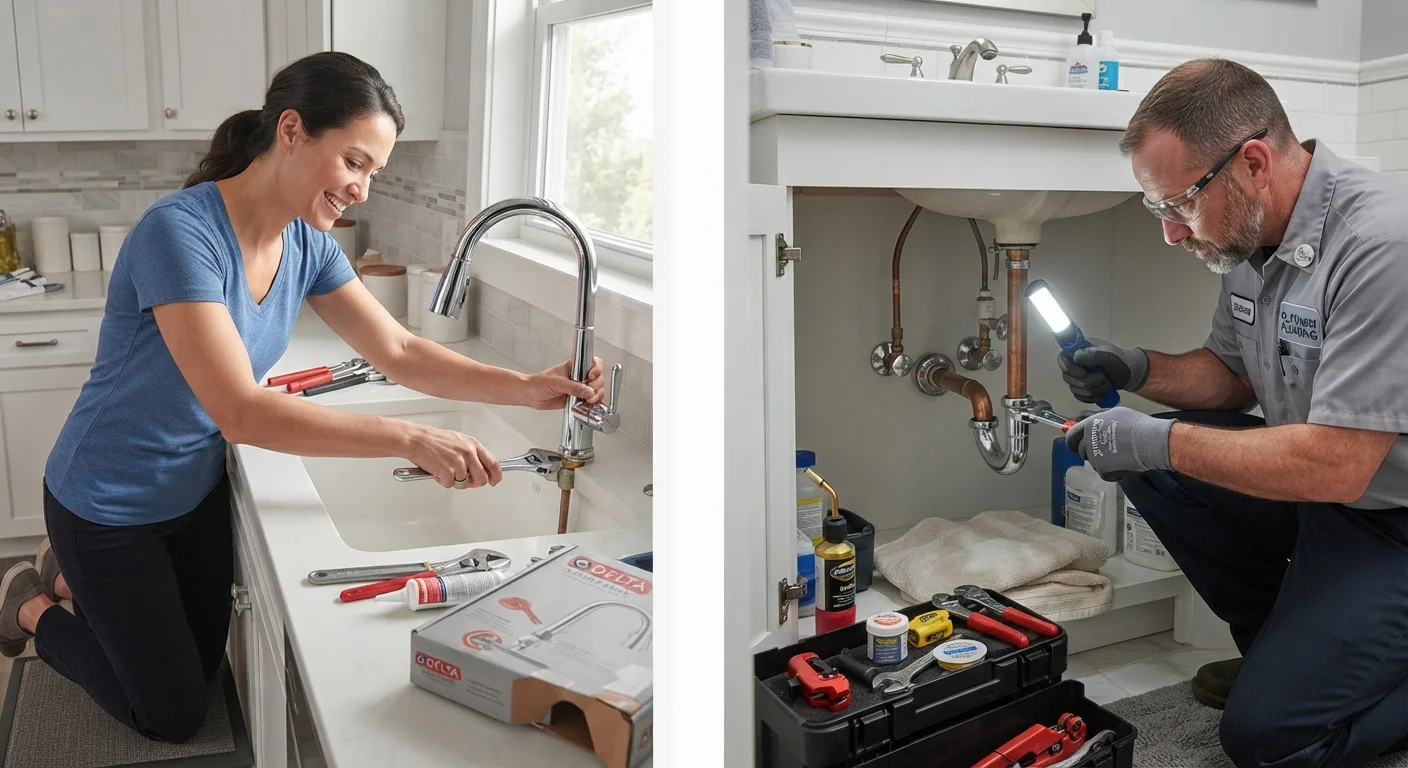
Photo credit: ArticlesHaven.net
In this article
Some plumbing fixes are genuinely DIY-friendly. Others risk water damage or code violations. Here's how to tell the difference.
Key Takeaways
- Surface-level repairs like faucet replacements and toilet flappers are generally safe for confident DIYers.
- Work touching main water lines, gas-adjacent plumbing, or drain-waste-vent systems typically requires a licensed plumber.
- Many jurisdictions require permits and licensed labor for new pipe runs, water heater installations, and sewer connections.
- Unpermitted plumbing work can complicate home sales and void homeowner's insurance claims.
- When in doubt, getting a professional assessment before starting saves more money than fixing DIY mistakes.
The DIY-Friendly Side of Home Plumbing
A fair amount of everyday plumbing maintenance genuinely falls within reach of a careful homeowner. The common thread: these tasks involve accessible fixtures, no permanent pipe modifications, and clear shutoff points that isolate the work area before a single wrench turns.
Faucet and showerhead replacement is one of the most widely handled DIY plumbing jobs. Shutting off the supply valves under the sink or at the showerhead, removing the old fixture, and installing a new one follows a predictable process that most homeowners can complete in under an hour.
Toilet repairs - replacing a flapper, adjusting the fill valve, or swapping a flush handle - are similarly low-stakes. The toilet tank works at ambient water pressure and has a dedicated shutoff valve. Parts are inexpensive and standardized.
Unclogging drains with a hand-operated drain snake or a safe enzymatic drain cleaner is appropriate for most everyday clogs in sinks, tubs, and showers. Avoid harsh chemical drain openers on older pipes; they can cause corrosion over time.
Replacing a P-trap (the curved pipe section under a sink) is another accessible job - the connections are typically hand-tightened slip-joint fittings and the parts are inexpensive. Similarly, replacing supply lines to a toilet or faucet (the braided flexible hoses) is a common DIY task as long as the main shutoff is working reliably.
~$1,000+
Median water damage claim cost
Water damage from plumbing failures is among the most common homeowner insurance claims, with costs varying widely based on extent and location.
~30%
Home inspection plumbing defects flagged
Industry estimates suggest plumbing deficiencies are among the most frequently noted issues in pre-sale home inspections, often tied to unpermitted or improper repairs.
Just as with DIY car maintenance, the key is knowing your limits before you start, not after you've disassembled something you can't reassemble.
When a Licensed Plumber Is the Right Call
Some plumbing tasks carry consequences far beyond the immediate fixture - water damage inside walls, code violations, or safety hazards that make professional licensing a genuine protection rather than just a regulatory formality.
| Criterion | DIY Plumbing | Licensed Plumber |
|---|---|---|
| Faucet/showerhead replacement | Yes - straightforward DIY | Not typically needed |
| Toilet flapper or fill valve | Yes - low-risk, inexpensive parts | Not typically needed |
| P-trap or supply line swap | Generally DIY-safe | Only if complications arise |
| Water heater installation | Not recommended | Required - permit usually needed |
| New pipe runs or DWV work | Not recommended | Required - code and permit apply |
| Sewer line repair | Not appropriate | Required - specialized equipment |
| Main shutoff valve replacement | Not recommended | Licensed plumber or utility required |
| Minor drain clog | Yes - snake or enzyme cleaner | Only for persistent or recurring clogs |
Water heater installation or replacement is a prime example. Most jurisdictions require a permit, and water heaters involve connections to supply lines, pressure relief valves, and - in gas models - combustion venting. Improper installation is a safety risk and can void the appliance warranty.
New pipe runs and drain-waste-vent (DWV) work require knowledge of slope requirements, venting codes, and material compatibility. A drain installed without proper slope or venting causes chronic backups and can allow sewer gases into the living space. This is work that typically requires both a permit and inspection.
Main shutoff valve replacement is another situation where a plumber is warranted. If the main shutoff to the house is failing, replacing it may require coordination with the water utility and work on the line before the meter - something homeowners generally cannot legally perform themselves.
Sewer line repairs or replacement fall firmly in professional territory. Symptoms like multiple fixtures backing up simultaneously, gurgling sounds across drains, or soft spots in the yard point to sewer line problems that require camera inspection and permitted repair work.
It's worth noting that unpermitted plumbing work can create real problems at resale time and may affect insurance claims if water damage results. The same principle applies to electrical work - the permit process exists to protect the homeowner, not just to generate fees.
Permits Vary by Location
What requires a permit in one municipality may not in another. Before starting any plumbing project beyond basic fixture maintenance, check with your local building department. Many offer free guidance by phone on whether a permit is required for a specific scope of work. Working without a required permit can create problems with insurance claims and real estate disclosures.
Gray Areas and How to Navigate Them
Some plumbing situations don't fit neatly into either column. A toilet replacement, for instance, is widely done by DIYers - but if the flange (the fitting at floor level) is cracked or corroded, you've moved into territory that may require cutting the subfloor and working with the drain line, which changes the risk profile significantly.
Similarly, replacing an under-sink garbage disposal is manageable if you're comfortable with basic electrical connections and the drain plumbing is in good shape. If the drain configuration is unusual or the electrical circuit needs upgrading, the job expands quickly.
A practical rule of thumb: if completing the task requires cutting or joining supply or drain pipes, working inside walls, or pulling a permit, default to a licensed plumber. If the task is fixture-level with clear shutoffs and no permanent changes to the pipe system, it's a reasonable DIY candidate.
When uncertain, a paid consultation with a licensed plumber - asking them to assess the job before you decide - is often worth the cost. It can confirm your plan is sound or reveal complications you hadn't anticipated. The same logic applies across home improvement decisions, from drywall repair to landscaping projects.
This article is for general informational purposes only and does not constitute professional plumbing, legal, or code compliance advice. Plumbing regulations and permit requirements vary by location. Always verify local code requirements and consult a licensed plumber for work that may affect the safety or structural integrity of your home.

Author
Articles Haven Editorial Contributor
Articles Haven Editorial Team is the collective byline for our editorial team and contributor network. Articles published under this byline or an editorial pen name are researched, written, and reviewed according to our editorial standards for clarity, consistency, and independence before publication.
View all articles →