
Hand Tools vs. Power Tools for Home Gardening Tasks
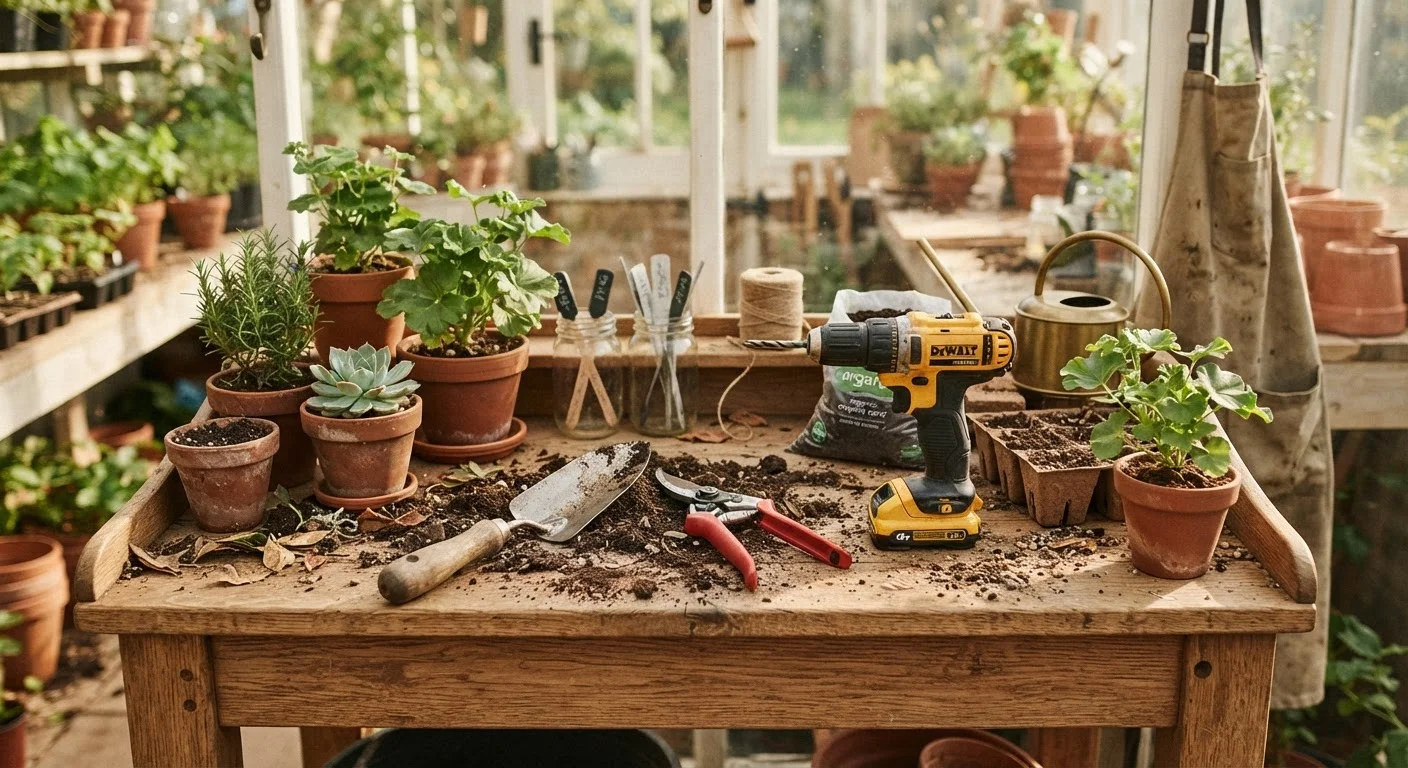
Photo credit: ArticlesHaven.net
In this article
Power tools save time on large jobs; hand tools offer control and quiet. A straightforward comparison to help you decide what's worth owning.
Key Takeaways
- Hand tools cost less upfront and give you precise control for delicate or small-scale tasks.
- Power tools save significant time and effort on high-volume jobs like tilling large beds or trimming long hedges.
- Noise, storage space, and maintenance requirements differ substantially between the two categories.
- Most home gardeners benefit from a mix of both rather than going all-in on one approach.
- Task type and garden size are the most reliable guides for deciding which tool category to reach for.
What You're Actually Comparing
The debate between hand tools and power tools in gardening isn't really about which is better - it's about matching the right tool to the job. Hand tools include your classic shovels, trowels, hand pruners, hoes, and rakes. Power tools cover electric or battery-powered options like rotary tillers, hedge trimmers, leaf blowers, and string trimmers (also called weed eaters or weed whackers in the US).
Both categories have evolved considerably. Cordless battery technology has made power tools more accessible to home gardeners, while ergonomic improvements to hand tools have reduced strain. Still, the core trade-offs - cost, noise, control, and convenience - hold up. See how they stack up across key criteria below.
| Hand Tools | Power Tools | |
|---|---|---|
| Upfront Cost | Low ($10-$60 per piece) | Moderate to high ($80-$300+) |
| Precision & Control | High - tactile feedback | Lower - less nuanced feel |
| Speed on Large Tasks | Slow to moderate | Significantly faster |
| Noise Level | Near-silent | Moderate to loud |
| Physical Effort Required | Higher | Lower |
| Maintenance Complexity | Simple (clean, sharpen, store dry) | More involved (batteries, motors, fuel) |
| Storage Requirements | Minimal - wall rack or shed corner | More space, ventilation needed |
| Best Fit | Small plots, detail work, weeding | Large areas, heavy clearing, trimming |
Where Hand Tools Have the Edge
Hand tools are quieter, cheaper to buy, and easier to store. For tasks that require precision - transplanting seedlings, weeding between crowded rows, or pruning stems close to a plant's crown - a hand tool gives you tactile feedback that a power tool simply can't replicate. You feel resistance; you adjust naturally.
They also require minimal maintenance. Keep blades clean and sharp, store them dry, and most quality hand tools last decades. Our guide to garden tool maintenance covers a straightforward routine for extending the life of shovels, pruners, and similar equipment.
Start With a Sharp Edge
Whether you choose hand or power tools, a sharp blade does the work - a dull one makes you do it. Invest in a quality sharpening file or whetstone for hand tools and keep blades clean between uses. Sharp pruners make clean cuts that heal faster, which is better for your plants.
Hand tools also have no fuel costs, no batteries to replace, and no cords to manage - worth noting if you're working across a large, uneven yard where power access is awkward.
Where Power Tools Pull Ahead
For larger gardens or physically demanding tasks, power tools reduce both time and fatigue substantially. Tilling a 400-square-foot vegetable bed with a hand cultivator is possible - it's also exhausting. A gas or electric tiller covers the same ground in a fraction of the time with far less strain.
Hedge trimming, large-scale leaf cleanup, and mowing grass paths between beds are other areas where power tools are clearly more practical. The physical benefit is also relevant for gardeners managing joint pain or reduced grip strength - a powered pruner or trimmer can make gardening accessible where hand tools might not be.
~35%
US adults who garden regularly
According to the National Gardening Association, roughly one in three American adults participates in some form of home gardening.
50%+
Time saved with power tiller vs. hand tilling
Industry estimates suggest powered tillers can reduce soil preparation time by half or more compared to manual cultivation on larger garden beds.
If you're deciding how much of your outdoor work to handle yourself versus calling in help, the DIY landscaping decision guide offers a useful framework for drawing that line sensibly.
Power Tools Require Proper Safety Precautions
Always wear eye protection and closed-toe shoes when operating electric or gas-powered garden tools. String trimmers and tillers can throw debris at high speed. Read the manufacturer's safety instructions before first use, and never operate power tools in wet conditions unless the tool is specifically rated for it.
Cost, Storage, and Maintenance Realities
Hand tools typically cost between $10 and $60 per piece for quality options. A functional starter set - trowel, hand fork, pruners, hoe, and rake - can be assembled for under $150. Power tools carry higher upfront costs. A cordless string trimmer or hedge trimmer often runs $80-$200+, and a tiller can run several hundred dollars.
Beyond purchase price, power tools require ongoing attention: battery replacement every few years, motor servicing, and winter storage protocols. For a deeper look at the corded-versus-cordless dimension specifically, this comparison of corded vs. cordless power tools is worth a read before you buy.
Storage is another practical consideration. A pegboard or wall-mounted rack handles hand tools easily. Power tools - especially gas-powered ones - need dry, ventilated storage and seasonal maintenance. Factor this in if space is limited.
Building a Practical Tool Kit
For most home gardeners, the answer isn't choosing one category exclusively. A reasonable approach: start with a complete set of hand tools for everyday tasks, then add power tools selectively for high-volume or physically demanding jobs. This keeps costs manageable while covering your actual needs.
Think about the tasks you do most often. If you spend 30 minutes a week weeding a raised bed, a hand tool handles that efficiently. If you're managing a half-acre property with tall hedges and overgrown edges, a cordless trimmer earns its place quickly. Your garden's scale and your own physical comfort should drive the decision more than any general rule.
Just as your watering system choice depends on garden layout and plant type - see our drip irrigation vs. sprinkler systems comparison for that decision - your tool choices benefit from honest self-assessment over brand marketing.

Author
Articles Haven Editorial Contributor
Articles Haven Editorial Team is the collective byline for our editorial team and contributor network. Articles published under this byline or an editorial pen name are researched, written, and reviewed according to our editorial standards for clarity, consistency, and independence before publication.
View all articles →