
Home Improvement on a Budget: How to Prioritize Projects That Matter Most
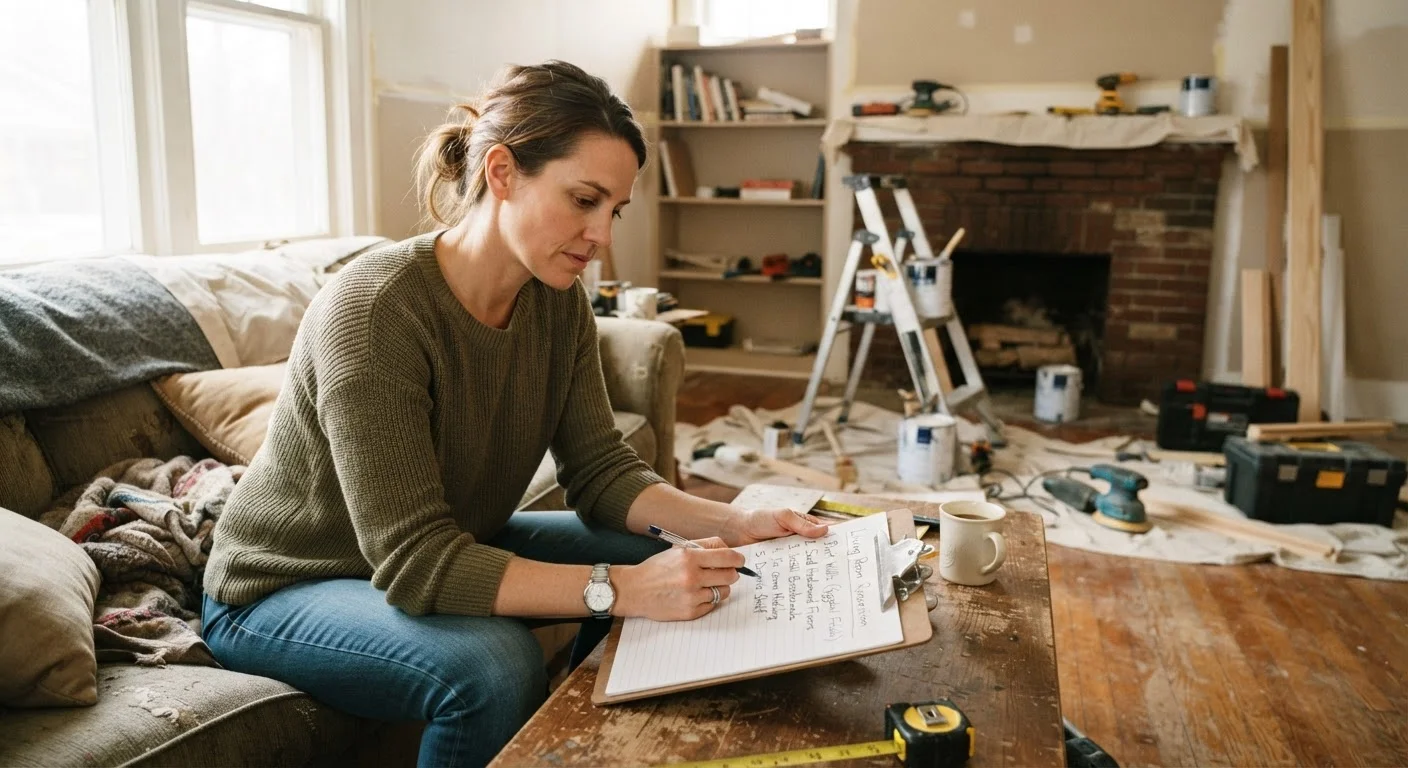
Photo credit: ArticlesHaven.net
In this article
When funds are limited, project sequencing matters. Learn how to evaluate urgency, safety, and impact when deciding what to tackle first.
Key Takeaways
- Safety and structural issues should always come before cosmetic upgrades, regardless of budget.
- Projects that prevent future damage typically deliver better value than aesthetic improvements.
- Knowing which jobs require licensed professionals protects you legally and physically.
- A simple scoring system helps remove emotion from prioritization decisions.
- Small, high-impact changes can run parallel to larger projects without derailing your budget.
Why Project Sequencing Is the Real Skill
Most homeowners don't run out of project ideas - they run out of money before finishing what matters. The gap between wanting to improve your home and doing it effectively comes down to sequencing: deciding which projects to tackle in which order, with limited funds and time.
Poor sequencing has a compounding cost. Spending on a kitchen refresh while a slow roof leak quietly rots structural sheathing is a common mistake. By the time the leak becomes obvious, the repair is significantly more expensive than it would have been caught early. Phasing renovation work thoughtfully applies whether you're doing a multi-room project or just managing a list of deferred maintenance items.
The framework below gives you a repeatable process for making these calls - and for separating emotional wish-list items from genuine needs.
Home inspection report or personal walkthrough notes
Documents existing problems so you have a complete starting inventory of needs.
Spreadsheet or notebook
Used to score and rank projects using urgency, damage prevention, and cost-impact criteria.
Cost estimate references (contractor quotes or published cost guides)
Provides realistic budget anchors so you can sequence projects within actual financial limits.
Local building department contact information
Allows you to verify which projects require permits before committing to any scope of work.
How to Prioritize: A Step-by-Step Process
What you will need
Conduct a Full Home Walkthrough and Document Everything
Before prioritizing anything, you need a complete inventory. Walk every room, the basement, attic, garage, and exterior. Write down every visible problem - water stains, soft flooring, cracked caulking, HVAC age, peeling paint, drafty windows, and anything that seems out of place. Photograph as you go.
Don't try to sort or rank during this step. The goal is a raw, honest list.
Separate Issues by Category: Safety, Structural, Functional, Cosmetic
Group your list into four buckets:
- Safety: Electrical hazards, gas concerns, fire risks, lead or asbestos in pre-1980s homes, carbon monoxide sources.
- Structural: Foundation cracks, roof deterioration, load-bearing wall damage, persistent water intrusion.
- Functional: HVAC that underperforms, plumbing that leaks or drains slowly, insulation gaps causing high energy bills.
- Cosmetic: Dated finishes, worn paint, scuffed flooring that is otherwise sound.
This hierarchy is not arbitrary - insurance companies and lenders also view these categories differently. Projects in the first two buckets protect your home's value and safety; the last two are quality-of-life improvements.
Score Each Project on Urgency, Damage Prevention, and Cost-to-Impact
Apply a simple 1-5 score to each item across three dimensions: how urgently it needs attention, how much further damage it will prevent if fixed now, and how strong the cost-to-impact ratio is. Add the scores. High-scoring projects go to the top of your list.
A leaking roof that causes interior water damage scores high on all three. Repainting a bedroom walls scores low across the board.
[tip_callout]Determine Which Projects Require Licensed Professionals
Some work is genuinely DIY-appropriate - painting, basic landscaping, tile replacement in low-risk areas, weatherstripping. Other work carries safety, code, or liability implications that put it firmly in professional territory.
Electrical panel upgrades, new circuits, structural modifications, gas line work, and major plumbing connections typically require a licensed contractor and inspections. Attempting these without proper credentials can void your homeowner's insurance and create problems at resale. See our guide to DIY vs. hiring a contractor for a practical breakdown of that decision. For electrical work specifically, this overview of projects that require a licensed electrician outlines the common code requirements.
Build a Phased Plan Matched to Your Actual Budget
Once you have a ranked list and know which projects need professionals, map your top five against your available budget. If the top-priority item exceeds current funds, get quotes anyway - knowing the real cost helps you set a realistic savings target.
Parallel smaller projects often fit alongside larger ones. Weatherstripping and attic air sealing, for example, can run at low cost while you save toward a larger HVAC replacement. See what energy-efficient upgrades realistically deliver before committing to those line items.
Also build a contingency buffer - typically 10-20% of your project budget - for unexpected findings. Common renovation myths often include the belief that contingency funds aren't necessary on smaller jobs. They are.
Never Delay Safety-Critical Repairs
Electrical faults, gas leaks, structural instability, and water intrusion are not items to defer until budget improves. These issues can escalate quickly into hazards or cause severe secondary damage. If you identify any of these problems during your assessment, contact a licensed professional before investing money elsewhere.
Permits Are Not Optional on Regulated Work
Electrical panel work, structural changes, plumbing tie-ins, and HVAC installations commonly require permits in most US jurisdictions. Skipping permits can void homeowner's insurance, create liability during resale, and result in costly correction orders. Always verify local requirements with your municipality before starting any regulated project.
What to Do With the Lower-Priority Items
Projects that score low on urgency don't disappear - they move to a watch list. Revisit the list every six months, or after any significant weather event or system failure. Cosmetic improvements like high-impact low-cost organization changes can meaningfully improve livability without competing for repair budget.
Before signing any contract for higher-priority work, make sure the scope is fully documented. What belongs in a home improvement contract is worth reviewing before any licensed work begins. Similarly, timeline expectations are frequently underestimated - understanding why renovation schedules slip can help you plan around delays rather than be blindsided by them.
Staying organized and realistic about sequencing is itself a money-saving discipline. The homeowners who get the most value from limited budgets are usually not the ones who spend the least - they're the ones who spend in the right order.

Author
Articles Haven Editorial Contributor
Articles Haven Editorial Team is the collective byline for our editorial team and contributor network. Articles published under this byline or an editorial pen name are researched, written, and reviewed according to our editorial standards for clarity, consistency, and independence before publication.
View all articles →