
Breathwork Basics: What Controlled Breathing Is and What It May Help With
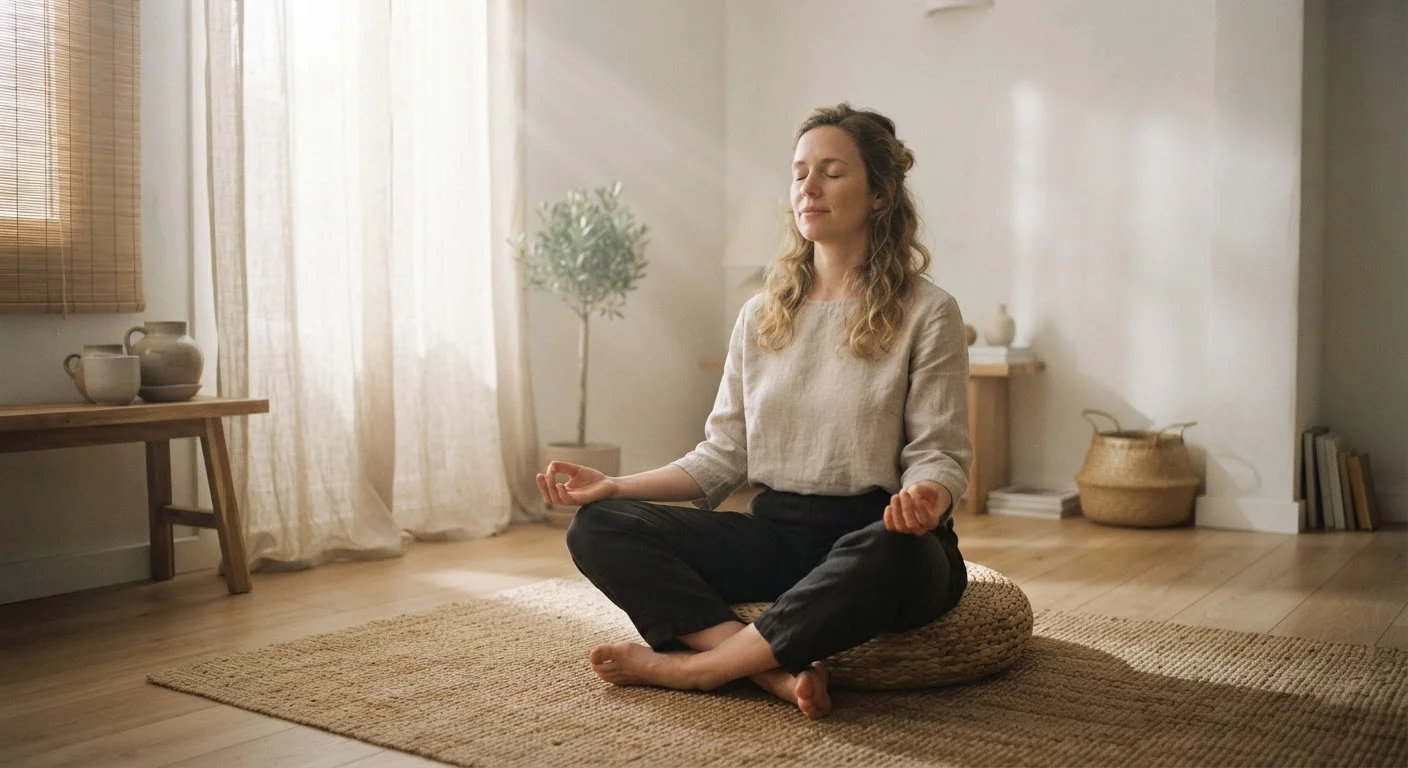
Photo credit: ArticlesHaven.net
In this article
A grounded introduction to breathwork practices, what the science suggests, and reasonable expectations.
Key Takeaways
- Breathwork refers to intentional control of breathing rate, depth, and rhythm.
- Research suggests it may help reduce stress and improve short-term anxiety, though evidence varies by technique.
- Most breathwork practices are low-risk for healthy adults but carry specific cautions for some conditions.
- No breathing technique replaces medical treatment for diagnosed health conditions.
- Starting simple - even a few minutes a day - is typically more effective than elaborate routines.
What Is Breathwork?
Breathwork is a broad term for practices that involve deliberately changing how you breathe - adjusting the pace, depth, or pattern of your breath with a specific intention in mind. Unlike ordinary breathing, which happens automatically, breathwork asks you to bring conscious attention to a process your body usually handles on its own.
The term covers a wide range of approaches, from simple diaphragmatic breathing exercises to more structured techniques rooted in yoga traditions, clinical stress management, and newer wellness practices. Not all of them are equivalent - they differ in method, intensity, and the evidence supporting them.
If you're already exploring relaxation or stress-management practices, breathwork often intersects with related approaches. For a useful orientation to how these practices compare, see our overview of mindfulness, meditation, and relaxation - the distinctions matter when deciding what to try.
Breathwork
Any practice involving deliberate, intentional control of your breathing pattern, rate, or depth for a specific purpose such as stress reduction or relaxation.
Diaphragmatic breathing
A breathing technique where you engage the diaphragm (the dome-shaped muscle below the lungs) so the belly expands on each inhale rather than the chest. Often called belly breathing.
Parasympathetic nervous system
The part of the nervous system that promotes rest, recovery, and digestion - the counterpart to the "fight or flight" stress response. Slow breathing tends to activate it.
Heart rate variability (HRV)
The natural variation in time between heartbeats. Higher variability is generally associated with better stress resilience and is often used as a measure in breathwork research.
Hyperventilation
Breathing too rapidly or deeply, which lowers carbon dioxide levels in the blood and can cause lightheadedness, tingling, or fainting. Some breathwork techniques intentionally use this; most beginner practices avoid it.
How Controlled Breathing Affects the Body
Breathing is one of the few automatic body functions you can also control voluntarily, and that dual nature is central to why breathwork gets attention. When you deliberately slow your breathing rate, you activate the parasympathetic nervous system - sometimes called the "rest and digest" system - which counters the stress response.
Specifically, slow, rhythmic breathing tends to increase heart rate variability (HRV), a marker of how flexibly your heart adjusts to demands. Higher HRV is generally associated with better stress resilience, though the relationship is complex and not fully settled in research.
Controlled breathing also affects carbon dioxide and oxygen balance in the blood. Rapid or shallow breathing can cause a temporary drop in carbon dioxide, which may produce lightheadedness - a reason some techniques require guidance. Slower, fuller breaths typically have the opposite effect, promoting a sense of calm.
Breathing and the nervous system: a two-way relationship
The connection between breath and the nervous system runs in both directions. Stress naturally makes breathing faster and shallower; intentionally slowing your breath can interrupt that cycle. This is the core mechanism most breathwork practices are trying to leverage, and it's why even a few slow, deliberate breaths can produce a noticeable shift in how you feel.
Common Breathwork Techniques
Several techniques appear consistently in both clinical research and wellness contexts. Here's a plain-language summary of the most common ones:
- Diaphragmatic breathing (belly breathing): Breathing slowly and deeply so the abdomen, not the chest, rises. Often recommended as a starting point for stress reduction.
- Box breathing (4-4-4-4): Inhale for four counts, hold for four, exhale for four, hold for four. Used in clinical and military stress-management programs.
- 4-7-8 breathing: Inhale for four counts, hold for seven, exhale for eight. Promoted for relaxation, though rigorous research is limited.
- Alternate nostril breathing: A technique from yoga traditions involving alternating which nostril you breathe through. Some evidence suggests a modest effect on blood pressure and calm.
- Extended exhale breathing: Making the exhale longer than the inhale (e.g., inhale for four, exhale for six). The extended exhale is thought to engage the parasympathetic system more directly.
More intensive techniques - such as those involving deliberate hyperventilation - carry greater risk and require proper instruction before attempting.
Start with what feels comfortable
If counting specific breath intervals feels awkward at first, simply focus on making your exhale slightly longer than your inhale - no counting required. This alone engages the relaxation response for most people. Add structure gradually as the practice becomes familiar.
What the Evidence Suggests - and What It Doesn't Prove
Research on breathwork has grown substantially in recent years, and some findings are reasonably consistent: slow-paced breathing practices appear to reduce self-reported stress, lower blood pressure modestly in some populations, and reduce short-term anxiety in controlled settings.
That said, the quality and size of studies vary widely. Many trials are small, short-term, or lack rigorous controls. Claims about breathwork "curing" conditions or producing dramatic physiological changes should be treated with skepticism. The honest summary is: controlled breathing appears to be a useful, low-cost tool for managing stress and improving momentary calm - not a medical treatment.
Breathwork works best as part of a broader approach to well-being. If anxiety or stress is significantly affecting your life, practices like cognitive behavioral therapy have a substantially deeper evidence base and should be discussed with a qualified professional.
Certain conditions require extra caution
People with cardiovascular disease, epilepsy, respiratory conditions such as asthma or COPD, or a history of trauma or panic disorders should consult a healthcare provider before trying breathwork - especially any technique involving breath-holding or rapid breathing. Some intensive techniques can trigger lightheadedness, elevated heart rate, or emotional distress in people with particular vulnerabilities.
How to Get Started Safely
The practical barrier to trying breathwork is low. You don't need equipment, a studio membership, or prior experience. A few guidelines help you start sensibly:
- Begin with diaphragmatic breathing. Sit or lie comfortably, place one hand on your belly, and breathe slowly so that hand rises on the inhale. Five to ten minutes is enough to start.
- Keep sessions short initially. Even three to five minutes of deliberate slow breathing can produce measurable changes in how you feel. Longer isn't automatically better.
- Stop if you feel dizzy or distressed. Lightheadedness during breathwork is usually harmless but is a signal to breathe normally and rest. If it persists, consult a doctor.
- Be consistent rather than intense. Like most health habits, daily practice - even brief - tends to yield more than occasional long sessions.
For those interested in combining breathwork with other calming habits, our article on grounding techniques for moments of overwhelm covers complementary approaches that pair well with breath-focused practice. If you're newer to structured wellness habits overall, starting a mindfulness practice from scratch is a useful companion read.
National Center for Complementary and Integrative Health (NCCIH)
The NCCIH publishes evidence summaries on relaxation techniques including breathing exercises, helping readers understand what research does and doesn't support.
Anxiety & Depression Association of America (ADAA)
The ADAA provides accessible resources on managing stress and anxiety, including information on where breathing techniques fit alongside evidence-based treatments.
This article is for general informational and educational purposes only and is not medical advice. Breathwork is not a substitute for professional medical or mental health treatment. If you have any health conditions or concerns, consult a qualified healthcare professional before starting a breathwork practice.
Frequently Asked Questions

Author
Articles Haven Editorial Contributor
Articles Haven Editorial Team is the collective byline for our editorial team and contributor network. Articles published under this byline or an editorial pen name are researched, written, and reviewed according to our editorial standards for clarity, consistency, and independence before publication.
View all articles →