
Alaska Travel: What to Expect Across Its Distinct Regions
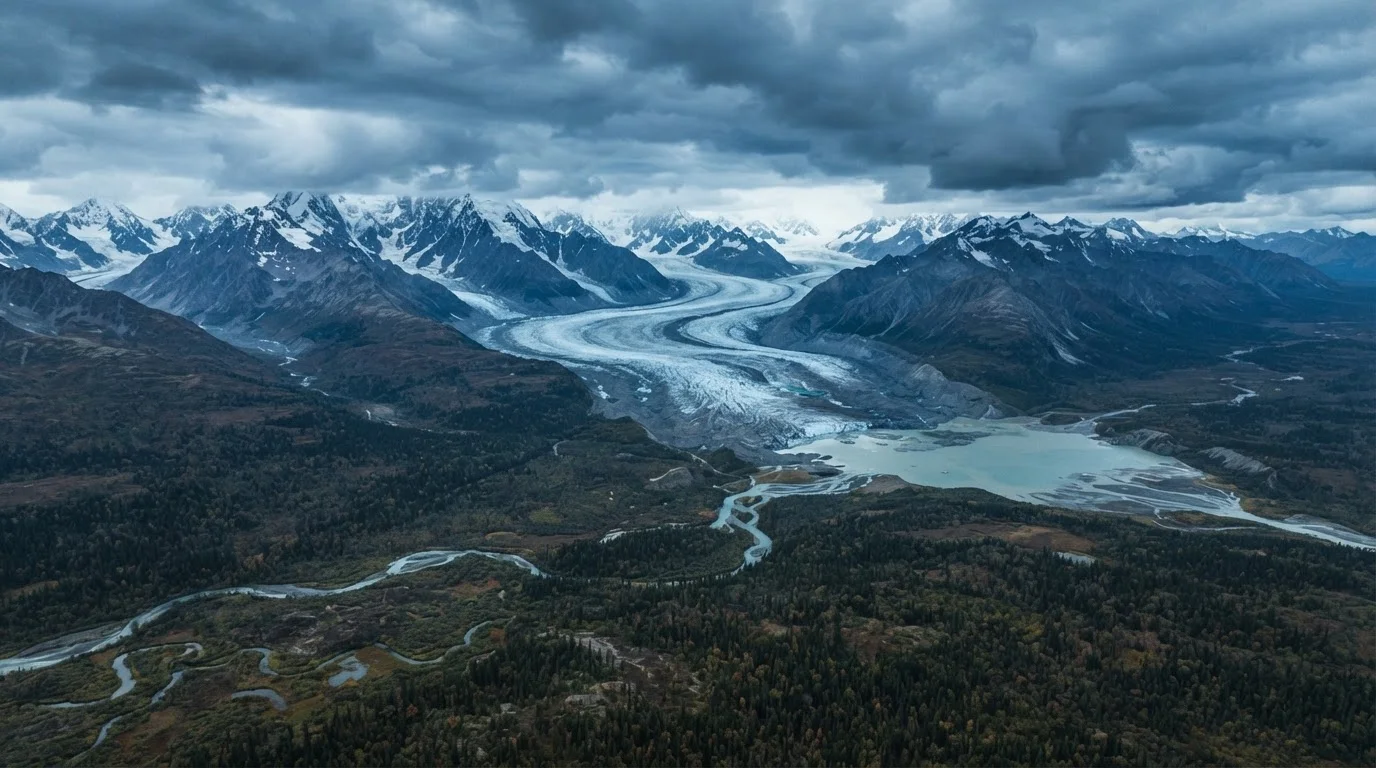
Photo credit: ArticlesHaven.net
In this article
Interior, Southeast, Southwest, and the Kenai Peninsula each offer radically different Alaska experiences. Here's how they compare.
Why Alaska's Regions Require Separate Planning
Alaska is the largest US state by a wide margin - roughly one-fifth the size of the entire contiguous US - yet most of it has no road access at all. That fact alone shapes every decision a traveler makes. The region you visit determines not just what you'll see, but how you'll get there, what you'll spend, and what time of year actually works.
This isn't like choosing between cities. Southeast Alaska feels nothing like the Interior, and Southwest Alaska operates on a completely different logistical and ecological level than the Kenai Peninsula. Treating Alaska as one destination leads to mismatched expectations. Thinking in regions leads to better trips.
If you've already compared island-based travel elsewhere - say, matching Hawaiian islands to a travel style - the same mindset applies here, just at a much larger scale and with more extreme conditions.
| Total land area | 663,268 sq miles (US Census Bureau) |
| Peak tourism season | June - August (Alaska Travel Industry Association) |
| Most road-accessible region | Southcentral / Kenai Peninsula |
| Most remote (fly-in only) region | Southwest Alaska |
| Northern lights best viewing | Fairbanks area, Sept-March (Geophysical Institute, UAF) |
| Ferry system coverage | Southeast & Southcentral coasts (Alaska Marine Highway System) |
The Four Key Regions Compared
Southeast Alaska (The Panhandle)
This narrow coastal strip - home to Juneau, Ketchikan, and Sitka - is the most accessible part of Alaska for most US travelers. Cruise ships and the Alaska Marine Highway ferry system make it reachable without flying into remote airstrips. The landscape is temperate rainforest: lush, green, and frequently wet. Expect significant rainfall year-round, with summer being the most practical window for most visitors. Glacier trekking, whale watching, and Indigenous cultural heritage are the main draws. It's the most tourism-infrastructure-developed region, which moderates cost somewhat but also means more crowds during peak season (roughly June-August).
Southcentral / Kenai Peninsula
Anchorage sits at the gateway to this region, making it the most road-accessible part of the state. The Kenai Peninsula offers a concentrated version of Alaska's appeal - glaciers, wildlife, salmon fishing, and scenic fjords - all reachable by car or short flight from Anchorage. Seward and Homer are the primary town bases. This region suits travelers who want a broad Alaska experience with relatively predictable logistics. It's also where trip costs are easiest to control, since driving reduces reliance on small-plane charters. See how coastal vs. inland destinations compare if you're weighing the fjord experience against more interior-focused trips.
The Interior
Fairbanks anchors this region, and it represents a distinctly different Alaska - boreal forest, wide river valleys, and extreme seasonal temperature swings (from -40°F winters to 90°F summer days). The primary draws are Denali National Park, the northern lights (best viewed September-March), and the Midnight Sun in summer. Road access via the Parks Highway makes it manageable, but services thin out quickly once you leave the highway corridor. Budget-conscious travelers who do their homework can find this region more affordable than coastal Alaska, particularly outside peak summer weeks.
Southwest Alaska
This is the most logistically demanding and expensive region. Katmai National Park (known for brown bears fishing at Brooks Falls), Lake Clark, and the Aleutian Islands require fly-in access from Anchorage. There are no roads connecting to these areas. Wildlife viewing here - particularly bears - is world-class and genuinely unlike anything in the lower 48. But costs for small-plane charters and guided wilderness camps can be substantial. This region rewards travelers with very specific goals and flexible budgets.
Bush Alaska
Areas of Alaska with no road or ferry access, reachable only by small aircraft or boat. Travel costs and logistical complexity are significantly higher in bush regions.
Alaska Marine Highway
A state-operated ferry system connecting coastal communities in Southeast and Southcentral Alaska. It functions as public transit for many residents and a scenic travel option for visitors.
Midnight Sun
A seasonal phenomenon in which the sun remains above the horizon for 24 hours, occurring near the summer solstice in regions above the Arctic Circle and visible for extended hours across much of Interior and Northern Alaska.
Boreal Forest (Taiga)
The vast subarctic forest ecosystem dominant across Interior Alaska, characterized by spruce, birch, and aspen trees, and extreme seasonal temperature variation.
Season, Budget, and Logistics: What Actually Decides Your Trip
Season is the single biggest variable. Most of Alaska's tourism infrastructure operates May through September. Outside that window, access contracts sharply - some lodges close entirely, ferry schedules reduce, and weather becomes a genuine safety consideration rather than just a comfort issue.
Budget planning differs significantly by region. Southeast and Kenai Peninsula trips can be structured at mid-range budgets if you plan early and rely on ferries or driving. Interior trips via Fairbanks can be comparably priced. Southwest is almost always premium-tier due to fly-in logistics.
3M+
Visitors to Alaska annually
According to the Alaska Department of Commerce, Community, and Economic Development.
~75%
Visitors who arrive by cruise ship
A significant portion of Alaska's annual visitors access the state via Southeast Alaska cruise routes, per industry estimates.
Over 100
Remote communities with no road access
Much of rural Alaska is accessible only by air or water, shaping logistics and cost for wilderness-focused travelers.
Travelers comparing Alaska to other large-scale wilderness destinations - the Pacific Northwest, Patagonia, or even regions like the Pacific Northwest's varied sub-regions - often underestimate how much transportation eats into the budget in Alaska specifically.
Whatever region you choose, verify current conditions, entry requirements for any federal lands, and weather windows with official sources before booking. National Park Service sites and the Alaska Travel Industry Association provide region-specific planning information. Always purchase travel insurance for Alaska trips - flight cancellations due to weather are common, especially in bush Alaska.
This article provides general travel information for planning purposes only. Conditions, prices, access, and safety considerations can change. Always verify details with official government and provider sources before traveling.

Author
Articles Haven Editorial Contributor
Articles Haven Editorial Team is the collective byline for our editorial team and contributor network. Articles published under this byline or an editorial pen name are researched, written, and reviewed according to our editorial standards for clarity, consistency, and independence before publication.
View all articles →