
Alcohol and Sleep: Understanding a Complicated Relationship
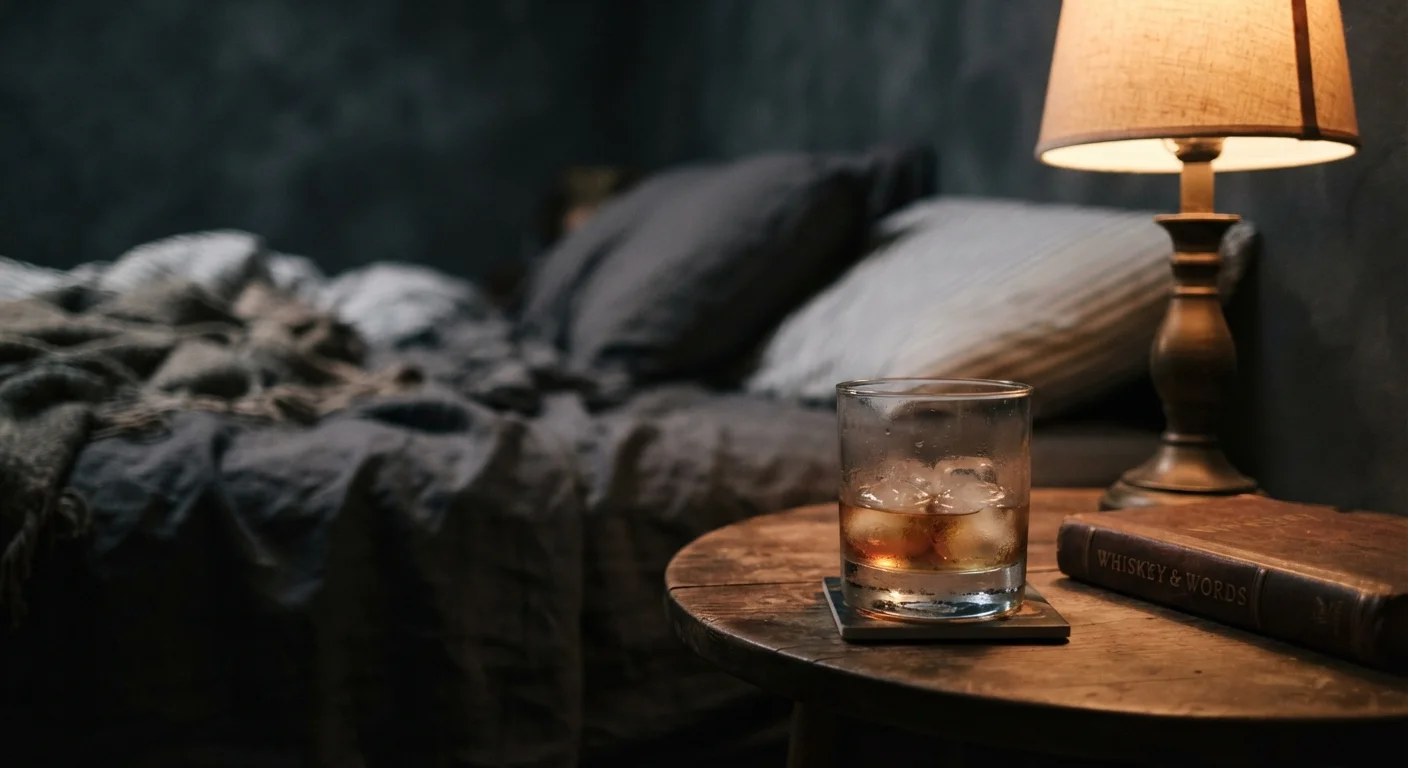
Photo credit: ArticlesHaven.net
In this article
Why alcohol may seem to help you fall asleep while actually disrupting the restorative stages of rest.
Key Takeaways
- Alcohol may help you fall asleep faster but typically reduces overall sleep quality.
- REM sleep - essential for memory and emotional processing - is particularly disrupted by alcohol.
- The sleep-disrupting effects often occur in the second half of the night as alcohol is metabolized.
- Regular alcohol use near bedtime can contribute to chronic sleep problems over time.
- This article provides general health information only - consult a healthcare professional for personal guidance.
Why Alcohol Feels Like It Works
Many people reach for a drink to wind down at the end of the day - a glass of wine, a nightcap - and it genuinely can make falling asleep feel easier. That's not imaginary. Alcohol has real sedative properties: it acts on receptors in the brain in ways that slow neural activity and produce feelings of relaxation and drowsiness.
The problem is that feeling drowsy and getting restorative sleep are not the same thing. Alcohol essentially borrows from later sleep quality to deliver faster sleep onset at the start of the night. That trade-off matters - and most people don't realize it's happening.
“Alcohol is not a sleep aid. It is a sedative. Sedation is not sleep - it merely mimics some of the outward signs of sleep while actively undermining the brain processes that make sleep restorative.”
— Matthew Walker, Neuroscientist and sleep researcher, author of 'Why We Sleep'
Understanding why alcohol affects sleep the way it does requires a quick look at how sleep normally works.
How Alcohol Disrupts Sleep Architecture
Healthy sleep is not a single continuous state. It cycles through distinct stages - lighter non-REM sleep, deeper slow-wave sleep, and REM sleep - with each stage serving different restorative functions. REM sleep, in particular, plays a central role in memory consolidation, emotional processing, and cognitive recovery.
Alcohol tends to suppress REM sleep, especially in the first half of the night. Early in the sleep period, it may increase slow-wave (deep) sleep - which can feel restorative - but this comes at the expense of REM. As the body metabolizes alcohol through the night, a rebound effect occurs: brain activity increases, sleep becomes lighter and more fragmented, and REM pressure builds in ways that can cause vivid dreams, restlessness, or early waking.
~25%
Reduction in REM sleep after moderate alcohol intake
Research published in sleep science literature generally estimates that moderate alcohol consumption before bed can reduce REM sleep by roughly 20-25% in the first half of the night.
~20%
Adults who use alcohol to help them sleep
Surveys by organizations including the American Academy of Sleep Medicine have found that roughly one in five adults report using alcohol as a sleep aid at some point.
2-4 hrs
Suggested gap between drinking and bedtime
General sleep health guidance commonly recommends allowing at least this window for metabolism, though individual factors affect the actual impact.
The net result is a night that may look like eight hours but feels like far less. This disruption can affect next-day mood, concentration, and reaction time in measurable ways.
For more on why sleep quality matters beyond just hours logged, see our overview of sleep as a foundational health pillar.
The Pattern Over Time
Occasional alcohol use near bedtime is one thing. A consistent nightly habit is another. Tolerance to alcohol's sedative effects builds relatively quickly, which means the falling-asleep benefit tends to fade while the sleep-disrupting effects persist or worsen.
Research in sleep medicine has associated regular alcohol use close to bedtime with increased risk of insomnia, greater nighttime awakenings, and reduced overall sleep efficiency. Some individuals also experience worsening snoring or sleep apnea symptoms after drinking, since alcohol relaxes throat muscles.
Consider an Earlier Cutoff Time
If you choose to drink, having your last drink earlier in the evening - rather than right before bed - gives your body more time to process the alcohol before you fall asleep. This won't eliminate all effects, but timing is one of the more controllable variables. Track how you feel the next morning at different intervals to get a sense of what works for your body.
It's also worth noting that poor sleep and alcohol use can become mutually reinforcing: disrupted sleep increases stress and fatigue, which can drive the urge to drink as a coping mechanism - perpetuating the cycle. This connects to broader patterns explored in our article on sleep and mental health.
Practical Considerations for Better Sleep
If you drink alcohol and are concerned about sleep quality, a few general principles are worth knowing - though none of these replace personalized advice from a healthcare provider.
- Timing matters: Consuming alcohol earlier in the evening gives the body more time to metabolize it before sleep.
- Quantity matters: The effects on sleep appear dose-related - more alcohol generally causes greater disruption.
- Alcohol is a poor long-term sleep strategy: If you rely on it to fall asleep regularly, that pattern is worth discussing with a doctor.
There are many other factors - screen exposure, consistent sleep timing, caffeine intake - that influence sleep quality alongside alcohol. Compare how different habits stack up by reading about how evening screen use affects sleep or exploring evidence-informed approaches to building a better sleep routine.
This article is for general informational purposes only and does not constitute medical advice. If you have concerns about alcohol use, sleep disorders, or related health issues, please consult a qualified healthcare professional.
Frequently Asked Questions

Author
Articles Haven Editorial Contributor
Articles Haven Editorial Team is the collective byline for our editorial team and contributor network. Articles published under this byline or an editorial pen name are researched, written, and reviewed according to our editorial standards for clarity, consistency, and independence before publication.
View all articles →