
Container Gardening: Growing More in Less Space
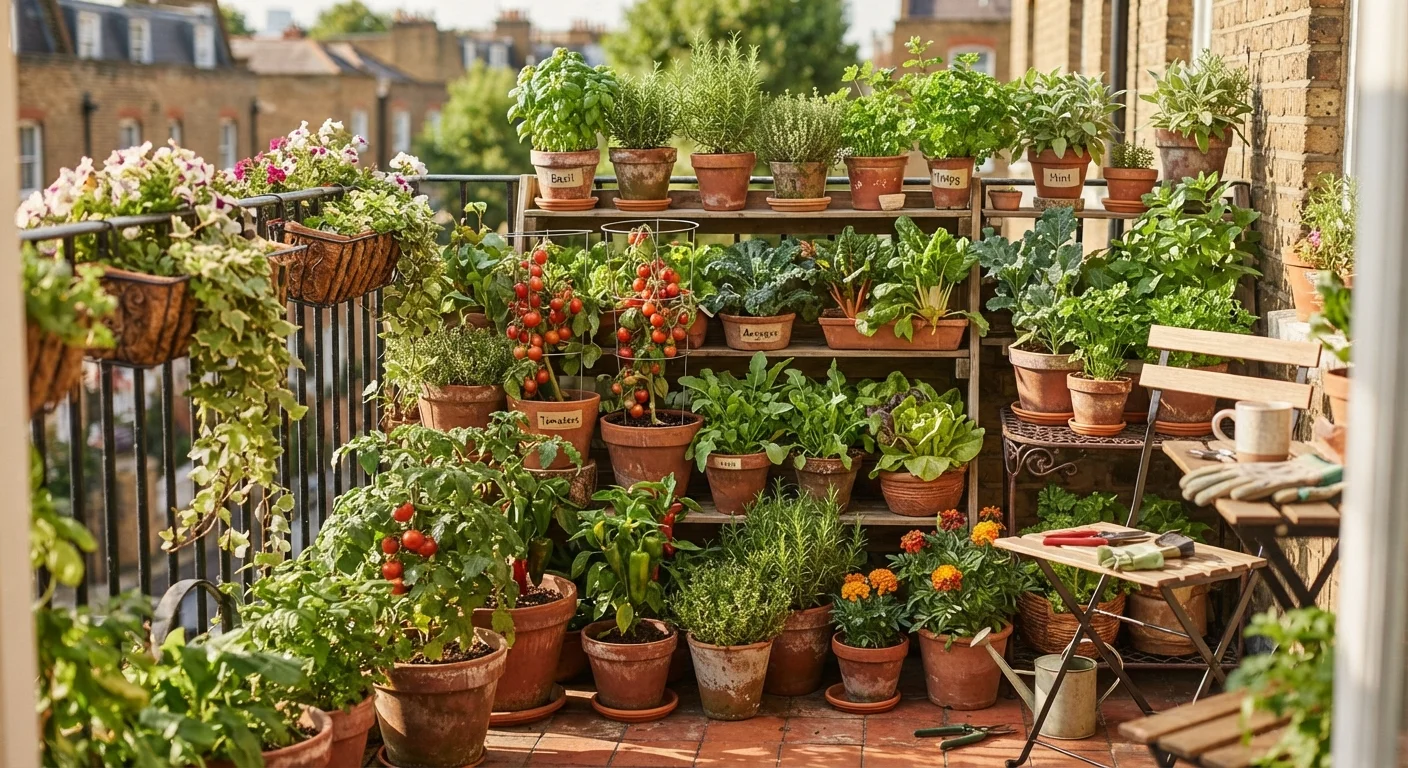
Photo credit: ArticlesHaven.net
In this article
From balconies to small backyards, container gardening opens up growing possibilities. Learn soil mixes, pot sizing, drainage, and plant selection.
Key Takeaways
- Container size directly affects root development, yield, and how often you need to water.
- Potting mix - not garden soil - is essential for healthy drainage and aeration in containers.
- Most vegetables, herbs, and compact fruits can thrive in containers with the right setup.
- Containers dry out faster than in-ground beds and typically need more frequent feeding.
- Drainage holes are non-negotiable; standing water is the leading cause of container plant failure.
Why Container Gardening Works
Container gardening isn't just a workaround for people without yards - it's a genuinely flexible growing system that gives you control over soil quality, placement, and season length in ways that in-ground planting doesn't. If you've ever struggled with compacted clay soil or a yard that gets uneven sun, containers let you move the problem out of the equation entirely.
Compared to alternatives like raised beds, containers offer maximum portability. You can shift pots to follow sunlight, bring tender plants indoors before frost, and group or rearrange as your space evolves. For a fuller comparison of fixed versus flexible growing setups, see Raised Beds vs. In-Ground Planting.
Container gardening also scales easily. A single pot of basil on a kitchen windowsill and a balcony loaded with tomatoes, peppers, and lettuce are both container gardens - the principles are the same, just the ambition differs.
80%
US gardeners who garden in limited space
National Gardening Association surveys consistently show a large share of home gardeners work with patios, balconies, or small yards rather than full plots.
5-10 gal
Minimum pot size for most tomato varieties
Extension horticulture guidelines from multiple US land-grant universities recommend at least 5 gallons for compact varieties and 10+ for indeterminate types.
2-3x
How much faster containers dry vs. in-ground beds
Container volume and surface exposure mean pots in direct sun can lose moisture two to three times faster than comparably planted in-ground soil.
Choosing the Right Container
Material and size are the two decisions that shape everything else. Here's how they break down:
- Terracotta: Breathable and classic, but dries out quickly and cracks in hard freezes. Good for herbs and plants that prefer drier conditions.
- Plastic and resin: Lightweight and moisture-retentive. Practical for large plantings where terracotta would be too heavy or too thirsty.
- Fabric grow bags: Excellent aeration and air-pruning of roots, which prevents root-bound plants. A strong choice for potatoes, tomatoes, and root vegetables.
- Wood: Insulates roots well, but degrades over time. Cedar and redwood resist rot better than pine.
- Metal: Heats up significantly in direct sun, which can stress roots in summer. Best used in partial shade or lined for insulation.
On sizing: undersized containers are the most common beginner error. A pot that looks generous at the nursery often isn't. Tomatoes and peppers need at least 5 gallons per plant; leafy greens can share a wider, shallower container. Herbs like basil and parsley do fine in 6-8 inch pots but will stall if overcrowded.
Weight Matters on Balconies and Decks
Large containers filled with wet potting mix can weigh 50-100+ pounds. Before loading a balcony or elevated deck with multiple large pots, check the load rating for your structure - this is typically listed in building specs or available from your building manager. Distributing weight along load-bearing joists rather than in the center of a span is a basic safety precaution. When in doubt, consult a structural professional.
Soil Mixes That Actually Perform
Never use garden soil in containers. In a pot, garden soil compacts, restricts airflow to roots, and drains poorly - leading to root rot and stunted growth. Potting mix is formulated specifically to stay loose and drain freely while retaining enough moisture for plant uptake.
A general-purpose potting mix works for most edibles, but you can improve performance by amending it:
- Perlite (10-20% by volume): Improves drainage and aeration, especially in dense mixes.
- Compost: Adds slow-release nutrients and beneficial microbial activity. If you make your own, see Backyard Composting from the Ground Up for a primer.
- Coir (coconut fiber): A sustainable alternative to peat that retains moisture without becoming waterlogged.
Avoid mixes with excessive moisture-retaining crystals if you're growing plants that prefer drier conditions (lavender, rosemary, many succulents). For vegetables and annuals, a richer mix with compost pays off in yield.
Refresh Potting Mix Each Season
Potting mix breaks down over time - particles compress, nutrients deplete, and drainage suffers. Replacing or substantially amending your mix each growing season keeps root conditions healthy. Spent mix can often be worked into a compost pile or used as a soil amendment in ground beds rather than discarded.
Plant Selection and Sizing
The good news: most edibles and ornamentals adapt to container life. The honest caveat: some are dramatically easier than others.
Reliable Container Performers
- Herbs: Basil, parsley, chives, cilantro, and mint thrive in containers. Mint especially benefits from containment - it's invasive in the ground. For a deeper look at which herbs suit which environments, see Growing Herbs at Home.
- Salad greens and spinach: Fast-growing, shallow-rooted, and ideal for wide, lower containers.
- Dwarf or patio tomatoes: Compact varieties bred for containers produce well without needing staking systems designed for full-size plants.
- Peppers: Naturally compact; handle container growing well with consistent moisture.
- Radishes, beets, and carrots: Choose shorter varieties; depth matters more than width for root crops.
Plants That Struggle in Containers
Large vining crops like winter squash, full-size melons, and indeterminate corn need more root volume and vertical space than most container setups realistically provide. You can push the limits with very large containers and trellising - for ideas on vertical space, see Vertical Gardening - but manage expectations accordingly.
When choosing between two pot sizes, go with the larger one. Root-bound plants stall in yield and require constant watering; a bigger container gives you more buffer on both counts.
Root restriction is the most common yield-limiting factor in container growing, and it's entirely preventable at the selection stage.
Group containers together to create a microclimate - clustered pots retain humidity between plants and reduce individual moisture loss, especially on hot, exposed balconies.
Isolated containers in full sun lose moisture rapidly; grouping mimics the canopy effect of a denser planting, moderating temperature and evaporation.
Watering, Drainage, and Feeding
Containers dry out faster than beds or in-ground soil because they have limited volume and often sit in full sun on heat-absorbing surfaces. In peak summer, small containers may need daily watering; larger ones every two to three days. Stick your finger an inch into the soil - if it's dry, water thoroughly until it drains from the bottom.
Drainage holes are mandatory. If a decorative pot lacks them, either drill holes or use it as a cachepot (a decorative outer sleeve) with a draining inner pot. Water sitting at the bottom of a sealed container rots roots within days.
On feeding: because nutrients leach out with every watering, container plants deplete their soil faster than in-ground plants. A slow-release granular fertilizer mixed into the potting medium at planting time provides a baseline. Supplement with a liquid fertilizer every two to three weeks during active growth, following product label directions carefully.
If you're collecting rainwater to reduce irrigation costs, see Rain Barrels and Garden Water Collection for a practical overview of what's involved.
Overfeeding Is a Real Risk
More fertilizer does not mean faster growth. Excess nitrogen causes lush leaf growth at the expense of fruit or root production, and fertilizer salts can accumulate in container soil and burn roots. Follow label rates, and if you see white crusty deposits forming on the soil surface or pot edges, flush the container thoroughly with plain water to leach out salt buildup.
Common Mistakes and How to Avoid Them
Even straightforward container setups go wrong in predictable ways. These are the most frequent issues worth knowing before you start:
- Too-small containers
- Plants become root-bound quickly, reducing yield and requiring daily watering. Err larger when uncertain.
- No drainage
- Standing water at the bottom kills roots. Always verify drainage before planting.
- Using garden soil
- Compaction and poor drainage follow. Use purpose-made potting mix.
- Overwatering by schedule rather than need
- Soil moisture varies by weather, pot size, and plant type. Water when the soil calls for it, not on a fixed calendar.
- Ignoring sun requirements
- Moving a pot is easy - but if it spends weeks in the wrong light, production suffers. Map your sun patterns before placing containers.
If you're starting plants from seed for your containers, Seed Starting Indoors covers the timing and setup considerations that apply directly to container transplants. And if container gardening is your entry point into a broader growing plan, Garden Layout Planning can help you think through how containers fit alongside other methods.
Containers and Season Extension
One underused advantage of containers is mobility at the season's edges. Moving pots under an overhang, against a south-facing wall, or indoors during a late frost can add weeks to your growing season without any specialized equipment. For more structured approaches to season extension, Cold Frames and Row Covers covers low-cost options that complement container setups well.

Author
Articles Haven Editorial Contributor
Articles Haven Editorial Team is the collective byline for our editorial team and contributor network. Articles published under this byline or an editorial pen name are researched, written, and reviewed according to our editorial standards for clarity, consistency, and independence before publication.
View all articles →