
Growing Herbs at Home: What Actually Thrives Indoors vs. Outside
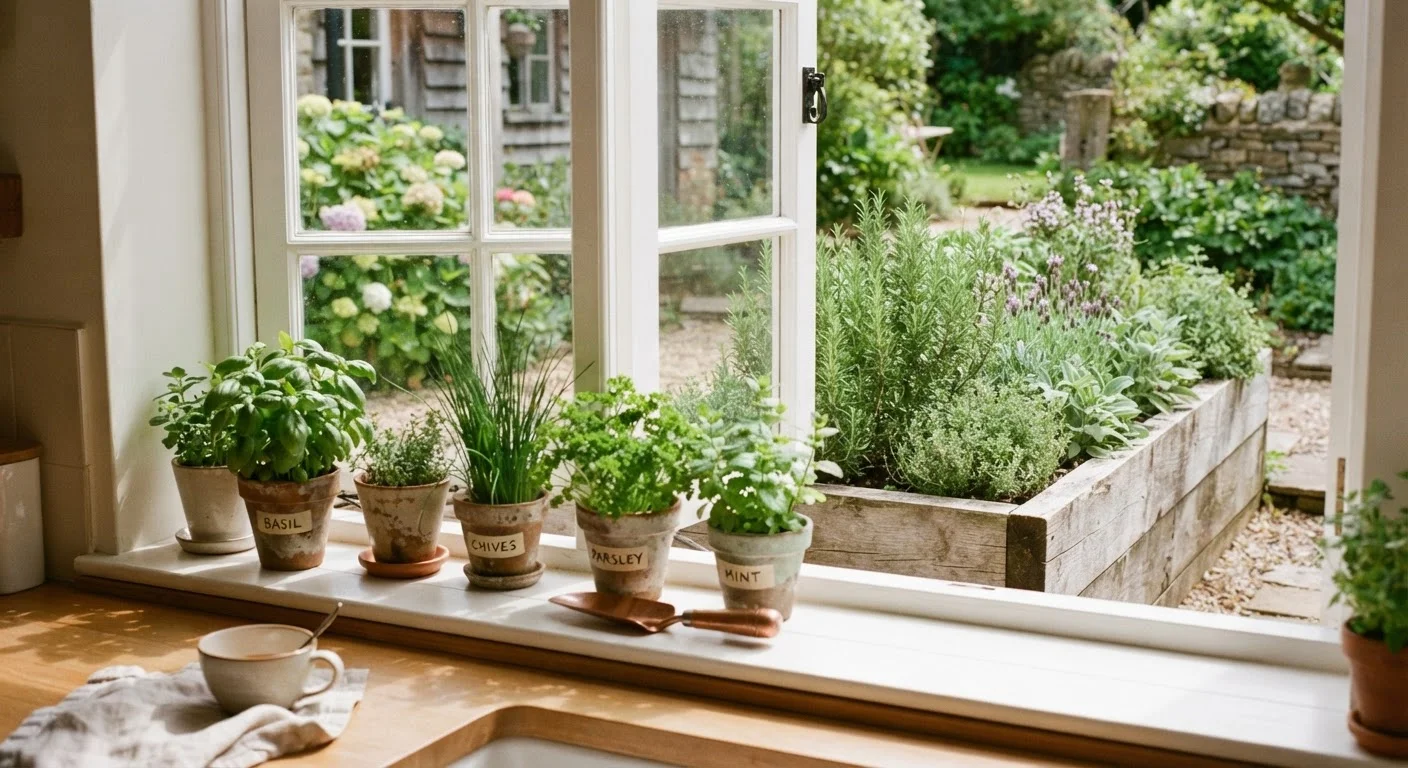
Photo credit: ArticlesHaven.net
In this article
Not every herb does well on a windowsill. Find out which herbs flourish indoors, which prefer outside conditions, and why the difference matters.
Key Takeaways
- Herbs with lower light needs - like mint, chives, and parsley - are generally better candidates for indoor growing.
- Mediterranean herbs such as rosemary, thyme, and oregano typically perform far better outdoors with full sun and good air circulation.
- Soil drainage and light intensity are the two most decisive factors in whether an herb survives or struggles inside.
- Many herbs can be grown in containers outdoors, bridging the gap between a full garden and a cramped windowsill.
- Matching each herb to its preferred conditions prevents the most common failures: leggy growth, root rot, and poor flavor.
Why Location Matters More Than You Think
Most herb-growing failures come down to a mismatch between the plant's natural habitat and where it ends up living. A sprig of rosemary native to the Mediterranean hillside does not want to sit in a dim corner of your kitchen. Conversely, mint - a vigorous, shade-tolerant spreader - can do very well in a moderate indoor light situation.
Two factors dominate the indoor-versus-outdoor decision: light intensity and drainage. Indoor spaces rarely deliver the 6-8 hours of direct sun that most culinary herbs prefer. Even a south-facing window typically provides significantly less photosynthetically active radiation than a full outdoor exposure. At the same time, indoor pots can easily become waterlogged without the natural soil drainage that outdoor beds provide.
Understanding these constraints helps you set realistic expectations before you plant - and saves you from replacing dead seedlings every few weeks.
Herbs That Do Well Indoors
A select group of herbs tolerates lower light, more consistent humidity, and the limitations of container life indoors.
- Chives: One of the most forgiving indoor herbs. They grow from bulbs, tolerate moderate light, and bounce back quickly after cutting. A 4-6 inch pot on a bright windowsill is sufficient.
- Mint: Thrives in partial shade and moist soil - conditions common indoors. One important caveat: keep it potted, because mint spreads aggressively and will take over a garden bed if planted directly in the ground outdoors.
- Parsley: Does reasonably well indoors with 4-6 hours of light per day. Growth will be slower than outside, but it stays productive. Use a deep pot to accommodate its taproot.
- Basil: A popular indoor choice, though it genuinely needs at least 6 hours of bright light. It hates cold drafts and dry air. A sunny south-facing window or a small grow light helps considerably.
- Lemon balm: Tolerates lower light and is low-maintenance - a good pick if your windowsill light is inconsistent.
If windowsill space is limited, container gardening techniques can help you stack or arrange pots efficiently without sacrificing plant health.
Boost Indoor Light With a Simple Grow Light
If your windows face north or east and you still want to grow basil or parsley, a basic full-spectrum LED grow light can make a meaningful difference. Even a modest unit run for 12-14 hours a day can compensate for low natural light. Position it 6-12 inches above the foliage and use a timer for consistency.
Herbs That Prefer Outdoor Conditions
Mediterranean-origin herbs have adapted to hot, dry summers, strong sun, and well-drained rocky soils. Replicating that indoors is difficult.
| Herb | Best Location | Light Needs | Water Needs | Key Risk Indoors | |
|---|---|---|---|---|---|
| Basil | Indoors (sunny window) | 6+ hrs direct light | Moderate, consistent | Cold drafts, low light | |
| Chives | Indoors or outdoors | 4-6 hrs light | Moderate | Minimal - very adaptable | |
| Mint | Indoors (keep potted) | Partial shade ok | Moist soil | Invasive if planted outdoors | |
| Rosemary | Outdoors preferred | 6-8 hrs full sun | Low, drought-tolerant | Root rot, powdery mildew | |
| Thyme | Outdoors preferred | 6+ hrs full sun | Low, well-drained | Leggy, flavorless growth | |
| Oregano | Outdoors preferred | Full sun | Low to moderate | Reduced flavor and vigor |
- Rosemary: Needs full sun (6+ hours), excellent drainage, and good air movement. Indoors, it commonly develops root rot from overwatering and powdery mildew from stagnant air.
- Thyme: Similarly sun-hungry and drought-tolerant. It performs well in raised beds, borders, or outdoor containers with gritty soil mix.
- Oregano: Produces the best flavor when grown in full sun and slightly stressed by dry conditions - the opposite of a coddled indoor plant.
- Sage: A woody perennial that becomes leggy and flavorless indoors. Outdoors, it can grow into a substantial shrub and survive mild winters in many US regions.
- Lavender: Requires intense light and extremely good drainage. Very rarely thrives indoors long-term.
If you're planning a more permanent outdoor herb section, it's worth reading about the differences between annual and perennial plants - many outdoor herbs like thyme and sage are perennials that return each year with minimal upkeep.
Overwatering Is the Most Common Indoor Herb Mistake
Herbs in pots indoors dry out more slowly than those outdoors and have no escape from standing water. Always check that pots have drainage holes, and water only when the top inch of soil feels dry. Soggy roots are the leading cause of indoor herb failure, particularly with rosemary, thyme, and sage.
Making the Most of a Hybrid Setup
For many gardeners, the practical answer is a combination: a few adaptable herbs indoors for convenience, and a sunny outdoor bed or set of containers for the more demanding varieties. Outdoor containers are especially useful - they offer the drainage and airflow of an outdoor environment with the flexibility to move plants as seasons change.
Companion planting is another factor worth considering when you move herbs outside. Pairing herbs like basil near tomatoes, or dill near brassicas, can support the broader garden ecosystem.
If you're starting fresh, consider growing from seed rather than buying transplants - it's more economical and gives you control over early conditions. Starting seeds indoors works well for basil and parsley, giving them a head start before moving them to their final location.
6-8 hrs
Daily sunlight most culinary herbs require
Cooperative Extension guidelines consistently cite this as the baseline for productive herb growth, a threshold most indoor spaces cannot reliably meet.
~50%
Less light through a south-facing window vs. outdoors
Studies on indoor horticulture suggest typical windows filter out a significant portion of light intensity even on clear days, affecting photosynthesis and flavor compound development.

Author
Articles Haven Editorial Contributor
Articles Haven Editorial Team is the collective byline for our editorial team and contributor network. Articles published under this byline or an editorial pen name are researched, written, and reviewed according to our editorial standards for clarity, consistency, and independence before publication.
View all articles →