
Rain Barrels and Garden Water Collection: What's Worth the Effort
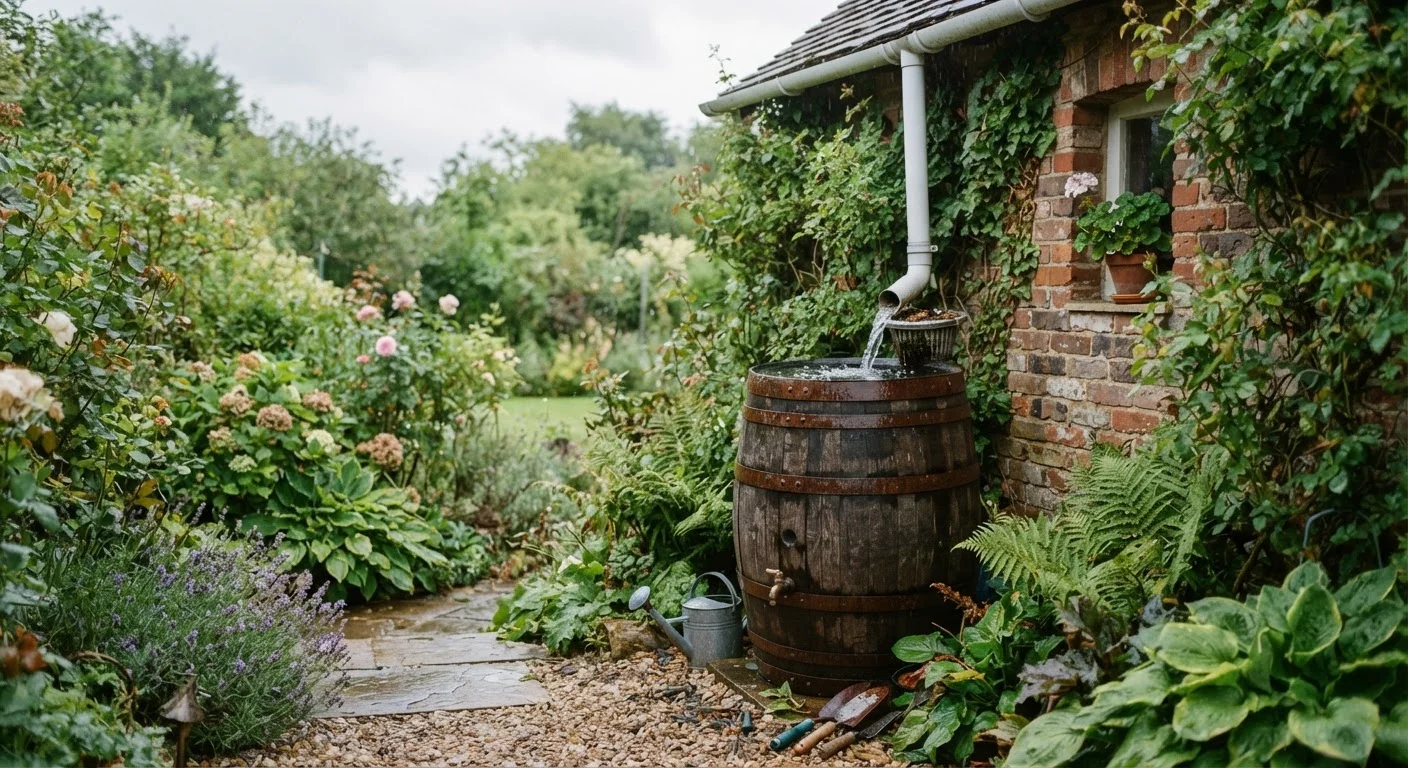
Photo credit: ArticlesHaven.net
In this article
Rain collection can reduce irrigation costs and conserve water—within limits. An honest look at the setup, benefits, and legal considerations.
Key Takeaways
- Rain barrels can meaningfully reduce outdoor water use during dry spells, but capacity limits apply.
- Setup costs are modest, though plumbing modifications and overflow management add complexity.
- Collection legality varies by state - some jurisdictions restrict or regulate rainwater harvesting.
- A single 55-gallon barrel covers only a fraction of a typical garden's weekly water needs.
- Larger cistern systems scale up benefits but require more planning, space, and upfront investment.
How Rain Collection Systems Actually Work
At its simplest, a rain barrel is a large container - typically 50 to 100 gallons - connected to a home's downspout via a diverter. When rain falls on your roof, runoff channels into gutters, through the diverter, and into the barrel. A spigot at the bottom lets you draw water for garden use, usually by gravity feed or with a small pump.
More elaborate setups chain multiple barrels together or use underground cisterns that can hold hundreds or thousands of gallons. These systems often include first-flush diverters - devices that discard the initial, dirtier runoff before clean water is collected - along with overflow valves and filtration screens to keep out debris and mosquitoes.
Collected rainwater is generally considered non-potable (not safe for drinking) and is intended for outdoor irrigation. If you're also rethinking how water reaches your plants once it's collected, it's worth reading about drip irrigation vs. sprinkler systems to match your distribution method to your garden layout.
The Real Benefits - and Where They Hold Up
The appeal of rain collection is legitimate. Capturing free water from your roof reduces reliance on municipal supply, lowers outdoor water bills, and keeps chlorine-free water available for plants that are sensitive to treated tap water. During summer restrictions or drought advisories, a stocked barrel can keep raised beds and container plants going when hose use is limited.
For gardeners already working to reduce resource use - perhaps alongside drought-tolerant landscaping strategies - a rain barrel fits naturally into a layered conservation approach. It's also a tangible entry point for anyone wanting to make their yard more self-sufficient without a major renovation.
The Honest Drawbacks You Should Factor In
The limitations are just as real as the benefits. A standard 55-gallon barrel fills quickly in a heavy rain - and empties just as fast during a dry week. Depending on garden size and local climate, one barrel may cover only a day or two of irrigation. Scaling up with additional barrels or a cistern solves this but adds cost, plumbing complexity, and space requirements.
Maintenance is also a recurring commitment. Screens need cleaning to prevent clogs; standing water in poorly sealed barrels can become a mosquito breeding site. In climates with freezing winters, barrels must be drained and disconnected seasonally to avoid cracking. And if your gutters carry roof material runoff that includes asphalt shingle residue, the collected water may not be appropriate for edible crops - something worth investigating before using it on a vegetable garden.
If you're reassessing your overall garden watering habits, it may also help to review common watering myths that can undermine even the best-intended setup.
Legal Considerations: Check Before You Install
This is the detail most guides bury, but it matters. Rainwater harvesting rules vary significantly across the United States. Most states either permit it outright or actively encourage it. A handful have historically restricted or regulated collection - Colorado, for example, long limited collection to small quantities for specific uses, though its rules have loosened in recent years. A few states require registration for larger-capacity systems.
Local ordinances and HOA rules can add another layer of restrictions regardless of state law. Before purchasing hardware or modifying your downspouts, check your state's current regulations and your local municipality's codes. The EPA and your state's environmental or water resources agency are reliable starting points for accurate, current information.
If you garden in a compact space - a balcony, patio, or tight urban lot - and collection isn't viable, container gardening techniques that minimize water waste may be a more practical path.

Author
Articles Haven Editorial Contributor
Articles Haven Editorial Team is the collective byline for our editorial team and contributor network. Articles published under this byline or an editorial pen name are researched, written, and reviewed according to our editorial standards for clarity, consistency, and independence before publication.
View all articles →