
Garden Layout Planning: Approaches That Make a Real Difference
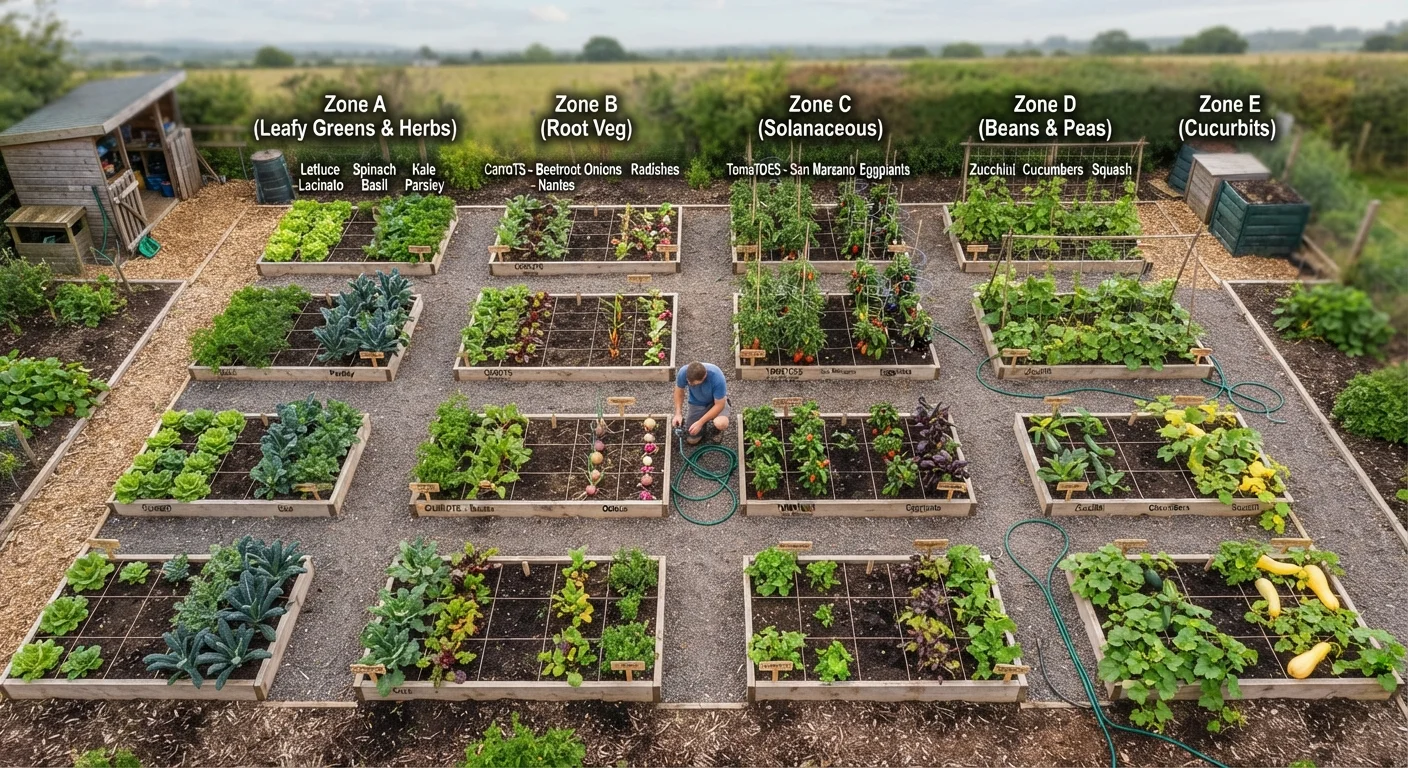
Photo credit: ArticlesHaven.net
In this article
From square-foot gardening to row planting, layout choices affect yield, weed pressure, and ease of access. Compare the most practical methods.
Key Takeaways
- Row planting suits large plots and mechanical tools; square-foot gardening fits small spaces and beginners.
- Layout choice directly affects weed pressure, water use, and how easily you can access plants.
- No single method works best for everyone - space, crop type, and time commitment all matter.
- Combining methods (e.g., raised beds with square-foot spacing) is a practical option many gardeners use.
- Good planning on paper before you plant saves significant rework during the growing season.
Why Layout Matters More Than Most Gardeners Expect
Most gardening advice focuses on plant choice and soil prep - but layout is often the factor that determines how manageable a garden actually is day-to-day. How you arrange plants affects sun exposure, airflow, water distribution, weed competition, and whether you can physically reach what you're growing without compacting the soil.
The good news: you don't need a landscape design background to make smart layout decisions. You need a clear sense of your space, your goals, and how much time you realistically have. For broader context on starting out, see starting a vegetable garden from scratch.
| Row Planting | Square-Foot | Block/Intensive | Raised Beds | |
|---|---|---|---|---|
| Space efficiency | Low - wide pathways waste ground | High - grid maximizes planting area | High - dense bands use most space | Moderate - depends on bed size |
| Weed pressure | High in open aisles | Low once plants establish | Low - dense canopy suppresses weeds | Low with good soil and mulch |
| Best for crop type | Corn, beans, root veg | Mixed herbs, greens, small veg | Leafy greens, beets, carrots | Most crops, flexible |
| Setup complexity | Simple to start | Requires grid planning | Moderate - spacing is precise | Higher upfront cost and build |
| Maintenance effort | Higher - more weeding | Moderate | Moderate - monitor airflow | Lower once established |
| Scalability | Scales well to large plots | Best for small to medium plots | Medium plots | Limited by bed count and cost |
Traditional Row Planting
Row planting is the classic approach: crops arranged in parallel lines with walkways between them. It works well when you're growing in volume - think a full season's worth of beans, corn, or root vegetables. Rows make it easier to use tools like hoes or wheel cultivators, and they simplify crop rotation planning from year to year.
The downside is space inefficiency. Wide pathways eat up a significant portion of available ground, and weed pressure in those open aisles can be high. Row planting also tends to require more watering since plants are spaced further apart and soil surface exposure is greater.
Sketch Your Layout Before You Dig
A simple pencil-and-paper plan - or a free online garden planning tool - helps you spot spacing problems before they become real ones. Note which crops need full sun vs. partial shade, and factor in taller plants that might shade shorter neighbors. Spending 20 minutes planning can prevent a season of frustration.
Square-Foot Gardening
Popularized by Mel Bartholomew, square-foot gardening divides beds into a grid - typically 1-foot squares - with each square dedicated to a specific plant or group of plants based on spacing requirements. A 4×4-foot bed yields 16 planting squares, and a 4×8-foot bed yields 32. The method is intuitive, reduces overplanting, and cuts down on wasted seed.
It's particularly well-suited to raised beds, where the defined grid structure is easiest to implement. Because plants are spaced close together, they shade out weeds effectively once established. The trade-off: this approach requires more attention to soil quality and fertility since plants compete in close quarters. See how this pairs with raised beds vs. in-ground planting if you're deciding on your bed structure.
Block and Intensive Planting
Block planting abandons rows in favor of wide, densely planted bands - usually 18 to 24 inches across - with access from the sides only. Intensive planting takes this further, staggering plants in a triangular pattern to fit more per square foot than traditional spacing allows.
Both approaches reduce bare soil, which suppresses weeds and retains moisture more effectively. They work especially well for crops like lettuce, spinach, carrots, and beets. The main challenge is that dense planting can reduce airflow, which may increase disease pressure in humid climates. Good plant selection matters here - pairing compatible crops can help. Companion planting is worth considering when designing a block layout.
~80%
Less space used vs. traditional rows
Proponents of intensive planting methods commonly cite space savings of this magnitude compared to conventional row spacing, though results vary by crop.
4 ft
Recommended max bed width for access
A widely cited guideline in raised bed and intensive gardening practice to avoid stepping into the bed and compacting soil.
Raised Bed Layouts
Raised beds aren't a planting method on their own - they're a structural choice that supports any of the above approaches. Their real advantages are soil control, drainage, and accessibility. Gardeners can tailor the growing medium precisely, which matters especially in areas with poor native soil or heavy clay.
For layout purposes, raised beds work best when kept narrow enough to reach the center from either side - 4 feet is the common standard. Wider beds make plant care awkward and can lead to soil compaction when you're forced to step inside them. If you're considering vertical crops within a raised bed system, vertical gardening structures can help you make the most of limited footprint.
Avoid Making Beds Too Wide to Reach
A common mistake is building raised beds wider than you can comfortably reach across. If you have to step into the bed to tend plants, you'll compact the growing medium - one of the main things raised beds are designed to prevent. Stick to 4 feet wide (or less if you're working from one side only) as a practical guideline.
Choosing the Right Approach for Your Situation
The right layout comes down to three practical factors: available space, the crops you're growing, and how much time you have for maintenance. Large root vegetables and sprawling vines like squash tend to do better in rows or wide blocks. Leafy greens and herbs thrive in square-foot or intensive setups. Mixed gardens - a common reality for most home gardeners - often benefit from combining approaches.
It's also worth thinking about access paths before you plant, not after. Paths should be wide enough to kneel or crouch in comfortably. Mulching paths reduces weeding significantly - understanding mulch types and depth can help you choose what to put down. For overall garden design principles that go beyond just planting, landscape design fundamentals for non-designers is a useful complement.
This article is intended for general informational and educational purposes. Results in the garden depend on many variables including local climate, soil conditions, and plant selection. Always verify recommendations against your specific regional conditions.

Author
Articles Haven Editorial Contributor
Articles Haven Editorial Team is the collective byline for our editorial team and contributor network. Articles published under this byline or an editorial pen name are researched, written, and reviewed according to our editorial standards for clarity, consistency, and independence before publication.
View all articles →