
Annuals vs. Perennials: Planning a Garden That Works Year After Year
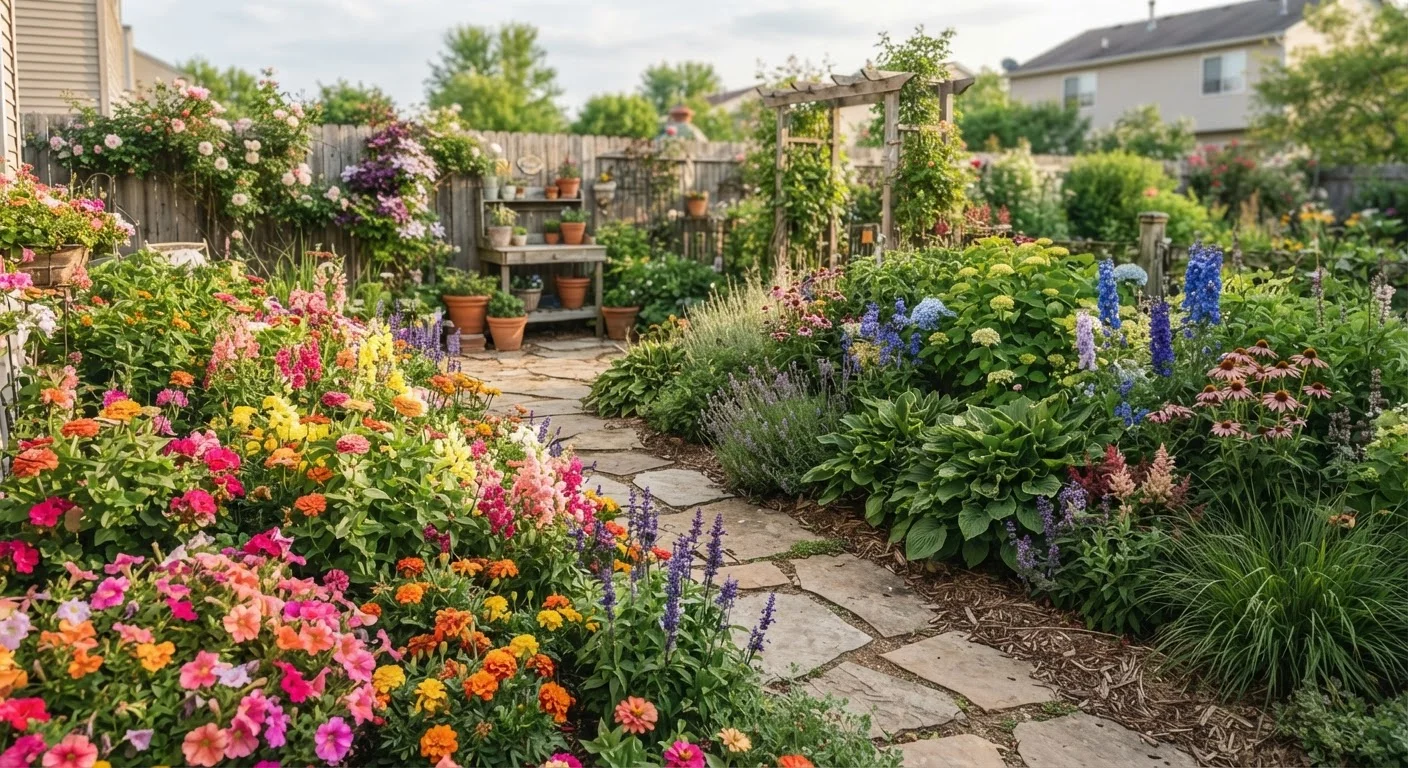
Photo credit: ArticlesHaven.net
In this article
Understand the key differences between annuals and perennials so you can plan a garden that balances color, cost, and low maintenance.
Key Takeaways
- Annuals complete their entire life cycle in one growing season and must be replanted each year.
- Perennials return year after year from the same root system, typically blooming for a shorter window each season.
- Annuals generally cost more annually due to replanting; perennials require a higher upfront investment that pays off over time.
- Combining both types gives you consistent structure from perennials and flexible color from annuals.
- Your climate, USDA hardiness zone, and maintenance preferences should drive your plant-type ratio.
What Actually Defines an Annual vs. a Perennial
The distinction comes down to life cycle. An annual germinates, flowers, sets seed, and dies within a single growing season. You get one glorious run, then it's gone. Common annuals include marigolds, petunias, zinnias, and impatiens. Some plants labeled as annuals in northern climates are actually tender perennials that simply can't survive US winters - begonias and lantana are two common examples.
A perennial lives for three or more years. The above-ground growth may die back in winter, but the root system survives and sends up new growth each spring. Examples include coneflowers, black-eyed Susans, hostas, and daylilies. Their bloom window per season is typically shorter than annuals - often two to six weeks rather than all season - but they don't need to be replanted.
There's also a middle category worth knowing: biennials (like foxglove and hollyhock) complete their life cycle over two years, flowering in year two. They're less common in general garden planning but worth noting if you encounter them at a nursery.
Understanding what light labels on plant tags actually mean is equally important - both annuals and perennials have specific light requirements that determine where they'll actually perform well in your yard.
Cost, Labor, and Long-Term Value
Cost is where the annuals-vs-perennials debate gets practical. Annuals are generally cheaper per plant at purchase, but you buy them every single season. Perennials cost more upfront and may take two to three seasons to reach their full size - a gardening principle often summarized as "sleep, creep, leap." By year three or four, many perennials self-propagate or can be divided, effectively multiplying your plant stock for free.
2-3 years
Time for perennials to reach full size
Most perennials follow the gardening adage 'sleep, creep, leap' - slow to establish but self-sustaining once mature.
~50%
Portion of US gardeners who mix plant types
Garden surveys consistently find that combining annuals and perennials is the most common approach among home gardeners.
5-7 months
Typical bloom window for annuals
In most US growing zones, annuals planted after last frost will flower continuously until the first hard freeze in fall.
Labor follows a similar pattern. Annuals demand more seasonal work: buying, planting, and removing spent plants every year. Perennials need periodic division, deadheading, and cutback but don't require the full replanting cycle. If you're also managing soil health - something that benefits both plant types - our guide on compost, mulch, and fertilizer covers how to feed the ground intelligently rather than just the plants.
One practical note: perennials do require winter care in colder zones. Cutting back dead foliage, mulching roots, and timing that correctly matters. That fits naturally into a broader seasonal rhythm - see our seasonal home maintenance task guide for how garden prep fits alongside other property upkeep.
Bloom Time and Visual Impact: The Real Trade-Off
This is the sharpest practical difference between the two types. Annuals are bloom machines - plant them and they flower from early season until hard frost, often for five to seven months. That's an extended display that perennials simply can't match in isolation.
Perennials, by contrast, bloom in waves. A well-designed perennial garden staggers plant selections so that something is always in bloom, but any individual plant may only show color for a few weeks. Getting this choreography right takes deliberate planning and some trial and error.
| Criterion | Annual Plants | Perennial Plants |
|---|---|---|
| Lifespan | One growing season | 3+ years |
| Bloom duration per season | Continuous (spring-frost) | 2-6 weeks typically |
| Upfront cost | Lower per plant | Higher per plant |
| Long-term cost | Ongoing (replant yearly) | Declines over time |
| Replanting effort | Every season | Rare (division only) |
| Design flexibility | High - change yearly | Lower - longer commitment |
| Establishment time | Flowers immediately | 2-3 seasons to mature |
| Winter survival (cold zones) | Does not survive frost | Root system persists |
The most effective approach many experienced gardeners use is a mixed planting strategy: perennials for structure and recurring interest, annuals tucked in to fill gaps and maintain season-long color. This also gives you flexibility - if a perennial underperforms in a given spot, an annual can mask it while you reassess. For ideas on how plant choices interact with your overall layout, see our article on garden layout planning approaches.
Choosing the Right Mix for Your Situation
There's no universal ratio of annuals to perennials that works for every garden. The right balance depends on your climate zone, budget, how much time you want to spend each season, and what visual effect matters most to you.
Know Your USDA Hardiness Zone
Perennial survival in winter depends heavily on your local hardiness zone. A plant labeled 'perennial' at a nursery may not overwinter in colder zones - always check the zone range on the tag before assuming a plant will return. The USDA Plant Hardiness Zone Map is a free public resource for finding your zone by ZIP code.
If you're starting from scratch, a reasonable approach is to establish perennial anchors first - plants that will define the garden's bones - then use annuals to fill in color as the perennials establish. Over two to three seasons, the perennials will expand and you'll rely less on annuals to fill space. You can also consider native plants vs. exotic ornamentals, since many native perennials are highly adapted to regional conditions and require less supplemental watering once established.
Pollinators respond well to both plant types, but flowering diversity matters. A garden with overlapping bloom periods - achieved through a mix of annuals and perennials - tends to support a wider range of beneficial insects. Our article on what attracts pollinators to the garden goes deeper on which plant traits matter most.
Finally, if you're deciding where to plant - raised beds versus in-ground - that choice also affects how you manage both plant types. Check out raised beds vs. in-ground planting for a detailed comparison of both setups.

Author
Articles Haven Editorial Contributor
Articles Haven Editorial Team is the collective byline for our editorial team and contributor network. Articles published under this byline or an editorial pen name are researched, written, and reviewed according to our editorial standards for clarity, consistency, and independence before publication.
View all articles →