
What 'Full Sun,' 'Part Shade,' and 'Deep Shade' Really Mean for Plants
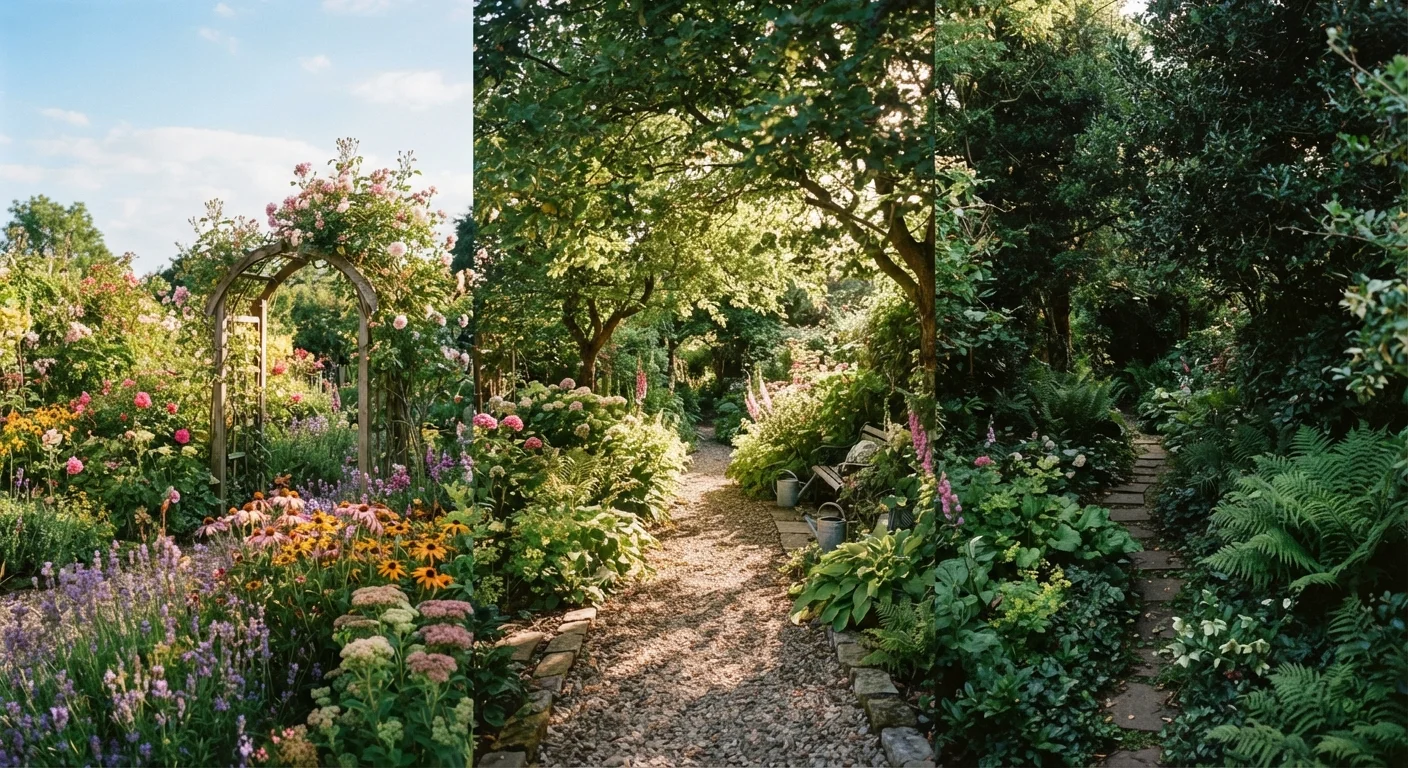
Photo credit: ArticlesHaven.net
In this article
Plant labels use light terms loosely. Here's what full sun, part shade, and deep shade actually mean—and how to assess your yard's conditions.
Key Takeaways
- Full sun means at least 6 hours of direct sunlight daily - not just bright light.
- Part shade (or part sun) typically means 3-6 hours of direct sun, often with afternoon shade.
- Deep shade means less than 2 hours of direct sun and very limited overall brightness.
- Your yard's light conditions can vary season to season as the sun's angle shifts.
- Misreading light conditions is one of the most common causes of struggling plants.
Why Plant Light Labels Get Misread
Walk through any garden center and you'll find plant labels covered in shorthand: 'full sun,' 'part shade,' 'prefers dappled light.' These terms exist because sunlight is genuinely one of the biggest factors shaping how a plant grows. But the labels are frequently misread - and that mismatch is behind many gardening frustrations that get blamed on watering or soil instead.
The core issue is that people often estimate light conditions based on how bright an area looks rather than how much direct sun actually hits it. A spot near a south-facing wall may feel sunny but only get four hours of direct rays. Conversely, an open area near a reflective surface might seem moderate but scorch sun-sensitive plants. Getting this right starts with understanding what the terms actually mean.
Light labels aren't standardized
There's no universal regulatory body that enforces what 'full sun' or 'part shade' means on a plant tag. Different growers and retailers apply these terms with slightly different thresholds. When in doubt, cross-reference the label with a reputable horticultural source or your local cooperative extension office for species-specific guidance.
Breaking Down the Three Main Categories
Full Sun
Full sun means at least 6 hours of direct sunlight per day - and in most cases, more is better for plants in this category. Tomatoes, lavender, roses, and most ornamental grasses fall here. These plants typically need that sustained direct exposure to photosynthesize efficiently, set fruit or flowers, and maintain compact growth. Shade-tolerant neighbors don't compensate; a shaded tomato plant will underperform regardless of how bright the surrounding yard feels.
Part Sun / Part Shade
This range covers roughly 3-6 hours of direct sunlight daily. The terminology splits based on preference: plants labeled 'part sun' generally lean toward the higher end and need more exposure, while 'part shade' plants prefer the lower end and often benefit from protection from harsh afternoon sun. Hostas, impatiens, and astilbes are classic part-shade performers. Many edible herbs like cilantro and parsley also do well in this middle range.
Full Shade / Deep Shade
Full or deep shade means fewer than 2 hours of direct sun per day, with most light being filtered, dappled, or reflected. This is genuinely limiting. Relatively few plants thrive here - ferns, certain ground covers like pachysandra, and shade-adapted woodland plants. Expecting a flowering annual to succeed in deep shade, even one labeled 'shade tolerant,' usually leads to disappointment.
Watch for afternoon vs. morning sun
Morning sun is cooler and gentler; afternoon sun (especially from the west) is more intense and drying. Some plants labeled 'part shade' can handle morning sun just fine but struggle with hours of hot western afternoon exposure. If you have a heat-sensitive plant, look for spots where shade arrives by early afternoon.
How to Assess Your Yard's Actual Light
The only reliable way to know what your yard gets is to observe it directly during the growing season. Pick a clear day and check each area you're considering every hour, noting whether the sun is hitting the ground or plant zone directly. Do this across the main part of the day - roughly 8 a.m. to 6 p.m. Tally up the hours of direct sun. That number places the spot in its category.
A few factors that complicate estimates:
- Seasonal shift: The sun's path changes by month. A spot that's full sun in June may drop to part shade in September or March. Assess during the season you intend to plant.
- Neighboring structures: Fences, sheds, and house walls cast moving shadows that don't always show up in a single snapshot.
- Tree canopy: Deciduous trees (those that lose their leaves) create deep shade in summer but allow full sun in spring before leafing out - useful for spring bulbs, less useful for summer annuals.
6+ hrs
Daily direct sun needed for full-sun plants
This threshold is consistent across most horticultural extension guidelines from land-grant universities in the US.
3-6 hrs
Direct sun range for part sun/part shade plants
Plants in this range often perform differently depending on whether the sun comes in the morning or the hotter afternoon hours.
<2 hrs
Direct sun limit for deep shade classification
Most flowering annuals and vegetables cannot sustain healthy growth below this threshold, according to cooperative extension resources.
It also helps to understand that light intensity varies by direction. South-facing exposures typically get the most sun in the northern hemisphere; north-facing spots get the least. East-facing areas get gentler morning sun; west-facing spots get hotter afternoon rays - a meaningful difference for heat-sensitive plants.
Putting It Together When Choosing Plants
Once you know your light category, matching plants becomes far more straightforward. If you're planning a mixed border, account for the fact that light may shift across the bed - a tree at one end might create a gradient from part shade to full sun within the same planting zone.
Light is just one piece of the puzzle. How you water and feed plants interacts with how much sun they receive - a full-sun plant in sandy soil in a hot climate will dry out much faster than the same plant in a shadier spot. For guidance on reading plant stress signals, see how to read overwatering and underwatering signs.
Planning out a mix of annuals and perennials across different light zones? The article on annuals vs. perennials covers how to balance both in a single bed. And once your plants are in the ground, soil care matters - knowing when to use compost, mulch, or fertilizer can help you build on a solid foundation.
“The single most common reason plants fail in home gardens isn't watering or fertilizer - it's being placed in the wrong light. Matching a plant's light needs to the actual conditions in your yard is the foundation everything else builds on.”
— University Cooperative Extension Horticulture Program, State land-grant university outreach guidance on home gardening
Frequently Asked Questions

Author
Articles Haven Editorial Contributor
Articles Haven Editorial Team is the collective byline for our editorial team and contributor network. Articles published under this byline or an editorial pen name are researched, written, and reviewed according to our editorial standards for clarity, consistency, and independence before publication.
View all articles →