
Seasonal Home Maintenance: Tasks Organized by Time of Year
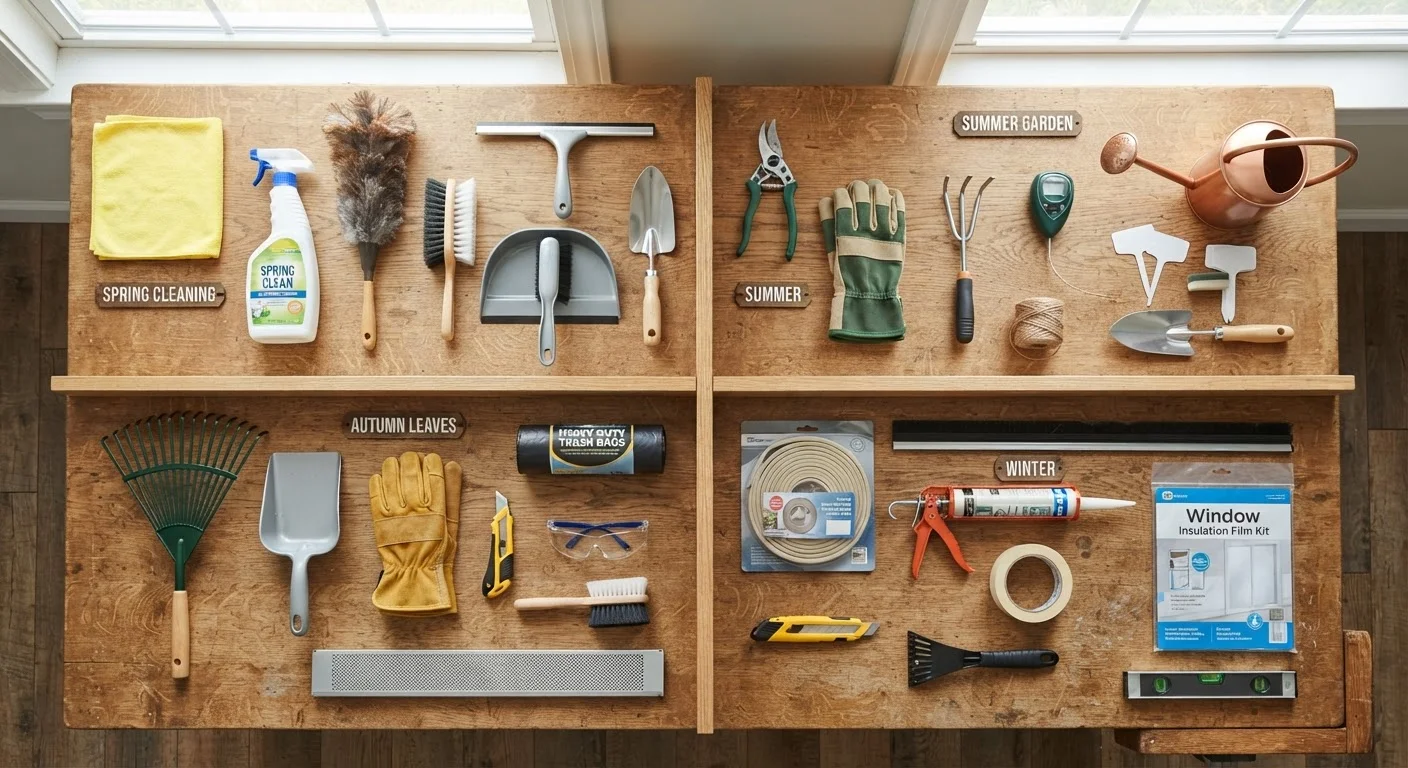
Photo credit: ArticlesHaven.net
In this article
A structured overview of the maintenance tasks that should happen each season to keep a home running safely and efficiently.
Key Takeaways
- Seasonal maintenance is more manageable when tasks are distributed across the calendar rather than tackled all at once.
- Some tasks - like HVAC filter changes and smoke detector tests - belong on every season's list.
- Exterior tasks timed around freeze-thaw cycles prevent water damage, one of the costliest home repair categories.
- Certain maintenance work requires licensed professionals; know when to call one rather than DIY.
- A written maintenance log helps you track what was done and when, protecting warranties and resale value.
Why a Seasonal Structure Works
Random, reactive maintenance costs more than scheduled prevention. A busted pipe in January, a failed AC unit in July, or a roof leak after the first autumn storm all share something in common: they were often preventable with routine attention a few weeks earlier.
Organizing tasks by season gives your home the equivalent of a physical - catching small issues before they compound. This checklist is structured around the four US seasons, though your exact timing should reflect your local climate. A homeowner in Houston has a different winter checklist than one in Minnesota. Adjust accordingly.
For a broader household management framework, see The Complete Guide to Running a Household Smoothly, which covers cleaning, budgeting, and coordination alongside maintenance. If you're also keeping track of what's been done and when, a home maintenance log is a practical companion to this checklist.
Spring (March-May)
Summer (June-August)
Autumn (September-November)
Winter (December-February)
What to Keep Handy Year-Round
Certain tools and supplies make seasonal maintenance much smoother when they're already on hand. Scrambling for a replacement furnace filter or a tube of weatherstripping caulk mid-task adds frustration and delays. Stock a small maintenance kit and replenish it as you work through each season's list.
HVAC Air Filters (appropriate MERV rating for your system)
Changed quarterly or more often during heavy-use seasons to maintain air quality and system efficiency.
Caulk Gun and Weatherstrip Sealant
Seals gaps around windows, doors, and exterior penetrations to reduce drafts and moisture infiltration.
Carbon Monoxide and Smoke Detectors
Tested twice yearly; replacement units are needed if any detector is more than 10 years old.
Gutter Cleaning Scoop and Garden Hose
Removes debris from gutters and flushes downspouts to confirm proper drainage.
Pipe Insulation Foam
Wraps exposed pipes in unheated spaces to reduce freeze risk during winter cold snaps.
Home Maintenance Tracking App or Paper Log
Records service dates, contractor contacts, and warranty information to support long-term upkeep and resale documentation.
Permits and licensed trades matter more than you may think
Work involving electrical panels, gas lines, structural changes, or roof replacement typically requires a licensed contractor and a permit in most US jurisdictions. Skipping permits can create problems at resale and may void your homeowner's insurance coverage for related claims. Always check with your local building department before starting significant work.
Don't delay heating or safety system checks
Scheduling HVAC service and detector testing in advance of the season - not during it - means you're not competing with peak demand for technician availability. A heating system that fails its inspection in October is much easier to address than one that breaks down in January.
When it comes to choosing between DIY and professional help, the same logic that applies to vehicles applies here: some tasks are owner-friendly, others carry real risk. DIY vs. hiring a mechanic follows the same framework - know your limits before starting a job. Electrical panels, gas appliances, roofing, and structural repairs almost always require a licensed contractor and, in many jurisdictions, a permit.
If you're new to homeownership, Moving Into Your First Home lays out a practical starting framework for understanding which tasks are yours to own and which ones to delegate.
Roof and structural inspections: know your limits
Walking a roof without proper equipment and experience carries a genuine fall risk. For roof inspections beyond what's visible from the ground or a ladder's top rungs, consider hiring a licensed roofing contractor. Many offer inspection services separately from repair work. The same caution applies to attic structural assessments and anything involving load-bearing elements.
Connecting Maintenance to the Rest of Your Home Plan
Maintenance doesn't exist in isolation. A well-maintained home is easier to clean, more energy efficient, and less expensive to insure. Pairing this checklist with a whole-home cleaning schedule prevents overlap and gaps - some tasks, like clearing dryer vents, sit at the intersection of cleaning and maintenance.
If your outdoor space is part of your upkeep picture, planning your garden around perennials and annuals can reduce how much seasonal replanting and irrigation work you're juggling alongside home tasks. And if budget is a constraint, prioritizing home improvement projects by urgency and impact helps you sequence what gets attention first when you can't do everything at once.
This article provides general home maintenance guidance for informational purposes only. Task requirements vary significantly by home type, age, location, and local code. Always verify permit and licensing requirements with local authorities, and consult a qualified contractor for work involving electrical, gas, structural, or roofing systems.

Author
Articles Haven Editorial Contributor
Articles Haven Editorial Team is the collective byline for our editorial team and contributor network. Articles published under this byline or an editorial pen name are researched, written, and reviewed according to our editorial standards for clarity, consistency, and independence before publication.
View all articles →