
When to DIY Landscaping and When to Call a Professional
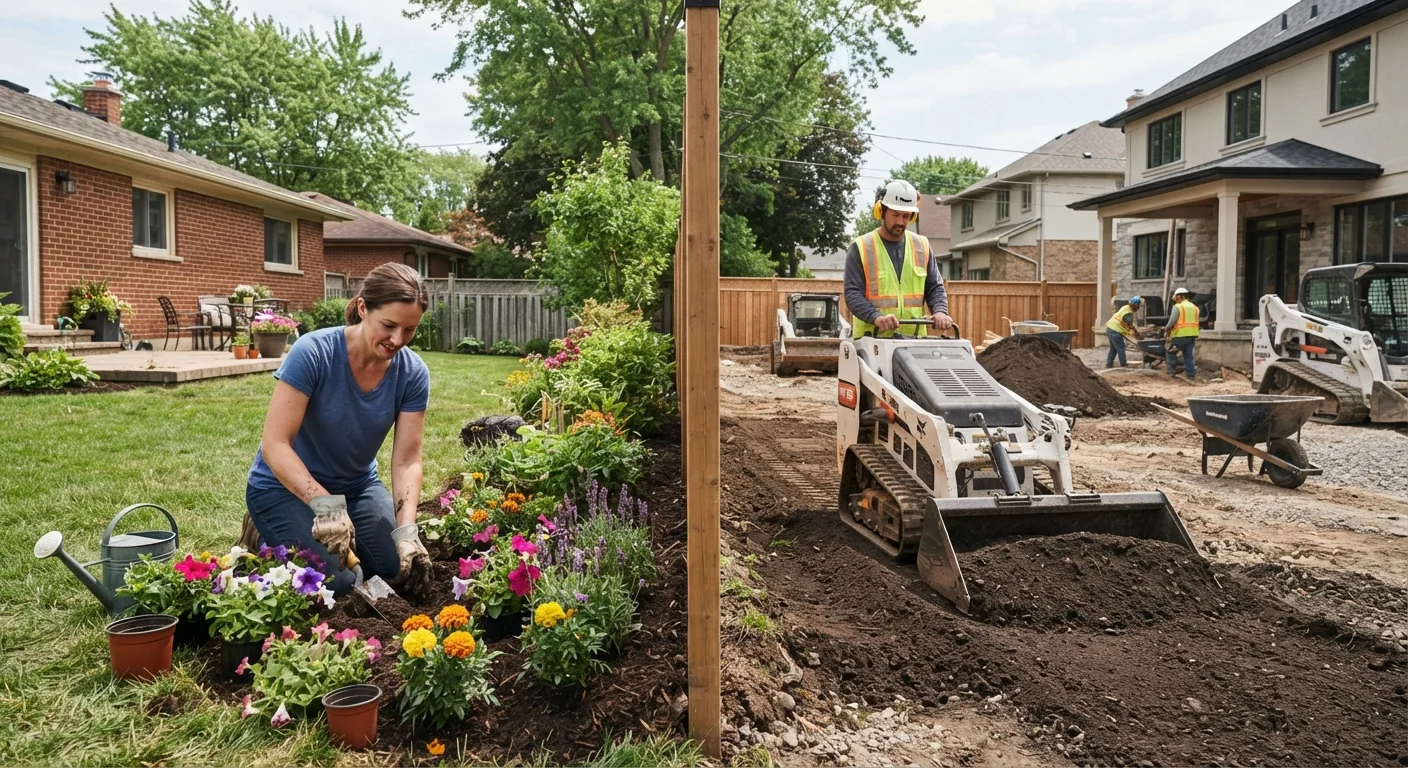
Photo credit: ArticlesHaven.net
In this article
Some landscaping tasks are genuinely DIY-friendly; others carry hidden complexity or risk. A realistic framework for deciding where to draw the line.
Key Takeaways
- Routine tasks like planting, mulching, and basic lawn care are well within most homeowners' capabilities.
- Projects involving grading, drainage, retaining walls, or large tree removal carry real safety and structural risks.
- Permits are sometimes required for landscaping work - verify local requirements before starting.
- Hiring a professional for complex jobs often costs less in the long run than fixing DIY mistakes.
The Real Question Isn't Skill - It's Risk
Most homeowners can handle more landscaping than they think. The honest question isn't whether you're handy enough - it's what happens if something goes wrong. Planting the wrong perennial in the wrong spot is an inexpensive lesson. Regrading a slope incorrectly and directing water toward your foundation is a far costlier problem. For a deeper look at how slope and drainage interact, see our article on landscaping and drainage planning.
A useful mental framework: the higher the consequence of failure - financially, structurally, or physically - the stronger the case for hiring a professional. Use that lens as you evaluate the tasks below.
Start With a Realistic Scope Assessment
Before buying materials or booking a contractor, walk the project area and identify anything unfamiliar - unusual slopes, wet patches after rain, existing tree roots near the work zone, or buried utility markers. Even experienced DIYers underestimate the time and complexity of projects with these variables. A single free consultation from a local landscaper can clarify what you're dealing with, even if you ultimately do the work yourself.
Tasks That Are Genuinely DIY-Friendly
A wide range of landscaping work falls comfortably within reach for most homeowners willing to put in a weekend's effort:
- Planting flowers, shrubs, and small trees - as long as you understand sun, soil, and spacing requirements.
- Laying mulch - straightforward, though depth and material choice matter more than most people realize. Our guide on mulch types, depth, and application walks through the details.
- Building raised planting beds - manageable for most, with clear trade-offs versus in-ground planting covered in raised beds vs. in-ground planting.
- Basic lawn maintenance - mowing, edging, overseeding, and aerating are all owner-appropriate tasks.
- Installing landscape fabric or simple garden borders - minimal risk, reversible if you change your mind.
Choosing the right tools makes these jobs faster and less fatiguing. Our comparison of hand tools vs. power tools for gardening can help you decide what's worth owning versus renting.
When to Call a Professional
Certain projects introduce complexity or hazard that tips the balance toward professional help:
- Grading and slope correction - changing how water drains across your property affects neighboring lots and your foundation. Done incorrectly, it can void homeowner's insurance claims.
- Retaining walls over a certain height - many municipalities require permits and engineering approval for walls above two or three feet. Check local codes before starting.
- Large tree removal or root-zone work - felling trees near structures, utility lines, or fences is hazardous. Even stump grinding can damage underground pipes and cables if done blindly.
- Irrigation system installation - connecting to your home's water supply may require permits and proper backflow prevention to meet code.
- Outdoor electrical work - landscape lighting that ties into your home's electrical system is subject to electrical codes and should be handled by a licensed electrician.
Don't Dig Without Calling 811
Underground gas, water, and electrical lines run through most residential yards - sometimes shallower than you'd expect. Striking a gas line or electrical conduit can cause serious injury or death. Call 811 at least a few business days before any digging project and wait for lines to be marked. This service is free and available nationwide.
The broader principle applies across home projects: see when to DIY vs. hire a contractor for a general framework you can apply beyond landscaping.
Comparing the Two Approaches
Here's a side-by-side look at how DIY and professional landscaping stack up across practical considerations:
| DIY Landscaping | Professional Landscaper | |
|---|---|---|
| Upfront cost | Lower (materials + tools only) | Higher (labor + materials) |
| Risk of costly mistakes | Higher on complex jobs | Lower with experienced crew |
| Permit navigation | Homeowner's responsibility | Often handled by contractor |
| Physical effort required | Significant | Minimal for homeowner |
| Creative control | Full control | Dependent on communication |
| Equipment access | Own or rent | Included in service |
| Best suited for | Planting, mulching, basic beds | Grading, trees, irrigation, walls |
811
National dig-safe call number
Calling 811 before digging is federally encouraged and legally required in most US states to locate underground utilities.
~$50-$100/hr
Typical professional landscaper labor rate
Hourly rates vary significantly by region, scope, and crew size; always get itemized estimates from multiple contractors.
Before You Decide: Practical Questions to Ask
Run through this checklist before committing either way:
- Does this project require a permit? Contact your local building or zoning department. Unpermitted work can create problems when you sell your home.
- Are there underground utilities? Call 811 (the national dig-safe line) before any digging deeper than a few inches.
- What's my realistic time budget? A weekend job that stretches to a month of half-finished work has real costs.
- Could a mistake create structural or drainage damage? If yes, get at least one professional estimate before proceeding.
- Do I have or can I rent the right equipment? Attempting a job with inadequate tools increases both effort and injury risk.
This same decision logic applies in other home contexts - for example, DIY vs. professional plumbing follows a nearly identical risk-based framework.

Author
Articles Haven Editorial Contributor
Articles Haven Editorial Team is the collective byline for our editorial team and contributor network. Articles published under this byline or an editorial pen name are researched, written, and reviewed according to our editorial standards for clarity, consistency, and independence before publication.
View all articles →