
Understanding Mulch: Types, Depth, and When It Helps vs. Hurts
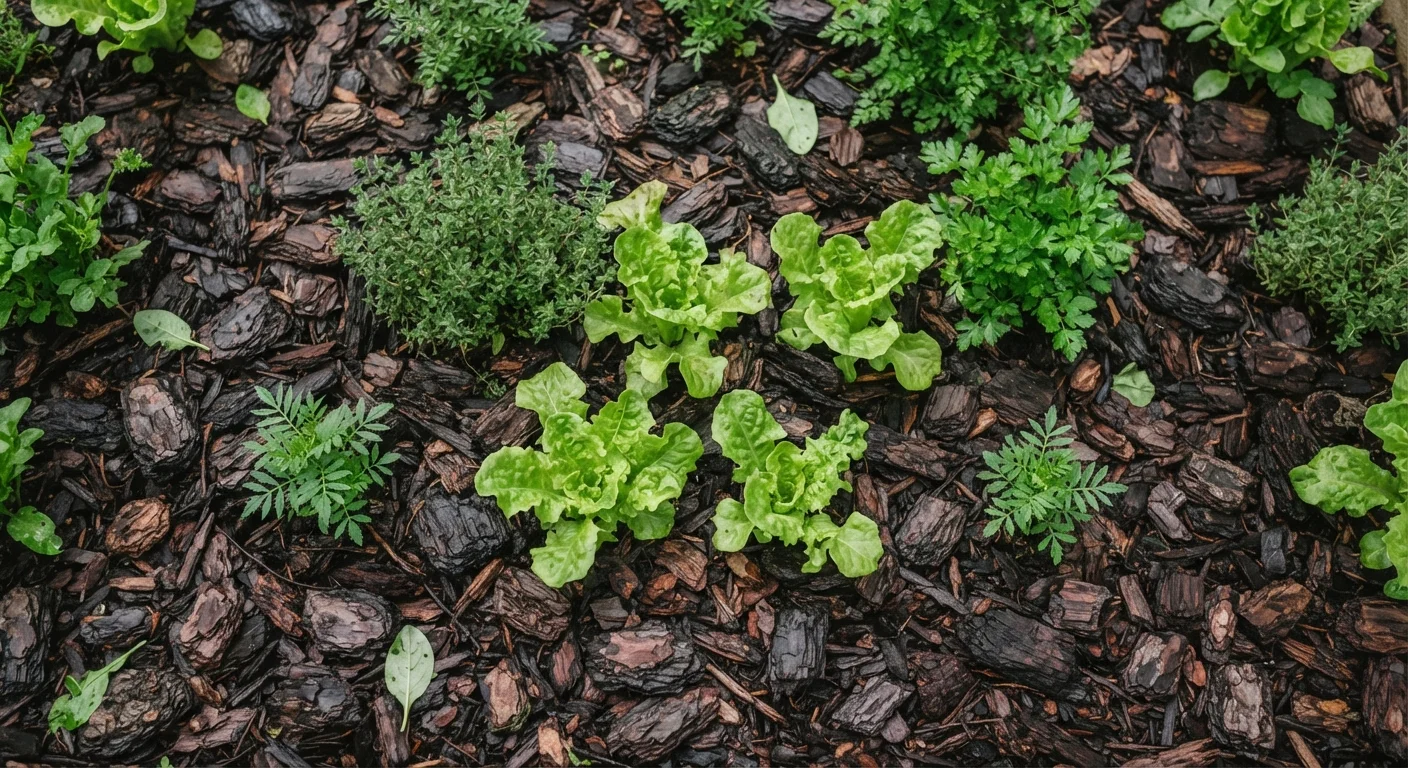
Photo credit: ArticlesHaven.net
In this article
Mulch isn't one-size-fits-all. Wood chips, straw, rubber, and rock each behave differently—here's how to choose and apply correctly.
Key Takeaways
- Organic mulches break down and improve soil, but require periodic replenishment.
- Applying mulch too deep (over 4 inches) can suffocate roots and invite disease.
- Keep mulch a few inches away from plant stems and tree trunks to prevent rot.
- Inorganic mulches like rubber or rock retain heat and can harm plants in hot climates.
- Straw and wood chips serve different purposes - match the type to the plant and situation.
Why Mulch Matters - and Why It's Not Always Helpful
Mulch is one of the most discussed topics in home gardening, and for good reason: applied correctly, it genuinely reduces watering frequency, moderates soil temperature swings, and cuts down on weeding time. Applied incorrectly, it can suffocate plants, foster disease, and create conditions that work against the garden you're trying to maintain.
The key is understanding that mulch is not a universal solution. It's a tool with specific jobs, and the type you choose should reflect what your soil, plants, and climate actually need. For a broader view of how mulch fits alongside other soil amendments, see how compost and fertilizer compare.
25-50%
Soil moisture retention improvement with proper mulching
University cooperative extension programs commonly cite this range for well-applied organic mulch in garden beds versus bare soil.
2-4 inches
Recommended mulch depth for most garden applications
This range is consistently recommended by horticultural extension services across the US as the effective window for weed suppression without root harm.
10°F+
Soil temperature moderation in summer with mulch cover
Research from several land-grant university extension programs suggests organic mulch can keep soil meaningfully cooler during peak summer heat compared to bare or rock-covered soil.
Common Mulch Types and What They're Actually Good For
Not all mulches behave the same way. Here's a practical breakdown of the most widely available types:
- Wood chips and bark: Dense and slow to decompose, these are well-suited to shrub beds, paths, and around trees. They regulate temperature well and break down into useful organic matter over a few years. Avoid using fresh wood chips from diseased trees.
- Straw: A popular choice for vegetable gardens. It's light, easy to move, and breaks down within a season. Straw (not hay, which contains seeds) keeps soil moist without compacting heavily. It may need replacement mid-season.
- Shredded leaves: A free, effective option if you have trees on your property. They mat down easily, so mix with coarser material or shred thoroughly. They add significant organic matter as they decompose.
- Rubber mulch: Made from recycled tires, rubber mulch doesn't break down and doesn't improve soil. It retains heat - which can be damaging in already-warm climates - and most guidance cautions against using it in edible gardens.
- Gravel and rock: Durable and low maintenance, but they raise soil temperature significantly. Better suited to desert or drought-tolerant plantings than to water-loving vegetables or shade perennials.
- Landscape fabric: Often layered under other mulches. It reduces weeds initially but degrades over time, and persistent weeds eventually root into it, making removal difficult. Many gardeners find it creates more problems than it solves in the long run.
Match Mulch to Plant Type, Not Just Preference
Before buying mulch in bulk, consider what you're planting around. Vegetable beds and perennial borders often do well with light organic mulches like straw or shredded leaves. Established trees and shrubs benefit more from wood chips. Checking plant light and soil needs first - see what sun and shade labels mean for plants - can also inform whether heavy mulching fits your planting area.
Getting Depth Right: The 2-4 Inch Rule
Depth is where many gardeners go wrong. The general guidance from most horticultural extension programs is 2 to 4 inches of organic mulch for most applications. Here's what happens outside that range:
- Too shallow (under 1 inch): Weed seeds germinate through it easily, and it dries out quickly. The moisture-retention benefit largely disappears.
- Too deep (over 4 inches): Rainfall and irrigation may not penetrate to the root zone. Roots can grow upward into the mulch layer rather than downward into the soil. Fungal activity increases in the airless, moist environment.
Fine-textured mulches like shredded leaves compact more than coarse wood chips, so they can be applied at the lower end of the range. Coarser materials can go a bit deeper before causing problems.
One rule applies regardless of material: keep mulch a few inches away from plant stems, crowns, and tree trunks. Direct contact traps moisture against the bark or stem tissue, which promotes rot and disease - the so-called "mulch volcano" around tree bases is a common landscaping mistake worth actively avoiding.
The 'Mulch Volcano' Is a Real Problem
Piling mulch in a cone shape against tree trunks is a widespread landscaping habit that most arborists consider harmful. It keeps bark chronically moist, encourages fungal pathogens, and can cause the tree to grow roots into the mulch layer rather than into the ground. Always leave a clear gap of a few inches between mulch and any woody stem or trunk.
When Mulch Helps vs. When It Hurts
Mulch works well in most established planting beds, particularly around trees, shrubs, and perennials. It's also useful in vegetable gardens during the growing season. But it's worth knowing the situations where it can backfire:
- Overwintering concerns: Thick mulch applied too early in fall can prevent the ground from freezing and thawing normally, which some perennials need. Apply late-season mulch after a hard frost has set in.
- Waterlogged or clay-heavy soils: Adding moisture-retaining organic mulch to already wet soil can push roots past their tolerance. Evaluate your drainage first - the raised beds vs. in-ground comparison is relevant if drainage is a persistent issue.
- Heat-sensitive plants in hot climates: Rock and rubber mulches absorb and radiate heat, which can stress shallow-rooted plants in summer. Lighter-colored organic mulches reflect more heat and are generally safer in hot, sunny spots.
- Plants that prefer dry conditions: Mediterranean herbs, lavender, and similar plants evolved in lean, well-drained soils. Mulching heavily around them can promote the moisture levels that cause root rot in those species.
If you're also thinking about the broader landscape picture, the DIY landscaping vs. professional help guide covers when mulching projects cross into territory that benefits from expert assessment.
Frequently Asked Questions

Author
Articles Haven Editorial Contributor
Articles Haven Editorial Team is the collective byline for our editorial team and contributor network. Articles published under this byline or an editorial pen name are researched, written, and reviewed according to our editorial standards for clarity, consistency, and independence before publication.
View all articles →