
Garden Tool Maintenance: Keeping Your Equipment in Working Shape
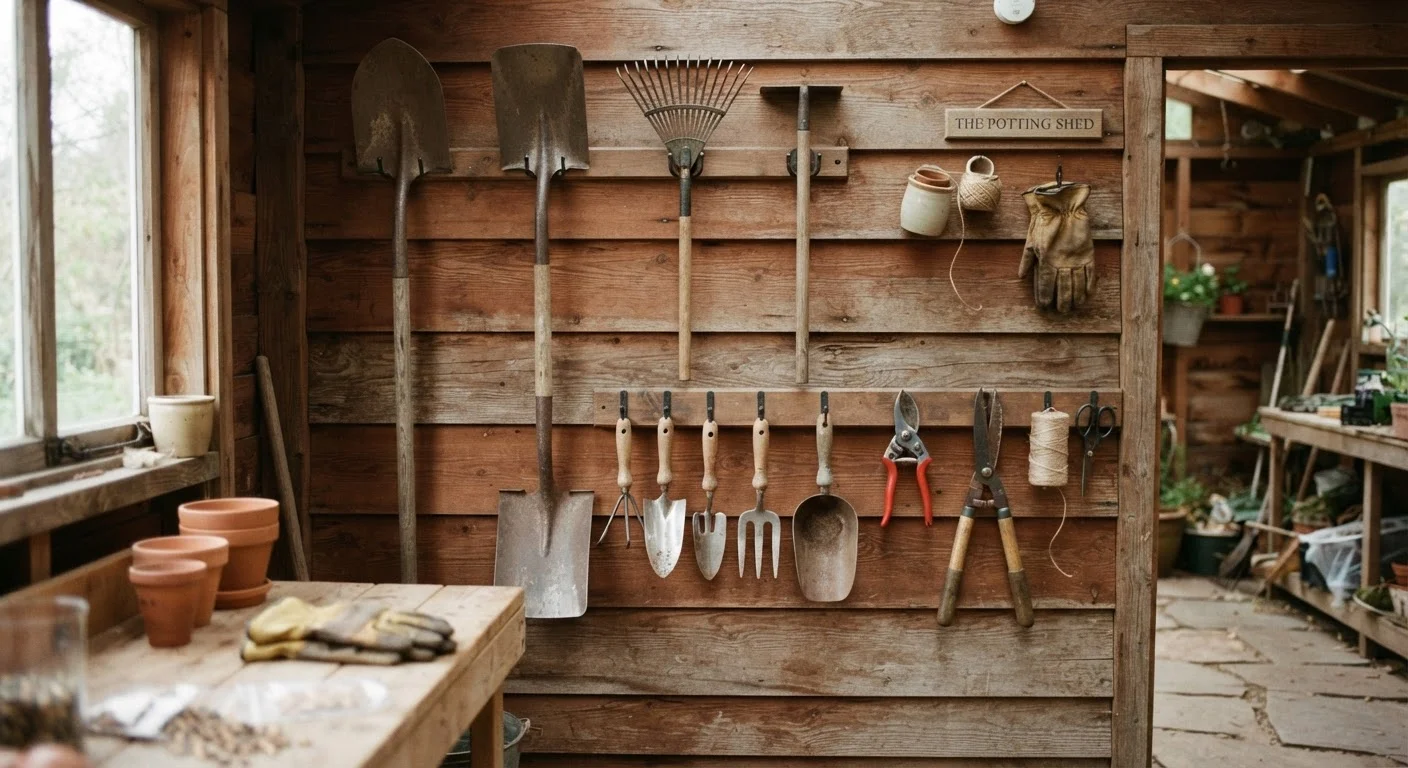
Photo credit: ArticlesHaven.net
In this article
Clean, sharp, and rust-free tools make every gardening task easier. A practical routine for caring for shovels, pruners, and more.
Key Takeaways
- Cleaning soil off tools after each use prevents rust and extends their lifespan significantly.
- Sharpening cutting tools like pruners and hoes improves efficiency and reduces plant damage.
- Oiling metal parts and wooden handles protects against moisture and cracking.
- End-of-season storage prep is the single most impactful maintenance step you can take.
Why Tool Maintenance Pays Off
Neglected tools don't just frustrate - they cost money. A shovel caked with soil corrodes faster. Dull pruners tear stems instead of cutting cleanly, which can introduce disease to plants. A cracked handle on a spade is a safety risk. Routine maintenance sidesteps all of this.
The good news is that keeping tools in working shape doesn't require much time or specialized equipment. Most of what you need - a stiff brush, a sharpening file, some linseed oil - costs very little and lasts for years. Think of it as a simple habit rather than a project.
If you're also tracking other home upkeep, a home maintenance log is a practical way to note when tools were last sharpened or oiled, so nothing falls through the cracks.
10+ years
Lifespan of well-maintained hand tools
Quality steel garden tools that are cleaned, sharpened, and stored properly can remain serviceable for a decade or more, compared to a few seasons for neglected equivalents.
~30%
More force needed with dull cutting tools
Ergonomics research on hand tool use consistently finds that dull blades require meaningfully more user effort, increasing fatigue and the risk of repetitive strain.
Core Maintenance Practices
The following practices apply to the most common garden tools - digging tools, cutting tools, and long-handled implements. Adjust frequency based on how often you garden and what conditions you're working in.
Clean tools thoroughly after every use
Soil left on metal surfaces traps moisture and accelerates rust. Removing dirt immediately takes under a minute and dramatically extends a tool's useful life. It also keeps pathogens from one part of the garden from spreading to another.
Sharpen cutting and digging edges at least once per season
Sharp tools require less force, which reduces fatigue and gives you more control. For pruners and loppers, a clean cut also limits the entry point for plant diseases. Dull hoes and spades make heavy work out of straightforward tasks.
Oil metal surfaces to prevent rust
A thin coat of oil creates a barrier against moisture, which is the primary cause of rust on carbon-steel tools. This matters especially if tools are stored in a shed with variable humidity.
Condition wooden handles with linseed oil
Untreated wood dries out, cracks, and eventually splinters - making handles uncomfortable and potentially unsafe. Raw linseed oil penetrates the wood grain and keeps it supple, extending handle life by years.
Store tools off the ground in a dry location
Resting metal heads directly on concrete or soil wicks moisture and speeds up corrosion. Hanging tools or using a wall-mounted rack also reduces clutter and makes it easier to grab what you need.
Inspect and tighten or replace fasteners regularly
Loose rivets, bolts, or screws in pruner handles and adjustable tools reduce control and can lead to injury. A quick check before each season catches problems before they become hazards.
Seasonal Checkpoints
Beyond after-use habits, two moments in the gardening calendar matter most for tool care.
Spring: Before the growing season begins, inspect every tool. Check handles for splinters or cracks, test the edge on cutting tools, and remove any rust that built up over winter. The Spring Garden Readiness Checklist includes a dedicated tool inspection step as part of broader season prep.
Fall: This is when most damage is prevented. Clean everything thoroughly, sharpen blades, oil metal and wood, and store tools in a dry space. The Fall Garden Cleanup Checklist walks through this alongside bed prep and plant protection tasks.
For a broader view of how tool care fits into year-round home upkeep, see the Seasonal Home Maintenance guide.
A Simple End-of-Season Routine
Before putting tools away for winter, set aside an hour to clean, sharpen, and oil everything at once. Work through tools one by one: brush off soil, file any cutting edges, wipe metal with oil, and condition wooden handles. Done once in the fall, this routine means your tools are ready the moment spring arrives.
Quick Wins You Can Act on Today
If your tools have been sitting neglected since last season, start small. You don't need to overhaul everything at once - pick the tools you use most and work through them one at a time.
Once your tools are in good shape, pair that with good gardening inputs. Check out Compost, Mulch, and Fertilizer to make sure your soil prep matches your effort. And if you're weighing whether certain tasks need power equipment, Hand Tools vs. Power Tools offers a straightforward comparison.

Author
Articles Haven Editorial Contributor
Articles Haven Editorial Team is the collective byline for our editorial team and contributor network. Articles published under this byline or an editorial pen name are researched, written, and reviewed according to our editorial standards for clarity, consistency, and independence before publication.
View all articles →