
The Fundamentals of Landscape Design for Non-Designers
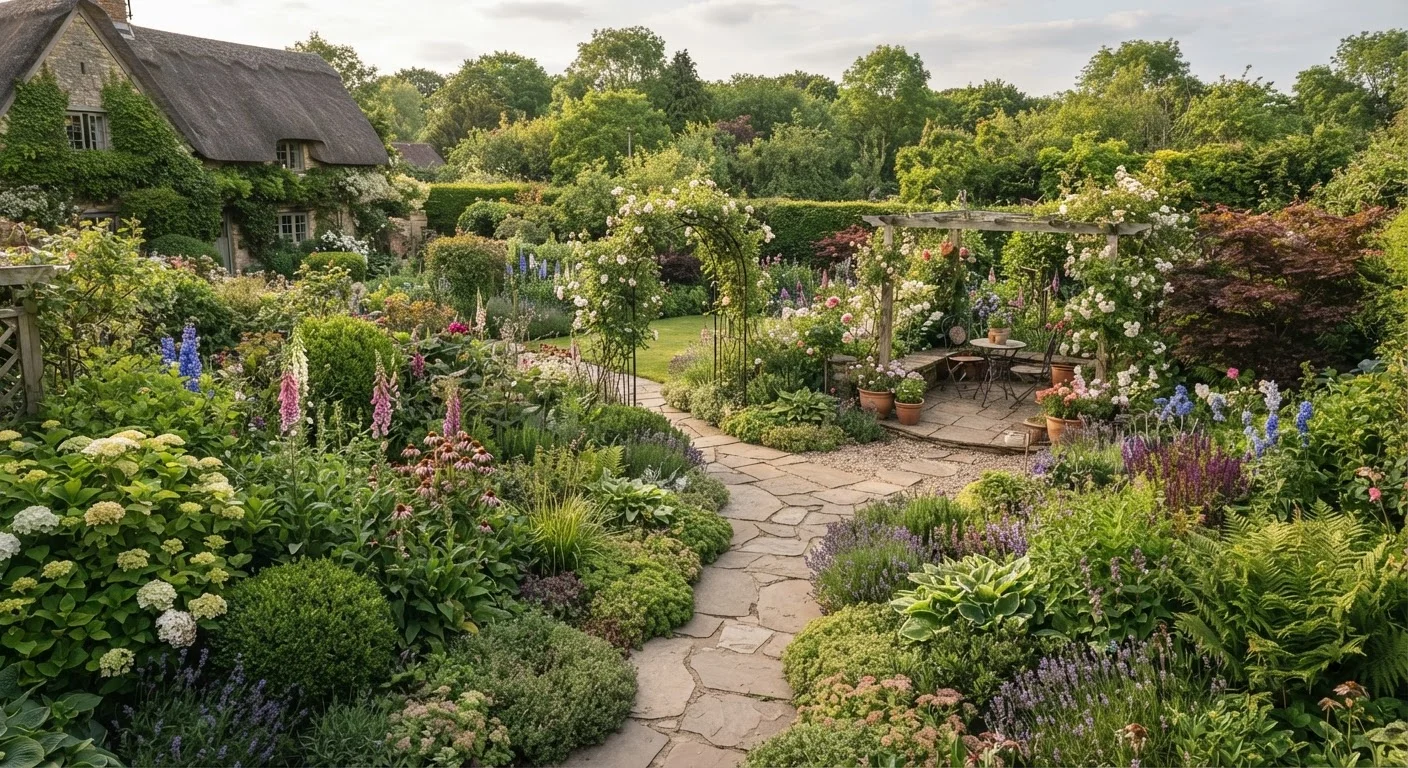
Photo credit: ArticlesHaven.net
In this article
Scale, balance, focal points, and color flow are principles anyone can apply. A practical introduction to thinking like a landscape designer.
Key Takeaways
- Landscape design relies on a handful of repeatable principles - scale, balance, focal points, and color flow.
- You don't need professional training to apply these ideas; observation and planning go a long way.
- Matching plant size to your space prevents the most common landscaping mistakes.
- A single strong focal point gives any garden instant visual coherence.
- Mixing textures and bloom times extends interest across multiple seasons.
Why Design Principles Matter Even for Small Yards
Most landscaping frustration comes from the same place: plants that grew bigger than expected, spaces that feel cluttered, or a yard that looks like a collection of purchases rather than a cohesive design. The fix isn't necessarily spending more - it's thinking before planting.
Landscape designers use a set of well-established principles that translate directly to everyday decision-making. These aren't aesthetic opinions; they're organizational tools that help your eye move comfortably through a space. The good news is that they're learnable without any formal training.
Before diving into specifics, it also helps to understand your site conditions - sun exposure, soil type, drainage patterns - because good design always works with what you have, not against it. See our guide on how drainage and slope factor into landscaping before committing to any major layout changes.
Scale
The size relationship between plants, structures, and the surrounding space. A plant or feature that is appropriately scaled fits visually without overwhelming or disappearing into its setting.
Balance
The distribution of visual weight across a landscape. Symmetrical balance mirrors elements on each side of a center line; asymmetrical balance matches different elements of similar visual weight.
Focal point
A single, dominant element in a garden that anchors the eye and gives the space a visual center of gravity. It draws attention and prevents a design from feeling scattered.
Flow
The way a viewer's eye or body moves through a landscape. Good flow is created by repeated elements, paths, and transitions that guide rather than confuse.
Texture
The visual quality of plant surfaces and forms - fine, medium, or coarse. Mixing textures adds depth and interest even when color is limited.
Hardscape
Non-plant elements in a landscape such as paths, patios, walls, and fences. Hardscape provides structure and year-round visual interest independent of plant growth.
Scale, Proportion, and Balance
Scale is the relationship between plant or element size and the surrounding space. A 40-foot shade tree overhangs a small townhouse lot; a row of 12-inch ornamental grasses disappears in front of a two-story colonial. Neither is wrong in isolation - both are wrong for the context.
When selecting plants, check mature height and spread, not just the nursery tag size. A shrub labeled "3 feet tall" at purchase may reach 8 feet at maturity. Give plants room to grow, and your design will hold up for years rather than needing constant pruning to stay manageable.
Balance describes how visual weight is distributed. Symmetrical balance - identical plants on each side of a path or door - reads as formal and ordered. Asymmetrical balance uses different elements of similar visual weight, like a medium tree on one side offset by a cluster of smaller shrubs on the other. Either approach works; choose based on the architectural style of your home.
Check Mature Size Before You Buy
Always read the full plant tag, not just the current nursery size. Most landscaping regret comes from plants that outgrow their space within three to five years. A quick online search for a plant's mature dimensions takes under a minute and can save years of aggressive pruning.
Focal Points and Flow
A focal point is a single element that anchors the eye. Without one, a yard feels scattered. With one, even a simple planting scheme feels resolved. Common focal points include specimen trees, garden ornaments, a distinctive planting bed, or an architectural feature like a pergola.
Placement matters. Position focal points where they're visible from key vantage points - the front door, a main window, or the end of a garden path. Resist the urge to add multiple competing focal points; one strong anchor is more effective than three weak ones.
Flow is how the eye and body move through a space. Curved paths feel relaxed and exploratory; straight paths feel direct and formal. Repeating a plant species or color at intervals creates a visual rhythm that pulls a viewer naturally through the garden. This principle connects closely to how layout decisions shape the overall garden experience.
Avoid the "Collection" Trap
Buying one of everything that catches your eye leads to a yard that looks busy rather than designed. A space with twelve different shrub species tends to feel cluttered even if each plant is attractive on its own. Repeating three to five plants in groupings creates visual unity far more effectively than variety for its own sake.
Color, Texture, and Seasonal Interest
Color is the element most gardeners focus on first, but texture often does more work. A mix of fine, medium, and coarse leaf textures creates visual complexity that holds interest even when nothing is in bloom. Pairing the feathery fronds of ornamental grasses with the bold leaves of coneflowers is a simple, high-impact combination.
For color, a limited palette - two to three hues that either contrast or relate on the color wheel - is easier to manage than a rainbow approach. Warm colors (reds, oranges, yellows) advance visually and energize a space; cool colors (blues, purples, whites) recede and feel calming. Use warm tones near gathering areas and cool tones in areas meant for relaxation.
Seasonal interest requires planning across bloom times. For year-round appeal, layer spring-blooming bulbs under summer perennials, add fall foliage plants, and keep a few evergreens for winter structure. For a deeper look at balancing plant types over time, our guide on annuals vs. perennials covers how to weigh cost and maintenance against color reliability.
Color Fades; Structure Stays
Flower color is temporary - blooms last weeks, not months. The bones of your landscape - evergreen structure, plant form, and hardscape - are what you'll look at for most of the year. Investing in good structure first means your garden looks intentional even in the off-season, regardless of what's blooming.
Practical Starting Points for Non-Designers
The best first move is a simple site sketch - no drafting skills required. Walk your yard and draw a rough overhead view, noting sun patterns, existing trees, structures, and drainage low spots. This becomes your working document and prevents expensive mistakes.
From there, prioritize one area at a time rather than tackling everything at once. A single well-designed bed near the front entry has more impact than scattered improvements across the whole yard. Once that area feels resolved, expand outward.
Some projects will eventually raise the question of professional help versus DIY - particularly anything involving grading, large tree removal, or retaining walls. Our article on when to DIY landscaping and when to call a professional provides a realistic framework for that decision. For everything else, the principles covered here are enough to make meaningful, confident improvements on your own timeline and budget.
Garden Layout Planning Guide
Covers practical layout approaches - from square-foot methods to row planting - that directly affect how easy your landscape is to maintain and access.
Annuals vs. Perennials Planner
Helps you balance color, cost, and low maintenance by understanding when to use annuals for reliable seasonal color and perennials for long-term structure.
Landscape Sketch Template
A simple overhead-view template for sketching your yard's existing conditions - useful before purchasing any plants or hardscape materials.
Frequently Asked Questions

Author
Articles Haven Editorial Contributor
Articles Haven Editorial Team is the collective byline for our editorial team and contributor network. Articles published under this byline or an editorial pen name are researched, written, and reviewed according to our editorial standards for clarity, consistency, and independence before publication.
View all articles →