
Starting a Vegetable Garden from Scratch
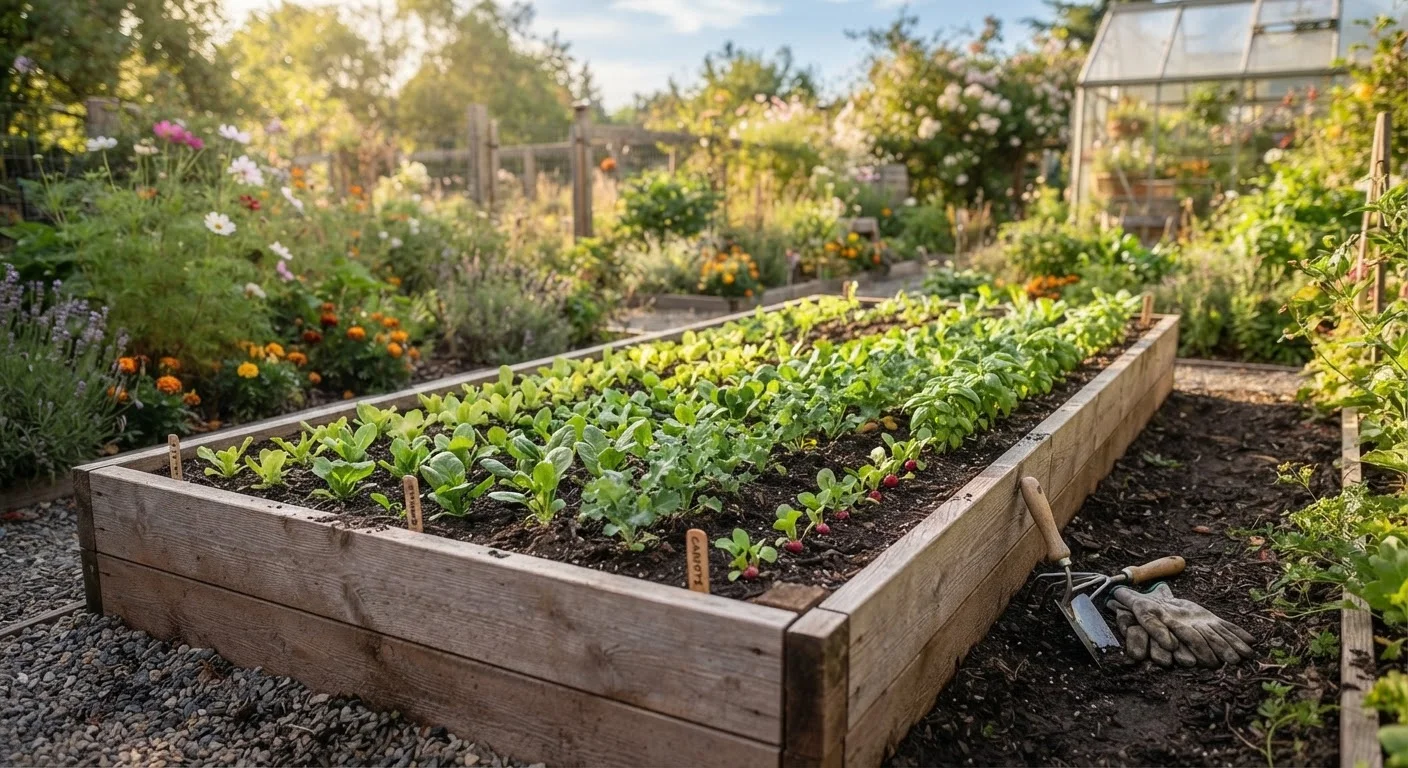
Photo credit: ArticlesHaven.net
In this article
A grounded introduction to growing your own vegetables—covering site selection, soil prep, plant choice, and first-season expectations.
Key Takeaways
- Six or more hours of direct sun daily is the single most important site requirement for most vegetables.
- Soil quality matters more than garden size - amending with compost before planting pays dividends all season.
- Beginners succeed faster by starting small and choosing fast-maturing, forgiving crops.
- Consistent watering, especially during germination, is where most first-season gardens succeed or fail.
- Your first year is a learning exercise - imperfect harvests are still useful data for year two.
Choosing the Right Site
Before you buy a single seed packet, walk your yard at different times of day and watch where sunlight actually falls. Most vegetables need a minimum of six hours of direct sun - eight is better for fruiting crops like tomatoes, peppers, and squash. Leafy greens tolerate less, but even they struggle in full shade.
Avoid low-lying spots where water pools after rain. Waterlogged soil suffocates roots and invites fungal disease. Flat or gently sloping ground with good drainage is ideal. Proximity to a water source matters too - hauling a heavy hose across the yard gets old fast.
If your in-ground options are limited by shade or poor drainage, a raised bed is worth considering. Raised beds let you control soil quality from the start and warm up faster in spring. If space is very tight, container gardening is a legitimate alternative that can fit a balcony or small patio.
Start Smaller Than You Think
A common beginner mistake is overestimating how much space and time a garden requires. A 4x8 raised bed or a modest 10x10 patch is genuinely enough to learn from and still produce real food. You can always expand in year two once you understand what your particular site and schedule demand.
Preparing and Understanding Your Soil
Soil is where most first-time gardeners either invest wisely or set themselves up for frustration. Native soil in most American yards ranges from sandy (drains too fast) to clay-heavy (compacts, stays wet). Either extreme needs amendment before vegetables will thrive.
The most reliable starting move is adding compost - 2 to 4 inches worked into the top foot of soil improves drainage in clay, water retention in sand, and feeds soil biology in both. If you want more targeted guidance, an inexpensive soil test from your local cooperative extension office will tell you pH and nutrient levels so amendments aren't a guessing game.
Soil pH
A measure of how acidic or alkaline your soil is, on a scale of 0 to 14. Most vegetables grow best in slightly acidic to neutral soil, roughly pH 6.0 to 7.0.
Compost
Decomposed organic matter - food scraps, yard waste, leaves - that improves soil structure, drainage, and nutrient availability when mixed into garden beds.
Hardiness Zone
A USDA designation that maps average minimum winter temperatures across the US, helping gardeners understand which plants are likely to survive and thrive in their location.
Direct sowing
Planting seeds directly into the outdoor garden bed, as opposed to starting them indoors first. Many fast-growing crops are best direct-sown.
Transplant
A seedling started elsewhere - indoors or in a nursery - and moved into the garden bed. Tomatoes, peppers, and broccoli are commonly sold or grown as transplants.
Frost date
The average date of the last spring frost or first fall frost in your area. Knowing these dates helps you time planting so cold-sensitive crops aren't damaged.
Vegetable gardens generally do well in soil with a pH between 6.0 and 7.0. Outside that range, nutrients become less available to plants even if they're technically present. Lime raises pH; sulfur lowers it - but work gradually and retest rather than overcorrecting.
Before planting season arrives, run through the spring garden readiness checklist to make sure your bed prep, tool check, and seed inventory are squared away.
Picking Plants That Match Your Reality
Enthusiasm at the garden center is a real hazard. Exotic or challenging crops - melons, artichokes, long-season peppers - are more rewarding to experienced growers who can recognize and respond to problems quickly. For year one, lean toward fast-maturing, forgiving crops that keep your confidence intact.
Reliable beginner crops include: radishes (ready in roughly three weeks), leaf lettuce, bush beans, zucchini, and cherry tomatoes. These are productive, widely adapted across US growing zones, and tolerant of the small errors that are inevitable when you're learning.
Don't Plant Before Your Last Frost Date
Warm-season vegetables - tomatoes, peppers, squash, cucumbers - will be killed or severely set back by frost. Check your area's average last frost date before putting these crops in the ground. Planting even one to two weeks early is a gamble that frequently costs beginners an entire planting.
Match your choices to your hardiness zone and your first and last frost dates - this information is freely available from the USDA plant hardiness map and your local extension office. Planting warm-season crops like tomatoes before your last frost date is one of the most common beginner mistakes.
If you want to extend your season by starting seeds indoors, that's a whole separate process with its own timing considerations. The seed starting indoors guide covers containers, lighting, and what tends to go wrong.
Layout, Spacing, and Getting Seeds in the Ground
How you arrange plants affects yield, weed pressure, and how easily you can reach everything without compacting soil. Row planting (traditional and familiar) versus square-foot gardening (intensive, less wasted space) are the two most common approaches for home gardeners. The garden layout planning guide compares these methods practically.
Spacing matters more than beginners expect. Crowding plants reduces airflow, increases disease risk, and means roots compete for water and nutrients. Seed packets and transplant tags carry spacing recommendations - follow them, even when seedlings look tiny.
Garden Beds Shouldn't Be Walked On
Stepping on garden soil compacts it, reducing the air pockets that roots and beneficial organisms need. Design your beds so you can reach every spot from the edge - no wider than four feet if you're accessing from both sides. Permanent paths between beds reinforce this habit from the start.
For direct-sown seeds, create a shallow furrow at the depth specified on the packet, sow seeds at the recommended spacing, cover lightly, and water gently. For transplants, dig a hole slightly larger than the root ball, set the plant at the same depth it was growing (tomatoes are an exception - they can be planted deeper), firm the soil around it, and water in well.
First-Season Expectations and Common Pitfalls
Your first vegetable garden will almost certainly not go perfectly. That's not pessimism - it's how gardening works. You'll learn your soil's quirks, which pests are active in your area, and how your specific microclimate behaves. That knowledge compounds into better results in year two.
The most common first-season problems are: inconsistent watering (too much or too little), planting too densely, underestimating how fast zucchini and cucumbers produce, and ignoring pest or disease signs until they're severe. Check your garden every few days so small problems don't become big ones.
Watering consistency is especially critical during germination and during fruit set. Irregular moisture causes problems like blossom-end rot in tomatoes and bitter cucumbers - both are moisture-stress symptoms, not disease.
Keep simple notes on what you planted, when, and how it performed. Even a basic log will make next season significantly easier to plan. And if you're thinking ahead to other outdoor improvements, the broader context of home improvement planning can help you integrate garden projects with other yard priorities.
This article provides general gardening information for educational purposes. Local soil, climate, and pest conditions vary significantly - consult your local cooperative extension service for region-specific guidance.
Frequently Asked Questions

Author
Articles Haven Editorial Contributor
Articles Haven Editorial Team is the collective byline for our editorial team and contributor network. Articles published under this byline or an editorial pen name are researched, written, and reviewed according to our editorial standards for clarity, consistency, and independence before publication.
View all articles →