
The American Southwest as a Travel Destination: Terrain, Towns, and Timing
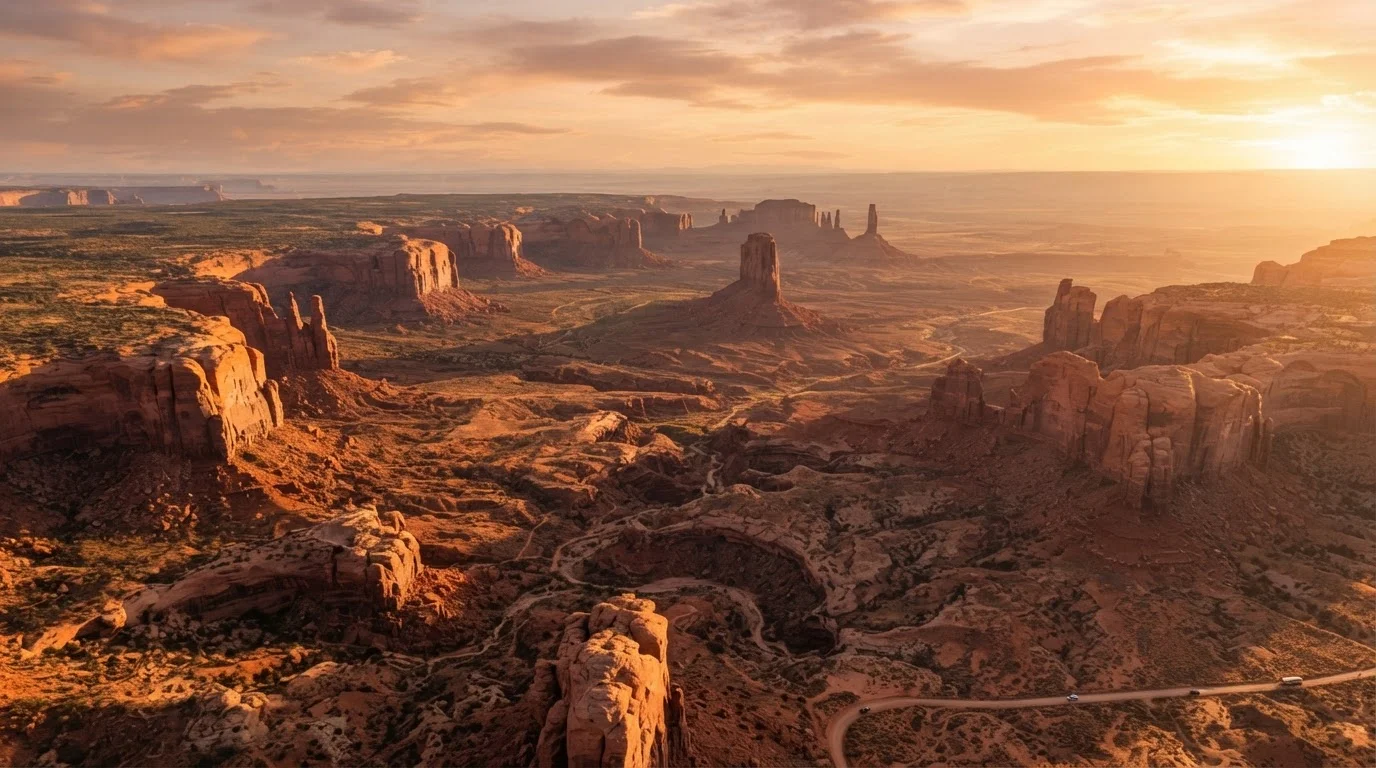
Photo credit: ArticlesHaven.net
In this article
From canyon country to desert cities, the US Southwest is expansive and varied. A regional overview of what to expect across its main areas.
Key Takeaways
- The Southwest spans five-plus states with dramatically different terrain, climate, and character.
- Desert heat is a genuine safety consideration - summer travel requires planning around temperatures.
- Gateway towns vary widely in cost, from resort-priced Sedona to more budget-accessible Flagstaff.
- Spring and fall are generally the most comfortable seasons across most of the region.
- Road tripping connects the dots most efficiently; public transit between sites is limited.
What Counts as the American Southwest
The "American Southwest" is a regional label, not a precise boundary. Broadly, it covers Arizona, New Mexico, Utah, Nevada, and parts of Colorado and California's eastern edge. Each state adds its own character - Utah's canyon systems differ sharply from New Mexico's high-desert river towns, which differ again from Nevada's basin-and-range expanse.
What unites them: an arid or semi-arid climate, geological landscapes dominated by sandstone, volcanic rock, and high plateaus, and a cultural heritage shaped by Indigenous nations, Spanish colonial history, and 19th-century frontier settlement. Travelers should expect the region to feel big - distances between points of interest are typically far longer than they look on a map.
If you're planning a multi-region trip, the national parks road trip guide covers how to sequence specific park visits across the broader West.
Major Terrain Types and What They Mean for Travelers
The Southwest isn't one landscape - it's at least four distinct ones, each requiring different gear, fitness expectations, and logistics.
- Canyon country (Utah/northern Arizona): Zion, Bryce Canyon, Grand Canyon, Canyonlands, and Arches all sit here. Hiking ranges from short paved walks to strenuous backcountry routes. Trailhead permits are increasingly required at popular sites - verify current reservation requirements directly with the National Park Service before you go.
- High desert plateau (New Mexico, northern Arizona): Elevations often exceed 5,000-7,000 feet, which means cooler temperatures than lower-desert areas and genuine winters. The Taos and Santa Fe corridor sits in this zone.
- Low desert (Sonoran, Mojave): Phoenix, Tucson, and Las Vegas all sit in or near low-desert terrain. Summers here are extreme - daytime highs routinely exceed 105°F in July and August.
- Mountain ranges and forested highlands: The Sangre de Cristo Mountains in New Mexico and the White Mountains in Arizona offer pine forests and alpine conditions, providing relief from desert heat in summer.
When visiting popular canyon parks in spring, book trailhead permits and accommodation at least three to four months out - the window between 'comfortable weather' and 'sold out' is genuinely narrow.
Demand for timed-entry permits at parks like Zion and Arches has grown significantly; last-minute planning in peak spring weeks often results in limited access to the most iconic trails.
Carry at least one liter of water per hour of planned hiking in desert terrain - and build in a buffer for hikes that run longer than expected.
Dehydration and heat-related illness are among the most common medical emergencies in Southwest national parks; rangers consistently note that visitors underestimate water needs in dry, high-elevation environments.
For travelers who want scenery without crowds, lesser-traveled road trip corridors in the region are worth researching alongside the marquee parks.
Key Towns and Urban Bases
Choosing a base town shapes your entire itinerary. The Southwest's key hubs vary significantly in cost, vibe, and access to surrounding landscapes.
277 miles
Length of the Grand Canyon
The Grand Canyon stretches 277 river miles and reaches depths of over a mile - a scale that surprises many first-time visitors expecting a single viewpoint.
5
National parks in Utah alone
Utah's five national parks - known collectively as the "Mighty 5" - represent some of the most concentrated canyon scenery in the world, all within a drivable corridor.
110°F+
Summer highs in the Sonoran Desert
Phoenix and surrounding low-desert areas regularly record temperatures above 110°F in July and August, making midday outdoor activity genuinely hazardous.
- Las Vegas, NV: The region's most-connected airport hub. Strip accommodation prices vary wildly by event calendar. Works well as an entry point for the Mojave and Utah canyon country, though it's a long drive to most canyon parks.
- Flagstaff, AZ: A college town at 7,000 feet elevation with a historic downtown. It sits on I-40, close to the Grand Canyon's South Rim and Sedona. Generally more affordable than resort-heavy alternatives.
- Sedona, AZ: Iconic red rock scenery and a well-developed wellness and resort scene. Accommodation prices run high relative to the region. Suited to couples travel - see romantic US getaway options for context on this type of destination.
- Santa Fe, NM: The region's most culturally distinct major town. Strong arts scene, Indigenous and Hispanic heritage, excellent food. Lodging is not cheap in peak season, but options exist across price points.
- Moab, UT: The launching point for Arches and Canyonlands. A small town with limited lodging inventory - book months ahead for spring visits.
Moab Books Out Months in Advance
Moab, Utah has a small lodging supply relative to its visitor demand, especially during spring. If you're planning a visit to Arches or Canyonlands between March and May, accommodation in town - including campgrounds - can fill months ahead. Flexible travelers should have backup plans or consider staying in Green River, about 50 miles west.
Timing Your Visit: Seasons and Crowds
Season matters more in the Southwest than almost anywhere else in the US, primarily because of temperature extremes.
Spring (March-May): Generally the most popular and arguably the most pleasant window across canyon country and high-desert areas. Wildflowers can appear in lower elevations from late February onward. Expect crowds and higher accommodation prices at canyon parks in April and May.
Summer (June-August): Peak season in mountain and high-elevation areas; genuinely dangerous in the low desert. Monsoon season typically arrives in southern Arizona and New Mexico in July, bringing afternoon thunderstorms that can cause flash flooding in canyon terrain.
Fall (September-November): A strong alternative to spring. Temperatures moderate, crowds thin after Labor Day, and cottonwood trees along river corridors turn yellow in October. This window is underrated.
Winter (December-February): Canyon country parks are quieter, and some trails may be icy. Low-desert cities like Phoenix and Tucson see their busiest tourism season in winter, when visitors escape colder climates.
Flash Flood Risk Is Real and Rapid
Canyon terrain in the Southwest - including slot canyons and narrow washes - can flood violently within minutes of a rainstorm that may be miles away and out of sight. This is not a theoretical risk; fatalities occur regularly. Before entering any narrow canyon or wash, check weather conditions across the entire upstream watershed, not just at your location. Heed any warnings from rangers or guide services.
Budget Considerations by Area
The Southwest spans a wide cost range depending on where you stay and what you prioritize.
Higher-cost zones: Sedona, Santa Fe peak season, Moab during spring, and any lodging within national park boundaries tends to run expensive. Las Vegas hotel prices spike dramatically around major events and conventions.
Lower-cost zones: Flagstaff, Albuquerque, and smaller towns along secondary highways offer more budget-accessible options. Camping - both developed National Park Service campgrounds and dispersed camping on Bureau of Land Management land - can dramatically reduce accommodation costs for those prepared for it.
Getting around: A rental car is effectively necessary for most Southwest itineraries. Public transit between parks and smaller towns is minimal. Factor fuel costs for long driving days into any budget - distances of 200-400 miles between major stops are common.
For broader trip planning context, the trip planning tips hub covers budgeting, packing, and travel insurance considerations relevant to any regional trip.
The BLM Land Advantage
Bureau of Land Management (BLM) public land surrounds many national parks and allows dispersed camping at no cost in most areas. For travelers with tents or overlanding vehicles, this dramatically changes the budget math. Check BLM.gov for rules specific to the area you're visiting before assuming access.
Matching Travel Style to Destination
The Southwest rewards travelers who match their itinerary to how they actually like to travel - not just a checklist of famous names.
- Active/outdoors focused: Utah's canyon parks and New Mexico's Jemez Mountains offer exceptional hiking. Difficulty levels vary considerably - always research trail conditions and carry appropriate water.
- Culture and history focused: New Mexico's Pueblo heritage sites, Santa Fe's galleries, and the many Indigenous cultural centers across the region offer a rich alternative to purely scenery-driven trips.
- Road trip style: The Southwest is one of the US's most road-trip-friendly regions. Route 66 crosses northern Arizona, and dozens of scenic byways connect smaller towns and lesser-visited landscapes.
- Relaxation oriented: Resort towns like Sedona and the greater Scottsdale area cater specifically to this style, with spa facilities and warm winters.
If you're weighing the Southwest against an international alternative, it's worth comparing the logistics and cost profile - the South America regional overview and Mexico's travel regions guide offer useful contrast for travelers still deciding on a destination.
“The desert tells a different story every hour. You have to slow down to read it.”
— Edward Abbey, American author and essayist, known for writing extensively about the American Southwest

Author
Articles Haven Editorial Contributor
Articles Haven Editorial Team is the collective byline for our editorial team and contributor network. Articles published under this byline or an editorial pen name are researched, written, and reviewed according to our editorial standards for clarity, consistency, and independence before publication.
View all articles →