
South America as a Travel Destination: Regional Differences Worth Understanding
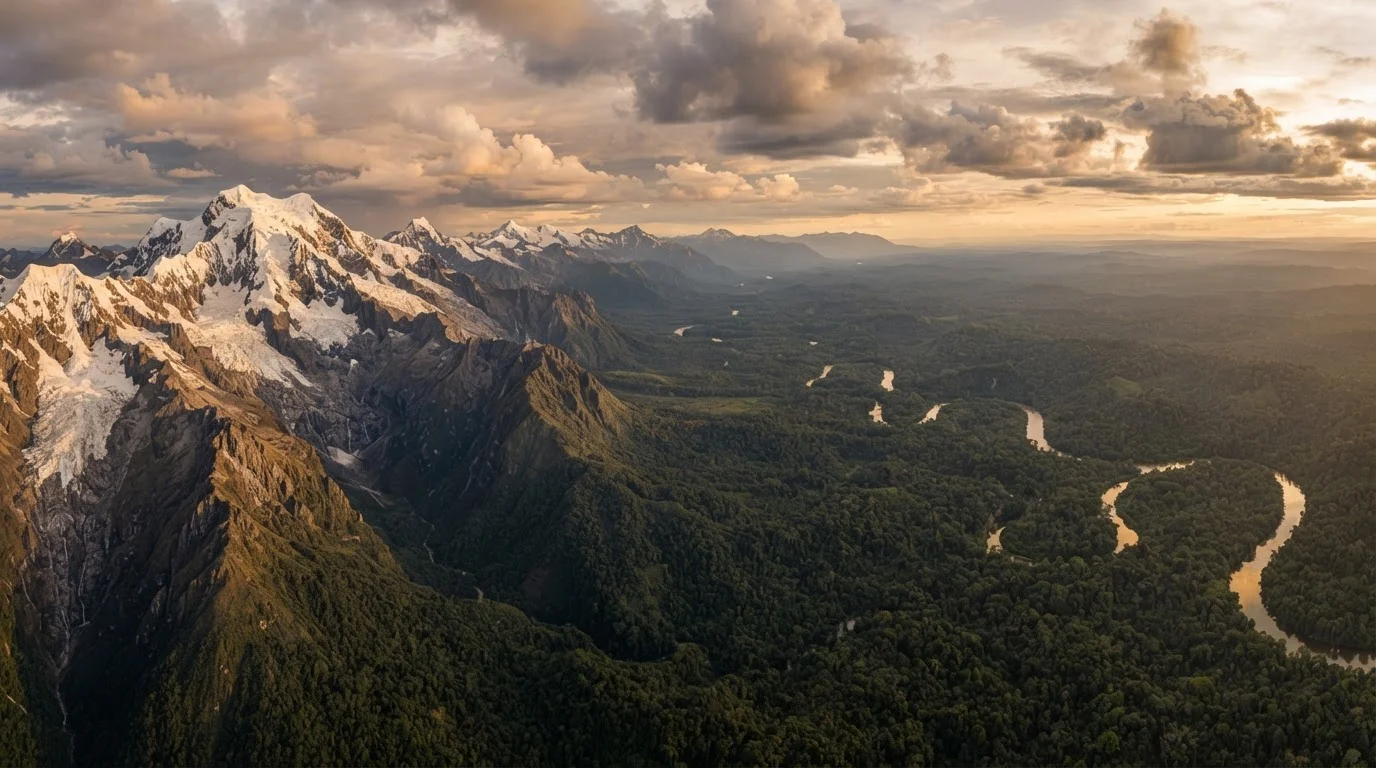
Photo credit: ArticlesHaven.net
In this article
The Andes, Amazon, Patagonia, and Atlantic coast are all "South America" — but require entirely different trip plans. A regional overview for US travelers.
Why 'South America' Isn't One Trip
Travelers who say they want to visit South America face the same challenge as someone saying they want to visit Europe - the label covers wildly different terrain, climates, budgets, and logistics. The Andes highlands, the Amazon basin, Patagonia, and the Atlantic coast each require their own planning assumptions. Treating them as interchangeable leads to poor timing, wrong gear, and missed expectations.
This reference breaks down the continent's main travel regions by what actually matters to a US traveler making decisions: weather windows, physical demands, infrastructure, and rough cost tier. For a parallel look at how a single regional label can mask distinct experiences closer to home, see Mexico's major travel regions compared.
| Countries covered | 12 sovereign nations plus French Guiana |
| Primary travel regions | Andes, Amazon basin, Patagonia, Atlantic/Caribbean coast, Southern Cone cities |
| Climate zones | Tropical, arid, temperate, polar, high-altitude |
| Altitude range | Sea level to over 22,000 ft (Andean peaks) |
| Best season for Patagonia | November-March (austral summer) |
| US passport: visa required? | Varies by country; most do not require advance visas for US citizens, but verify before travel (US Department of State travel pages) |
The Andean Region: Altitude, History, and Logistics
The Andes spine runs through Colombia, Ecuador, Peru, Bolivia, and into Argentina and Chile. This is where you find Machu Picchu, the Sacred Valley, the Bolivian altiplano, and colonial cities like Quito and Cusco. It's also where altitude sickness is a genuine planning factor - not a minor inconvenience. Arriving in Cusco (over 11,000 ft) and immediately attempting a strenuous trek is a common mistake.
Andean travel rewards patience. Budget at least two to three days for acclimatization in high-altitude destinations before physical activity. Infrastructure varies significantly: Peru's main tourist corridor is relatively developed; Bolivia's road network is more challenging. Cost tier across the Andes skews lower than North American and European travel, though tourist-focused trekking routes (especially Inca Trail permits) require advance planning and have capacity limits.
Shoulder season
The period between a destination's peak tourist season and its low season. Shoulder season often offers reduced crowds and prices with acceptable weather, though conditions vary by region.
Altitude sickness (AMS)
Acute Mountain Sickness is a physical reaction to reduced oxygen at high elevations. It commonly affects travelers arriving in Andean cities like Cusco or La Paz and typically requires acclimatization time. Consult a healthcare professional before traveling to high-altitude destinations.
Austral summer
The warm season in the Southern Hemisphere, running roughly from November through March. This is when Patagonia and the southern cone experience their most accessible weather for travel.
Visa on arrival
A travel authorization granted at the point of entry rather than arranged in advance. Availability depends on your passport and the specific country's current policy - always verify with official embassy or consulate sources before travel.
Wet season
In tropical regions like the Amazon basin, the wet season brings heavy daily rainfall that can limit access to trails, lodges, and wildlife areas. Timing varies by location within the region.
The Amazon Basin: Access, Timing, and Expectations
The Amazon is not a single destination - it's a vast, multi-country ecosystem with dozens of access points. Brazilian Manaus, Peruvian Iquitos (reachable only by air or river), and Ecuadorian jungle lodges all offer Amazon experiences, but they differ considerably in cost, wildlife density, and comfort level.
Timing matters here in ways that aren't obvious. The dry season (roughly May-October in most of the basin) means lower water levels, easier trail access, and better wildlife viewing in some areas. The wet season floods access routes but opens river channels for deeper boat travel and produces spectacular bird concentrations in other areas. Neither is objectively better - they're different trips. Vaccinations including yellow fever are recommended for many Amazon-adjacent areas; verify current health guidance with the CDC before travel. See our general guide to developing-world destination logistics for broader preparation considerations.
12
Sovereign countries in South America
Each has distinct entry requirements, currency, infrastructure, and traveler health considerations.
~40%
Of continent covered by Amazon basin
The Amazon drainage basin spans nine countries, making it the largest tropical rainforest region on Earth.
11,942 ft
Elevation of La Paz, Bolivia
La Paz is one of the world's highest capital cities, and altitude sickness is a genuine planning consideration for visitors.
Patagonia and the Southern Cone: Weather Windows and Physical Demands
Argentine and Chilean Patagonia - Torres del Paine, Los Glaciares, Peninsula Valdés - are among the most logistically demanding destinations on the continent. The window for comfortable trekking is narrow: November through March. Outside that range, trails close, weather turns severe, and services thin out dramatically.
Even within season, Patagonian weather is notoriously unpredictable. Wind gusts on the famous W-Trek in Torres del Paine can ground hikers regardless of forecast. Budget travelers can reduce costs significantly using camping rather than mountain huts (refugios), but those huts book out months in advance. Buenos Aires and Santiago function as gateway cities with strong tourism infrastructure, good flight connections from the US, and meaningful standalone appeal - they're not just layover stops.
Entry Requirements Change - Always Verify
Visa policies, vaccination requirements (including yellow fever certificates for certain Amazon-adjacent regions), and border conditions in South America can shift without much notice. Before booking, check the US Department of State's country-specific travel pages and the CDC's destination health notices. Do not rely on traveler forums as a substitute for official sources.
Seasons Are Flipped in the Southern Hemisphere
If you're planning a Patagonia or Chilean Lake District trip, remember that their summer (November-March) is your winter at home. Booking peak-season travel to southern South America often means traveling over US winter holidays - plan accordingly for flight costs and availability.
For comparison, Alaska's distinct regional travel experiences present a similar challenge of narrow weather windows and genuine remoteness.
Atlantic and Caribbean Coasts: Urban Centers and Beach Travel
Brazil's Atlantic coast - Rio de Janeiro, Salvador, Florianópolis, the Pantanal gateway cities - represents a distinct travel profile from the Andes or Patagonia. This is primarily urban and beach-oriented travel, with a cost structure closer to mid-range US travel than the budget-friendly Andean highlands. Rio in particular requires straightforward safety awareness in certain neighborhoods, similar to any major global city with income inequality.
Colombia's Caribbean coast (Cartagena, Santa Marta, Tayrona) has seen substantial tourism development and sits in a lower cost tier than Brazil. It's generally accessible year-round but has distinct wet and dry seasons. For travelers weighing coastal versus inland travel decisions, South America's coasts offer a genuinely different character than the Andean interior - not just scenery but pace, infrastructure, and what a typical day looks like.
This article provides general travel information for educational purposes. Entry requirements, health advisories, and safety conditions change; always verify current details with official government sources, including the US Department of State and CDC, before traveling.

Author
Articles Haven Editorial Contributor
Articles Haven Editorial Team is the collective byline for our editorial team and contributor network. Articles published under this byline or an editorial pen name are researched, written, and reviewed according to our editorial standards for clarity, consistency, and independence before publication.
View all articles →