
Underrated US Road Trip Routes Worth Knowing
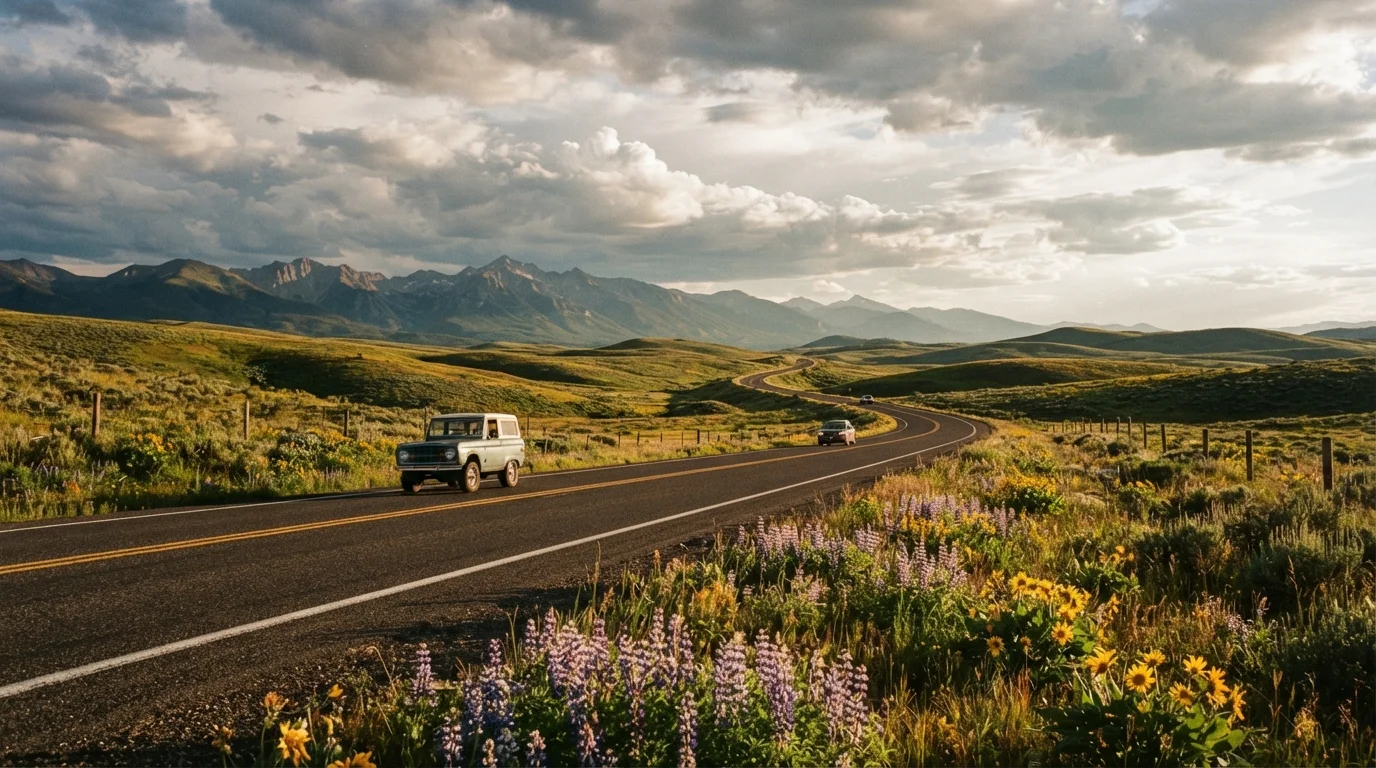
Photo credit: ArticlesHaven.net
In this article
Beyond Route 66 and the Pacific Coast Highway, these lesser-traveled American road trip corridors offer scenery, culture, and fewer crowds.
Key Takeaways
- Several US road trip corridors offer comparable scenery to famous routes with far fewer crowds.
- Season and travel style matter as much as the destination when choosing a route.
- Underrated routes often pass through smaller towns with lower accommodation costs.
- Many lesser-known routes connect national forests, state parks, and historic districts.
- Planning flexibility - not a rigid itinerary - tends to make these drives most rewarding.
Why Skip the Obvious Routes
Route 66 and the Pacific Coast Highway are genuinely great drives. They're also genuinely crowded, with peak-season traffic, booked-out lodging, and tourist pricing at every stop. For travelers who want the open-road feeling without the overhead, the US has no shortage of alternatives - routes that deliver varied landscapes, cultural texture, and logistical freedom at a lower friction point.
The routes below aren't secret. They're just underrepresented in mainstream travel coverage. Each one suits a different travel style, season, or budget profile. Before diving in, note that road conditions, gas availability, and cell service vary significantly on remote stretches - verify current conditions with state DOT resources and check weather forecasts before you go. For a full planning walkthrough, see our road trip planning guide.
Verify Conditions Before You Go
Remote US highways can involve long stretches without gas, food, or reliable cell coverage. Some routes pass through areas with seasonal road closures or construction delays. Always check state DOT websites and National Park Service alerts before departure. Travel insurance that covers trip interruption is worth considering for multi-day drives in isolated areas.
Routes Worth Putting on Your Map
The Natchez Trace Parkway (Mississippi to Tennessee)
Running roughly 444 miles from Natchez, Mississippi to Nashville, Tennessee, the Natchez Trace Parkway is a federally managed scenic corridor with no commercial vehicles, no billboards, and no traffic lights for most of its length. That makes it one of the cleanest driving experiences in the country - consistent speed limits, well-maintained pavement, and pullouts at historic sites every few miles.
The route passes through the Chickasaw homeland, Civil War sites, antebellum architecture, and old-growth forest pockets. Spring and fall are the strongest seasons. Budget travelers benefit from free camping at several parkway campgrounds. This route pairs naturally with a broader Southern regional itinerary.
No billboards, no commercial traffic - just 444 miles of federally managed scenic road.
Highway 12 Through Utah's Canyon Country
Utah's Highway 12 connects Bryce Canyon to Capitol Reef through some of the most geologically unusual terrain in the lower 48. The road passes through the Grand Staircase-Escalante National Monument, over the Hogsback ridge (a narrow spine with drop-offs on both sides), and through the small communities of Escalante and Boulder.
It's a shorter drive - roughly 124 miles - but it rewards slow travel. Most visitors passing between Zion and the national parks corridor miss it entirely. If you're already planning a multi-park western route, Highway 12 fits naturally as a connector with significant standalone scenery. Late spring and early fall are ideal; summer heat can be intense and services are sparse.
Highway 12's Hogsback ridge offers a narrow, dramatic drive that most park visitors bypass entirely.
US-2 Across the Northern Tier (Washington to Michigan)
US Highway 2 stretches from Everett, Washington to St. Ignace, Michigan - a northern route that passes through the Cascade foothills, Glacier country, the Hi-Line of Montana, North Dakota's plains, the Great Lakes region, and the Upper Peninsula of Michigan. Driving the full length is a serious multi-week commitment, but segments work well as standalone trips.
The Montana stretch alone - from Havre to the Rocky Mountain Front - is among the emptiest and most expansive drives in the country. Further east, the Upper Peninsula segment connects to what the Great Lakes regional guide describes as a genuinely overlooked Midwest travel experience. Summer is the practical window for northern segments; snow can arrive early and leave late.
US-2's Montana Hi-Line stretch offers vast, nearly empty plains driving that few travelers consider.
Texas Hill Country Loop (Central Texas)
The Hill Country between San Antonio and Austin - taking in Fredericksburg, Kerrville, Llano, and Marble Falls - works as a loop rather than a point-to-point drive. The terrain is low rolling hills, cedar and live oak, spring-fed rivers, and small German-influenced towns that settled the region in the 19th century.
This is a strong option for couples or short-break travelers. Accommodation ranges from budget motels to boutique ranches. Bluebonnet season (typically March through April, though timing varies year to year) draws more visitors, but the route holds up in fall and winter too. The Hill Country sits within the broader Southern region covered in our American South travel overview and shares some character with underrated US romantic destinations.
The Hill Country loop rewards slow driving, small towns, and spring wildflower timing.
The Loneliest Road: US-50 Across Nevada
US-50 through Nevada earned its "loneliest road" label from a 1986 Life magazine article, and the characterization holds. The route crosses the Basin and Range - a series of isolated valleys separated by mountain passes - through Austin, Eureka, and Ely, towns that feel genuinely remote. Gas stations are far apart; fuel up when you can.
For travelers who find solitude appealing rather than alarming, this drive delivers a version of the American West that contrasts sharply with national park crowds. It connects the broader Southwest region to California or Utah without interstate monotony. Spring and fall are the most comfortable seasons.
US-50 through Nevada offers stark, wide-open Basin and Range scenery with almost no traffic.
The Blue Ridge Parkway (Virginia to North Carolina)
The Blue Ridge Parkway runs 469 miles along the crest of the southern Appalachians from Shenandoah National Park in Virginia to Great Smoky Mountains National Park in North Carolina. Like the Natchez Trace, it's a federally managed, no-commercial-vehicle route designed for scenic driving. Unlike the Trace, it's better known - but still significantly quieter than most comparable Western drives.
Fall foliage along this corridor is among the most reliable in the eastern US. The road is free to drive, and there are numerous campgrounds and lodges operated by the National Park Service. Speed limits are low and the road is narrow in sections - this is not a route for drivers trying to cover distance quickly. It's ideal for those who want to move slowly through layers of mountain scenery and small Appalachian communities.
The Blue Ridge Parkway is free to drive and offers 469 miles of Appalachian ridge-top scenery.
Build in Buffer Days
Underrated routes often reveal unplanned stops - a roadside diner, an overlook, a small-town festival. Leaving one or two unscheduled days in your itinerary tends to make these drives significantly more satisfying than a rigid schedule allows. Check our trip planning tips hub for practical itinerary advice.
Choosing the Right Route for Your Trip
The right route depends on three practical questions: when you're going, how long you have, and what you actually want from a drive. Some of these corridors are best in spring or fall when temperatures are moderate and foliage is dramatic. Others are all-season or genuinely miserable in summer heat. Budget travelers will find that routes through smaller towns and rural areas stretch accommodation dollars further than coastal tourist corridors.
If your interest leans toward big landscape and fewer people, the coastal vs. inland comparison is worth reading before you commit to a region. Travelers drawn to the South can dig deeper into how its sub-regions differ with our guide to the American South as a travel region. And if any of these routes connect to national park territory, the national parks road trip planning guide offers useful sequencing advice for multi-park drives.

Author
Articles Haven Editorial Contributor
Articles Haven Editorial Team is the collective byline for our editorial team and contributor network. Articles published under this byline or an editorial pen name are researched, written, and reviewed according to our editorial standards for clarity, consistency, and independence before publication.
View all articles →