
Romantic Getaways in the US: Regional Options Beyond the Obvious
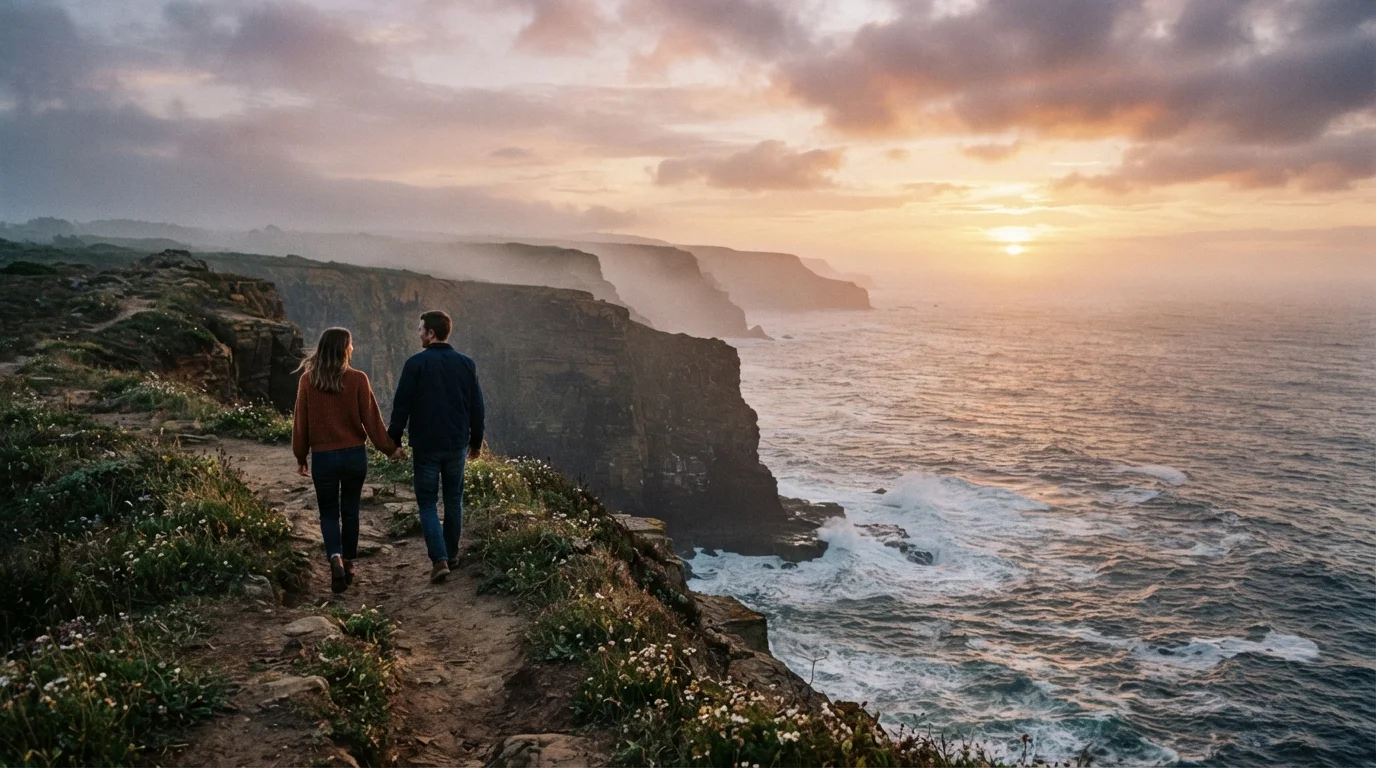
Photo credit: ArticlesHaven.net
In this article
Napa and Sedona get all the attention, but the US has a wide range of landscapes and destinations suited for couples travel. A regional look.
Key Takeaways
- Romantic US destinations vary widely by region - coast, mountains, desert, and lake country all offer distinct experiences.
- Timing and season matter as much as location when planning a couples trip.
- Budget, crowd tolerance, and travel style should shape destination choices more than reputation alone.
- Lesser-known spots often deliver comparable scenery with fewer people and lower prices.
- Many standout options involve short drives from major cities, reducing airfare entirely.
Why Look Beyond the Obvious Choices
Napa Valley and Sedona have earned their reputations - but they've also earned their crowds and price tags. For couples who want meaningful time together without fighting peak-season traffic or $400 weekend hotel rates, looking one layer deeper pays off. The US has extraordinary regional variety, and genuinely romantic destinations exist in every corner of the country, from fog-draped Pacific headlands to quiet Appalachian river towns.
The key is matching a destination to what a couple actually values: Is it privacy and nature? Walkable small-town energy? History and food culture? Outdoor adventure? Each of those profiles has a different regional home. The list below offers options across six distinct US regions, with honest notes on seasonality, budget range, and travel style fit. For context on specific regions, see our overviews of the American Southwest and the Pacific Northwest as travel destinations.
A Note on Pricing and Availability
Accommodation rates, ferry schedules, and access conditions for all destinations in this article can shift significantly by season, demand, and local circumstance. The cost and crowd-level characterizations here reflect general patterns, not guarantees. Always check current pricing and booking windows directly with providers before planning around a specific budget.
Regional Options Worth Considering
The Oregon Coast (Pacific Northwest)
The Oregon coast runs roughly 360 miles from Astoria to the California border, and most of it is publicly accessible - a rarity on the West Coast. Small towns like Cannon Beach, Manzanita, and Bandon offer a combination of dramatic sea stacks, beachside lodging, and low-key dining without the density of a resort corridor.
This region suits couples who enjoy walking, scenic drives, and casual meals over structured itineraries. Late spring through early fall offers the most stable weather, though coastal fog is common even in summer. Winter visits are quieter and less expensive, with stormy-weather appeal for couples who enjoy moody landscapes over sunshine. For more on what different parts of this region offer, see our piece on the Pacific Northwest as a trip destination.
Most of the Oregon coast is publicly accessible - scenic and walkable without a resort price tag.
The Texas Hill Country (South-Central)
Within a two-hour drive of San Antonio and Austin, the Texas Hill Country offers a genuinely different texture from either city. Small towns like Fredericksburg, Wimberley, and Gruene have cultivated a wine-trail and farm-to-table culture that lends itself to slow, unscheduled weekends. Spring wildflower season (typically March through April) is the most visually dramatic time to visit, though fall brings cooler temperatures and smaller crowds.
Couples on a mid-range budget can stay comfortably at guesthouses or small inns, eat well, and cover a lot of interesting terrain without long drives. It fits best for couples who enjoy tasting rooms, antique shops, and river swimming over structured outdoor adventure. Our regional overview of the American South situates the Hill Country within the broader Southern travel landscape.
Spring wildflower season makes the Hill Country one of the most visually striking domestic destinations.
The Finger Lakes Region (Northeast)
Upstate New York's Finger Lakes - eleven narrow glacial lakes running north-south across a roughly 100-mile corridor - offer a wine-country experience that consistently gets overlooked in favor of Napa. Seneca and Cayuga lakes have the densest concentration of wineries, and the surrounding small towns offer independent restaurants, historic inns, and hiking access to gorges and waterfalls.
Summer and early fall are the prime windows, with harvest season (September-October) particularly atmospheric. It's a strong choice for couples who want East Coast wine country without transatlantic flights or California prices. Budget range is genuinely wide - from modest B&Bs to lakeside boutique properties.
The Finger Lakes offer serious wine country and waterfall hiking - at a fraction of Napa's cost.
Pictured Rocks and the Upper Peninsula (Great Lakes)
Michigan's Upper Peninsula doesn't market itself as a romantic destination, but it quietly delivers many of the things couples seek: visual drama, remoteness, and the feeling of having found something genuinely off the beaten path. The Pictured Rocks National Lakeshore - sandstone cliffs rising above Lake Superior - is visually striking in a way that photographs don't fully capture. Nearby towns like Munising are small and functional rather than polished, which keeps costs low.
Summer is the clear window (late June through early September), given the region's northern latitude. It suits couples comfortable with driving, basic amenities, and outdoor-centered days. Our guide to the Great Lakes region beyond Chicago covers this area in more depth.
Pictured Rocks delivers dramatic Lake Superior scenery at a small-town budget, largely undiscovered by mainstream travel.
The Gulf Islands of Mississippi and Alabama
Horn Island, Dauphin Island, and the Gulf Islands National Seashore in Mississippi and Alabama offer white-sand beaches and clear green water that rival Florida - with a fraction of the development. Some islands are accessible only by ferry or private boat, which naturally limits crowds. Dauphin Island in Alabama is the most accessible starting point for couples who want a mix of beach access, birding, and low-key coastal town atmosphere.
Spring and fall are generally the most comfortable, avoiding both summer heat-humidity and winter storm risk. Budget-wise, this region is among the most affordable coastal options in the country. It suits couples who prioritize natural quiet over amenities and entertainment infrastructure.
Alabama and Mississippi's Gulf Islands offer genuine coastal beauty with almost none of Florida's foot traffic.
The San Juan Islands (Washington State)
Reachable by Washington State Ferry from Anacortes, the San Juan Islands feel genuinely removed from the mainland - which is most of their appeal. Orcas Island and San Juan Island each have distinct characters: Orcas is more forested and rugged; San Juan Island is more cultivated, with Friday Harbor serving as a small but functional town hub. Wildlife viewing (orca pods, bald eagles, harbor seals) is credible here rather than incidental.
Late spring through early fall is the prime season. Accommodation options are limited and book up quickly, particularly on summer weekends - planning ahead matters. Cost tends to run moderate to high, but the combination of ferry travel, scenery, and genuine remoteness makes it a distinctly different domestic experience for couples used to resort-style trips.
Arriving by ferry and waking up to orca sightings makes the San Juans feel like a different country entirely.
Shoulder Season Is Usually the Right Call
Most of these destinations hit their sweet spot in May-June or September-October rather than peak summer. Crowds thin out, accommodation prices often drop 20-30%, and the light and temperatures tend to be more cooperative. If your schedule has any flexibility, avoiding the July-August peak is one of the simplest ways to improve a couples trip without changing the destination.
If you're open to a road-based itinerary, several of these destinations can be combined - pairing, say, the Gulf Islands with New Orleans or the Finger Lakes with the Catskills. Our guide to underrated US road trip routes covers corridors that work well for couples who prefer driving to flying.
How to Choose What's Right for You
No destination on this list is universally right. A mountain cabin in winter is romantic to one couple and miserable to another. Before booking, it's worth aligning on a few basics: preferred temperature range, appetite for outdoor activity, tolerance for remote locations, and - honestly - budget ceiling per night. Shoulder seasons (spring and fall) tend to offer the best balance of weather, availability, and price across nearly every US region. For couples drawn to the South's mix of food, history, and landscape, our regional breakdown of the American South as a travel destination is worth reading before committing to a specific city or town.
Travel conditions, pricing, entry requirements, and seasonal access can change. Always verify current details with official sources, accommodation providers, and local tourism boards before booking.

Author
Articles Haven Editorial Contributor
Articles Haven Editorial Team is the collective byline for our editorial team and contributor network. Articles published under this byline or an editorial pen name are researched, written, and reviewed according to our editorial standards for clarity, consistency, and independence before publication.
View all articles →