
Exterior Siding Materials: Vinyl, Fiber Cement, Wood, and Engineered Wood
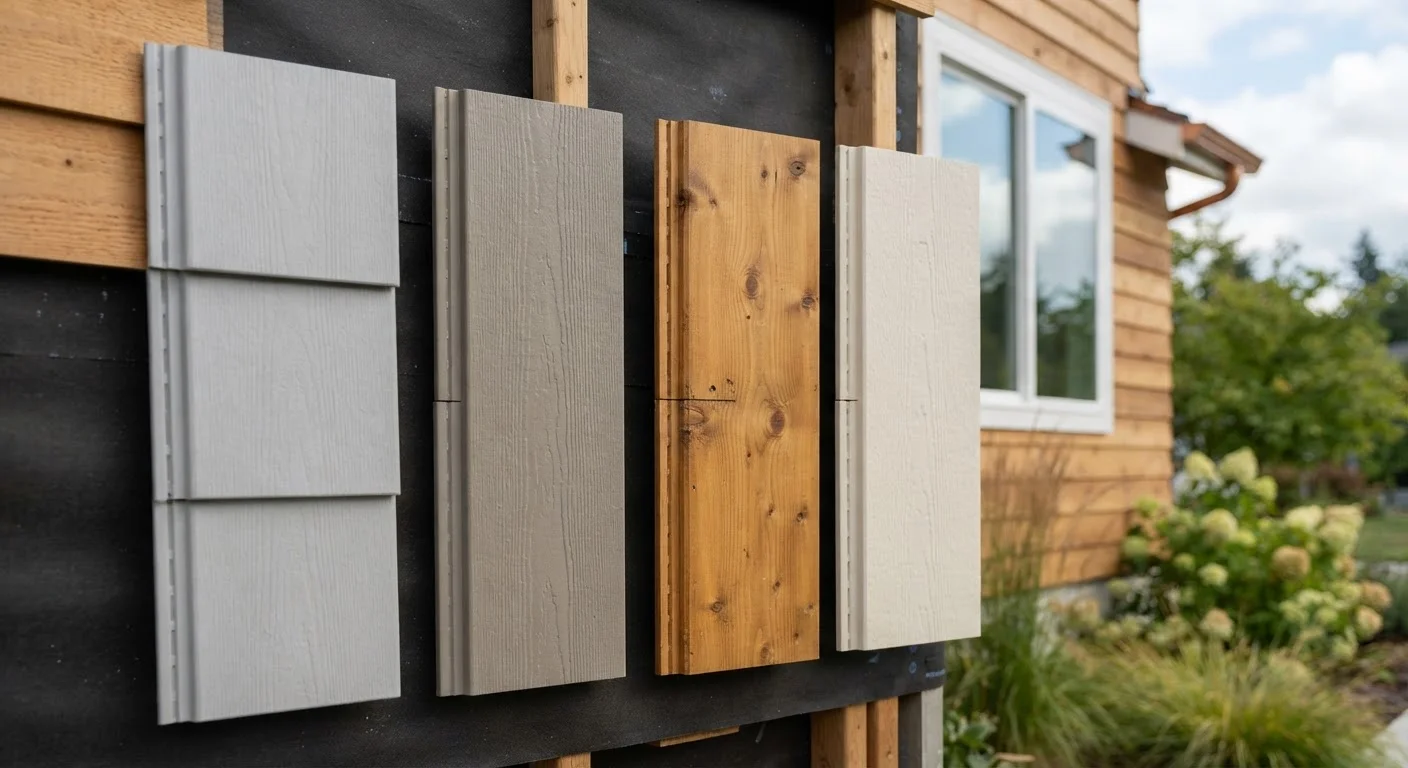
Photo credit: ArticlesHaven.net
In this article
Each siding material carries different maintenance, moisture, and longevity trade-offs. Here's a side-by-side look at the most common options.
Key Takeaways
- Vinyl siding costs least upfront and requires minimal maintenance, but can crack in extreme cold.
- Fiber cement offers strong durability and moisture resistance, but installation typically requires professionals.
- Natural wood delivers premium aesthetics but demands regular painting or staining to prevent rot.
- Engineered wood balances wood's appearance with better moisture resistance at a mid-range price point.
- Climate, budget, and DIY skill level should all factor into your siding material decision.
Why Siding Choice Matters More Than It Looks
Exterior siding isn't just about curb appeal - it's your home's primary shield against rain, wind, UV exposure, and temperature swings. The material you choose affects energy efficiency, how often you'll repaint or repair, and what happens if moisture gets behind the surface. It can also affect homeowner's insurance terms and resale value, though outcomes vary widely by region and market.
For context, siding decisions sit in similar territory to other exterior material comparisons. If you're also weighing options for outdoor surfaces, the patio and hardscape materials comparison covers analogous trade-offs for concrete, pavers, and stone. The framework is similar: upfront cost versus long-term maintenance, durability versus aesthetics.
| Vinyl | Fiber Cement | Natural Wood | Engineered Wood | |
|---|---|---|---|---|
| Typical installed cost | Lower | Moderate-High | Moderate-High | Moderate |
| Maintenance frequency | Very low | Low-Moderate | High | Moderate |
| Moisture resistance | Good | Excellent | Poor without sealing | Good |
| Fire resistance | Low | High | Low | Low-Moderate |
| DIY accessibility | High | Low | Moderate | Moderate-High |
| Aesthetic range | Moderate | High | Highest | High |
| Typical lifespan (years) | 20-40 | 30-50 | 20-40 with upkeep | 20-30 |
Vinyl: The Practical Standard
Vinyl siding dominates the US market for good reason. It's among the least expensive options per square foot installed, holds color reasonably well, and never needs painting. Routine care is mostly limited to occasional hosing down. Most homeowners can handle minor repairs themselves - replacing a damaged panel is straightforward with basic tools.
The downsides are real, though. Vinyl can become brittle and crack in sustained subfreezing temperatures. It can also warp if exposed to intense, direct heat - including reflected heat from nearby grills or glass surfaces. Higher-end vinyl profiles have improved substantially, but thinner grades can look flat or plasticky compared to wood or fiber cement.
Don't Ignore Your Climate Zone
A siding material that performs well in mild Pacific Northwest climates may struggle in the freeze-thaw cycles of the upper Midwest or the intense humidity of the Gulf Coast. Vinyl can crack in sustained cold; natural wood swells and rots in high-humidity environments; even fiber cement requires proper paint maintenance to resist moisture intrusion in wet climates. Always check manufacturer guidance specific to your climate zone before committing to a material.
Fiber Cement: Durability With Professional Installation
Fiber cement - a composite of cement, sand, and cellulose fibers - resists moisture, insects, fire, and rot effectively. It accepts paint well and can convincingly mimic the look of wood clapboard or shingles. Many manufacturers offer lengthy warranties, sometimes 30-50 years, though coverage conditions vary significantly by brand and product line.
The trade-offs are weight and installation complexity. Fiber cement is substantially heavier than vinyl or engineered wood, and cutting it produces silica dust that requires proper respiratory protection. Most manufacturers recommend or require professional installation to maintain warranty validity. Once installed and painted, it generally needs repainting on a cycle of 10-15 years depending on climate and sun exposure. If you're thinking about related exterior projects, exterior painting involves different prep and timing than interior work - worth understanding before you schedule that first repaint.
~28%
US homes with vinyl siding
Vinyl has consistently held the largest share of new residential siding installations in the US according to industry trade data.
10-15 years
Fiber cement repaint cycle
Fiber cement typically requires repainting every 10 to 15 years depending on climate severity and sun exposure.
Natural Wood and Engineered Wood: Aesthetics Versus Practicality
Natural wood siding - cedar, redwood, pine - delivers a warmth and texture that no manufactured material fully replicates. It takes stain and paint readily, allows for easy repairs, and is biodegradable at end of life. The catch is maintenance: without regular sealing or painting, wood is vulnerable to moisture intrusion, rot, and insect damage. In humid climates, that maintenance cycle can be demanding.
Engineered wood (composite wood products using wood strands or fibers bonded with adhesives and resins) was developed specifically to address natural wood's moisture sensitivity. It offers a wood-grain appearance at lower cost and with better resistance to swelling and rot than solid wood, though it's not fully waterproof - proper installation with flashing and caulking still matters. It's lighter than fiber cement and easier to cut, making it more DIY-accessible, though complex installations should still involve experienced contractors.
For comparison on how similar material trade-offs play out in other exterior projects, see the wood versus composite decking breakdown - the durability and upkeep patterns rhyme closely with what you'll find in siding choices. Similarly, fencing material comparisons show how wood and vinyl weigh up in another exterior application.
Check Moisture Management First
Regardless of which siding material you choose, the house wrap or moisture barrier behind the siding is what keeps water from reaching your sheathing and framing. Ask any contractor specifically how they handle the water-resistive barrier, window and door flashing, and penetration sealing - these details have a bigger impact on long-term performance than the siding brand itself. Skipping or cutting corners on moisture management is one of the most common sources of siding failures.
DIY Feasibility and What to Ask a Contractor
Vinyl and engineered wood are the most DIY-accessible siding materials - both are relatively lightweight, cut with standard tools, and are installed using concealed nailing systems that are forgiving of moderate skill levels. Fiber cement requires more caution due to weight and silica dust exposure; many homeowners opt to hire out that work. Natural wood is workable for experienced DIYers but requires careful attention to moisture management at joints, seams, and penetrations.
Before hiring any contractor, get at least three quotes and ask specifically about substrate preparation, moisture barrier or house wrap installation, and how they handle penetrations around windows and doors. Those details matter far more to long-term performance than which brand of siding is used. Also verify local permit requirements - siding replacement sometimes triggers an inspection, especially if the underlying sheathing is replaced.
The flooring materials comparison offers a useful parallel: the same pattern of weighing aesthetics, moisture resistance, and DIY feasibility applies indoors just as it does outside.

Author
Articles Haven Editorial Contributor
Articles Haven Editorial Team is the collective byline for our editorial team and contributor network. Articles published under this byline or an editorial pen name are researched, written, and reviewed according to our editorial standards for clarity, consistency, and independence before publication.
View all articles →