
Garden Fencing Options: Privacy, Aesthetics, and Practical Trade-Offs
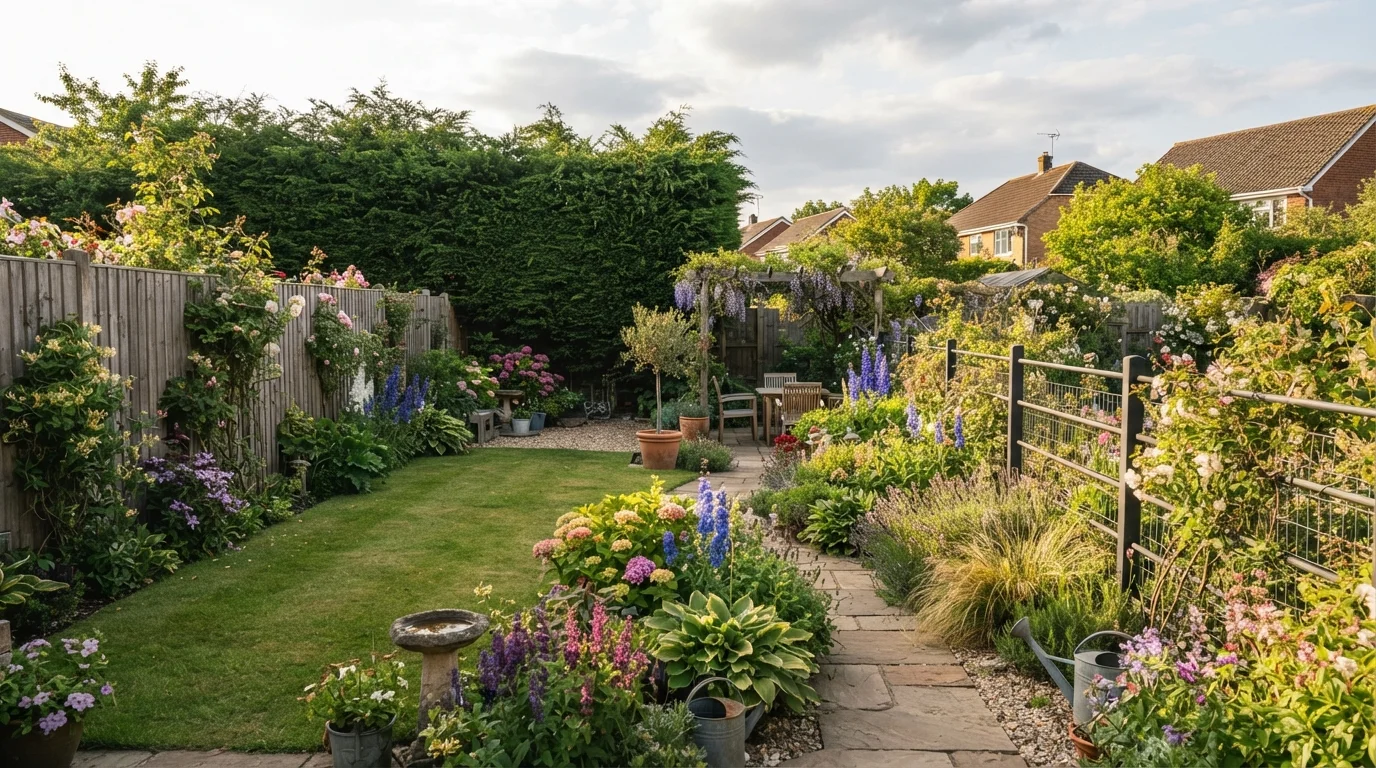
Photo credit: ArticlesHaven.net
In this article
Wood, vinyl, metal, and living hedges each meet different goals for privacy, cost, and upkeep. A side-by-side look at common fencing choices.
Key Takeaways
- Wood fencing offers flexibility and natural looks but requires regular maintenance to prevent rot and warping.
- Vinyl fencing is low-maintenance and durable but carries a higher upfront cost and limits customisation.
- Metal fencing (wrought iron or aluminum) is long-lasting and stylish but provides minimal privacy.
- Living hedges offer a natural privacy screen over time but take years to mature and need consistent care.
- Local regulations and HOA rules may restrict fence height, materials, or placement - always check before installing.
Why the Choice of Fencing Material Matters
Fencing does more than mark a property line. It shapes how a garden looks, how much privacy you enjoy, how secure your yard feels, and how much time and money you spend maintaining it year after year. The material you choose affects all of these factors simultaneously - which makes it worth thinking through carefully before committing.
This comparison covers four common approaches: wood, vinyl, metal, and living hedges. Each involves genuine trade-offs in cost, durability, visual appeal, and practical upkeep. If you're also planning the broader layout of your outdoor space, our guide on garden layout planning approaches covers how structural decisions like fencing fit into the larger picture.
| Wood | Vinyl | Metal | Living Hedge | |
|---|---|---|---|---|
| Upfront cost | Moderate | Higher | Moderate-high | Low-moderate |
| Privacy level | High (solid panels) | High (solid panels) | Low (open design) | High (when mature) |
| Maintenance demand | High (seal/paint) | Low (rinse only) | Low-moderate | Moderate (trimming) |
| Typical lifespan | 15-20 years | 20-30 years | 30+ years | Indefinite with care |
| Aesthetic flexibility | High | Moderate | Moderate | Natural, limited shapes |
| Time to full function | Immediate | Immediate | Immediate | 3-5 years |
| Eco-friendliness | Moderate (natural) | Lower (plastic) | Moderate | Highest |
Wood Fencing: Flexible but Demanding
Wood remains one of the most widely used fencing materials in the US, and its appeal is easy to understand. It's relatively affordable to install, easy to cut and shape, and can be painted or stained to suit almost any aesthetic. Cedar and redwood are naturally resistant to decay and insects, making them more durable options within the wood category. Pressure-treated pine is cheaper upfront but may require more frequent treatment over time.
The main trade-off is maintenance. Wood fences need resealing, repainting, or re-staining every few years, and they're vulnerable to moisture, rot, and insect damage if neglected. In humid climates or regions with heavy rainfall, the lifespan of an untreated wood fence can be considerably shorter than the industry-standard 15-20 year estimate.
Extend Wood Fence Life Significantly
Applying a water-repellent sealant or stain every two to three years is one of the most effective ways to extend a wood fence's lifespan. Pay particular attention to the bottom rail and post bases, which are most exposed to ground moisture. Using post caps to shed rainwater can also reduce the rate of rot at the most vulnerable points.
Vinyl Fencing: Lower Upkeep, Higher Upfront Cost
Vinyl (PVC) fencing has grown in popularity precisely because it sidesteps wood's maintenance demands. It doesn't rot, won't be eaten by termites, and generally holds its colour without repainting. A periodic rinse with a hose is usually enough to keep it looking presentable. Lifespan estimates from manufacturers often reach 20-30 years under normal conditions.
The drawbacks are cost and aesthetics. Vinyl typically costs more per linear foot to install than wood, and while it mimics the look of painted wood, many homeowners find it visually flat. It also has less structural flexibility - repairs often mean replacing entire panels rather than spot-fixing boards. For those comparing material durability across home projects, the same cost-versus-longevity dynamic shows up in our breakdown of exterior siding materials.
Metal Fencing: Durable but Limited Privacy
Wrought iron and aluminum are the most common metal fencing options for residential gardens. Both are durable and add a formal, classic look to a property. Aluminum is lighter, rust-resistant, and lower maintenance than wrought iron, making it the more practical choice for most homeowners. Wrought iron is heavier and may require rust treatment in wet climates but can last for decades with proper care.
The key limitation is privacy. Traditional metal fencing - pickets, rails, ornamental designs - provides clear sightlines in both directions. If your goal is screening the yard from neighbours or street traffic, metal alone won't achieve it without combining it with plantings or screens. Metal fencing works well for defining a boundary, keeping pets contained, or adding a decorative frame to a garden without enclosing it fully.
Check Property Lines Before Installing
Installing a fence even a few inches over your property line can create legal disputes with neighbours and may require you to relocate or remove the fence at your own cost. Before any installation, obtain a current survey or confirm boundaries with your local assessor's office. This applies to all fencing types, including living hedges.
Living Hedges: Natural Screening with Long Wait Times
Hedges made from plants like arborvitae, boxwood, privet, or holly offer a genuinely natural privacy screen that blends into the garden landscape. They provide habitat for wildlife, absorb sound, and can be more visually appealing than manufactured materials in the right setting. Some species, like fast-growing Leyland cypress, can reach screening height within a few years.
The practical challenges are significant. Establishment takes time - often three to five years before a hedge provides full privacy. Young plants need regular watering and fertilising. Mature hedges need annual trimming to stay tidy and healthy, and disease or pest damage can create gaps that take years to fill back in. If you're considering using hedges as part of a vertical growing strategy, our guide on vertical gardening structures and plant choices addresses realistic expectations for living structures. Pairing a living hedge with patio hardscaping can also create a more cohesive outdoor space - see our patio and hardscape materials comparison for related ideas.
~$1,800
Average wood fence installation cost (per 150 ft)
According to home improvement cost aggregators, basic wood privacy fence installation in the US typically ranges from $1,500 to $3,000 depending on region and material grade.
3-5 years
Time for hedge to reach screening height
Most privacy hedge species require several growing seasons before providing consistent screening, with faster-growing varieties like Leyland cypress on the lower end of that range.
Permits, HOA Rules, and Installation Considerations
Before purchasing any fencing materials, check local building codes and, if applicable, your homeowners association (HOA) guidelines. Many municipalities regulate fence height (commonly capped at 6 feet for rear yards and 4 feet for front yards), permitted materials, and setback distances from property lines. Violating these rules can mean forced removal or fines.
Installation is another variable. Wood and vinyl panels can be DIY-friendly for experienced homeowners on level ground, but slopes, rocky soil, or large perimeter runs typically benefit from professional installation. Metal fencing often requires concrete footing for posts. Living hedges need proper soil preparation and spacing planning before planting. If your outdoor project extends beyond fencing into surface materials, our hardscape materials guide covers the trade-offs in adjacent outdoor surface choices. Always verify local permit requirements before breaking ground - this is treated as home improvement work in most jurisdictions.

Author
Articles Haven Editorial Contributor
Articles Haven Editorial Team is the collective byline for our editorial team and contributor network. Articles published under this byline or an editorial pen name are researched, written, and reviewed according to our editorial standards for clarity, consistency, and independence before publication.
View all articles →