
What Garden Hardiness Zones Actually Mean for Your Yard
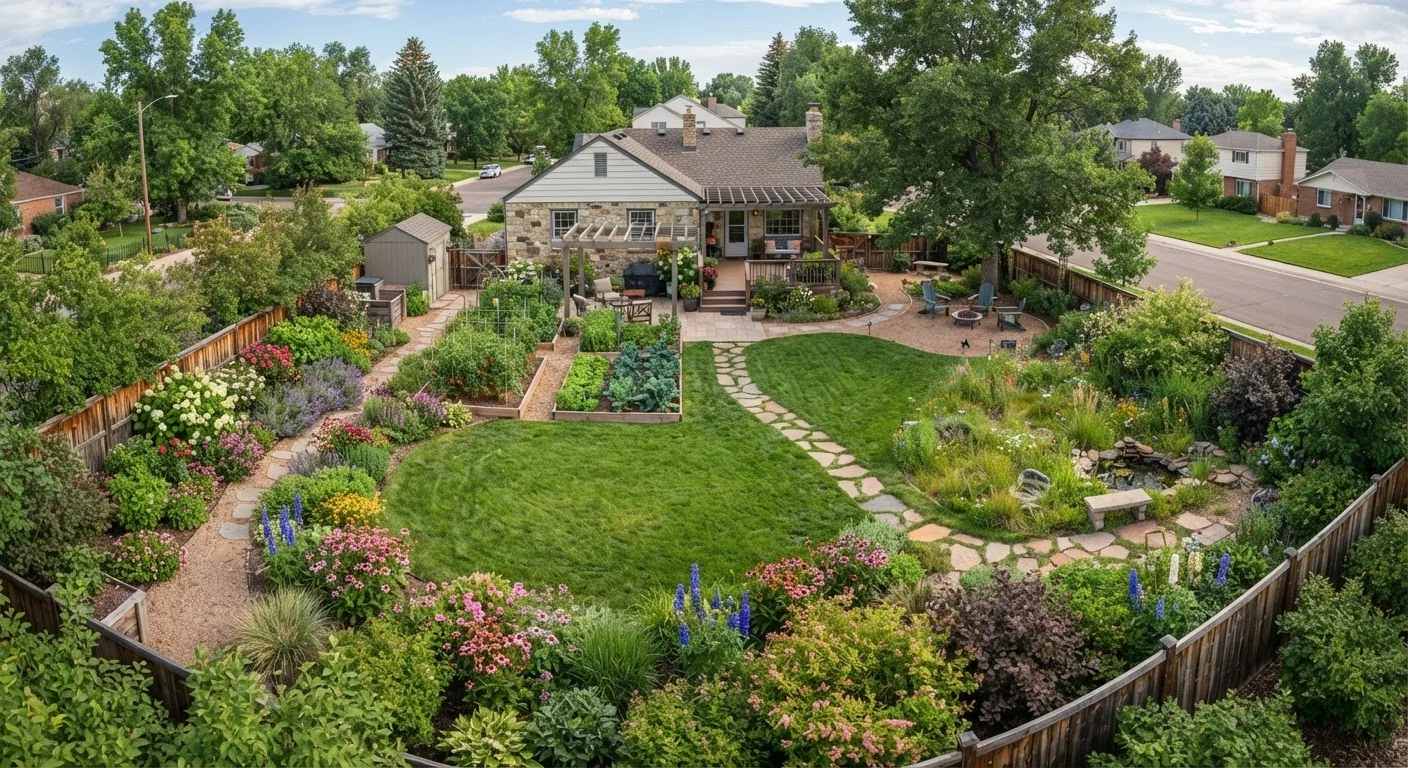
Photo credit: ArticlesHaven.net
In this article
USDA plant hardiness zones explained clearly—what the numbers represent, why they matter, and how to use them when choosing plants.
Key Takeaways
- Hardiness zones are based solely on average minimum winter temperatures, not summer heat or rainfall.
- A plant listed as 'hardy to Zone 6' should survive winters in Zone 6 and warmer, but not colder zones.
- Microclimates in your own yard-walls, slopes, pavement-can shift conditions by a full zone or more.
- Zones guide plant selection but don't replace attention to soil, moisture, and sunlight needs.
- The USDA updated its hardiness zone map in 2023, so older plant tags may reference an outdated version.
What the Zone Number Actually Represents
The number on a hardiness zone label answers one specific question: how cold does it typically get in winter? That's it. Zone 7, for example, has an average annual minimum temperature between 0°F and 10°F. Zone 5 bottoms out between −20°F and −10°F. The lower the number, the colder the winters.
This matters because winter cold is the single biggest factor in whether a perennial plant-something expected to come back each year-will survive in your yard. A lavender plant rated hardy to Zone 5 has tissues that can handle brief exposure to −20°F; plant it in Zone 4 and a hard winter may kill it outright.
What hardiness zones don't account for is just as important to understand. They say nothing about summer heat, humidity, drought, soil drainage, or the length of your growing season. A plant perfectly hardy in your zone can still fail if your summers are brutal and humid, or your soil stays waterlogged. Pairing zone information with light and exposure assessments gives you a much more complete picture.
13
Total USDA hardiness zones across the US
The USDA map spans Zones 1-13, covering all US states and territories from arctic Alaska to tropical Puerto Rico.
5°F
Temperature range per half-zone
Each half-zone (e.g., 6a vs. 6b) represents a 5°F difference in average annual minimum temperature, per USDA definitions.
~50%
Share of US that shifted zones in 2023
The USDA's 2023 map revision moved roughly half of US locations into a warmer half-zone compared to the previous 1990 map.
Microclimates: Why Your Zone Isn't Uniform
Your official zone is a regional average, and your yard almost certainly has pockets that run warmer or cooler. These are called microclimates, and they can shift effective conditions by a full zone in either direction.
- South-facing walls absorb and radiate heat, creating warmer spots suitable for marginally hardy plants.
- Low-lying areas collect cold air as it sinks on still nights, making frost hit earlier and harder than nearby elevated spots.
- Pavement and hardscape retain heat and can keep adjacent soil warmer through mild winters.
- Wind exposure accelerates moisture loss and lowers the effective temperature plants experience, even if the thermometer says otherwise.
Observing your yard through at least one full winter before making major planting investments pays off. Note where frost lingers in the morning, where snow melts first, and where water pools after rain.
Test Your Microclimate Before Planting
Place a min-max thermometer in different parts of your yard and track overnight lows during late fall and early spring. Even a few weeks of data can reveal cold pockets or warm spots that your official zone won't show. This simple step can save you from planting something marginally hardy in the coldest corner of your yard.
How to Use Zones When Choosing Plants
When you're reading a plant label or browsing a seed catalog, the zone range listed (e.g., "Zones 4-8") tells you the minimum and maximum cold conditions the plant tolerates. If your zone falls within that range, the plant is considered reliably hardy for your winters.
A few practical guidelines:
- Match or go one zone warmer than your minimum. If you're in Zone 6, plants rated to Zone 5 will handle your winters with room to spare. Planting at your exact zone boundary means the plant survives average winters, but an unusually harsh year can tip it over.
- Use zones as a starting filter, not the final word. After confirming zone compatibility, check water needs, soil preferences, and sunlight requirements. Understanding how annuals and perennials differ also shapes how much zone-hardiness even matters for a given plant.
- Check the 2023 map if you're using older references. Some nurseries and seed packets still reference the previous map. If your tags say Zone 5 but the current map places you in Zone 5b or 6a, trust the newer data.
Regional fit doesn't stop at cold tolerance. Native plants vs. exotic ornamentals is a useful comparison for thinking about how well a plant's full climate profile matches your local conditions, not just its winter minimum.
Zones Are Designed for Perennials
Hardiness zone ratings are primarily intended for woody plants and herbaceous perennials-plants expected to survive winter in the ground and return the following year. For annual vegetables and flowers, frost dates (last spring frost and first fall frost) are a more practical planning tool. Your local cooperative extension office is a reliable source for both zone information and frost date averages.
Zones as One Tool in a Larger Toolkit
Hardiness zones are genuinely useful, but experienced gardeners treat them as a starting filter rather than a guarantee. A Zone 6 rating doesn't promise a plant will thrive in your Zone 6 yard-it just means it can likely survive the winter there under normal conditions.
Soil health, drainage, and nutrient availability interact with everything you plant. Reviewing how soil pH affects what you can grow is a logical next step after settling on zone-appropriate plants, since pH determines whether plants can actually access the nutrients in your soil. Similarly, once you know what will survive your winters, planning your garden layout helps you position plants where their cold, light, and moisture needs align with what your yard actually offers.
Think of your hardiness zone as the entry requirement-necessary, but not sufficient. The plants that do best in your yard will be the ones whose full profile of needs matches not just your winter cold, but your soil, sun, and season.
Frequently Asked Questions

Author
Articles Haven Editorial Contributor
Articles Haven Editorial Team is the collective byline for our editorial team and contributor network. Articles published under this byline or an editorial pen name are researched, written, and reviewed according to our editorial standards for clarity, consistency, and independence before publication.
View all articles →