
Soil pH Explained: What It Is and Why It Changes What You Can Grow
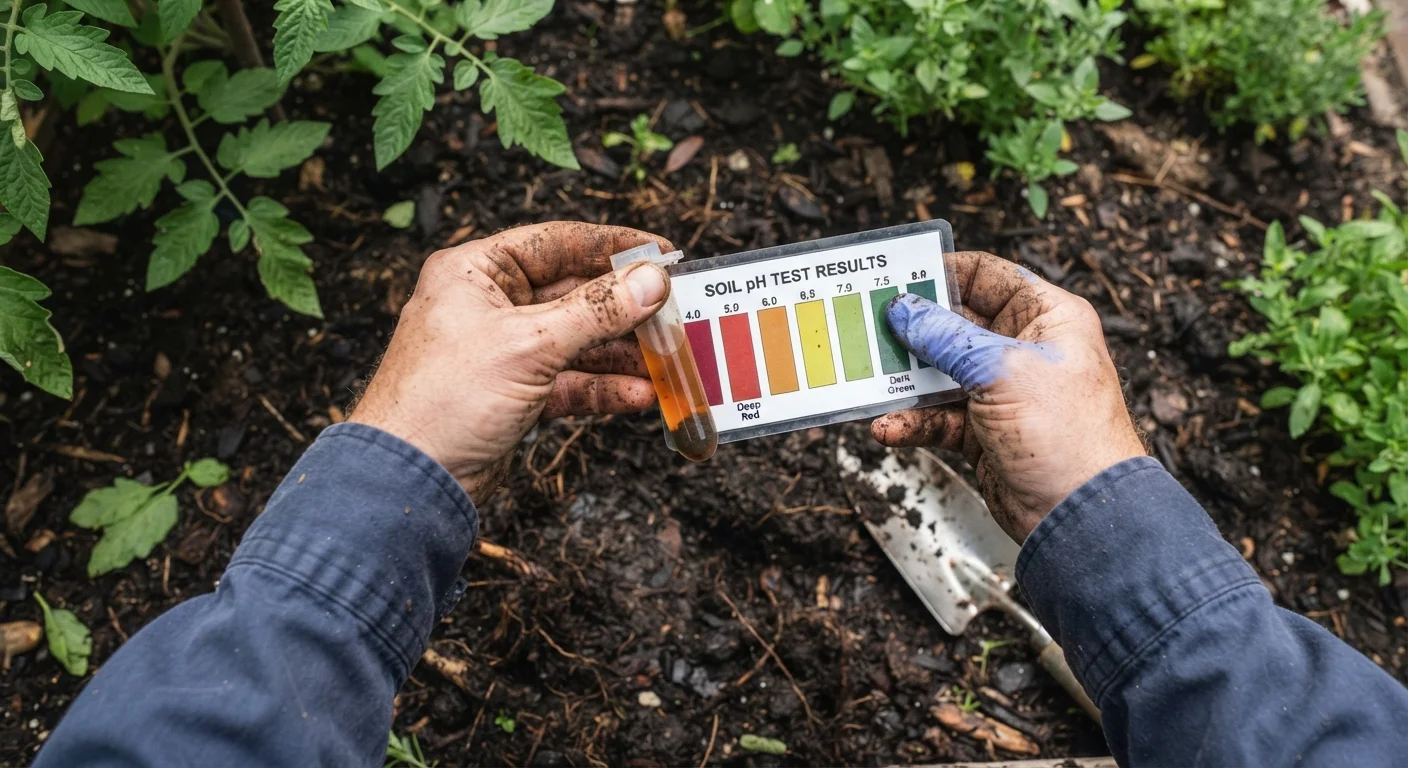
Photo credit: ArticlesHaven.net
In this article
Soil pH affects nutrient availability for every plant in your garden. Here's what the scale means and how to test and adjust yours.
Key Takeaways
- Soil pH runs on a 0-14 scale; most vegetables and flowers prefer a slightly acidic range of 6.0-7.0.
- Even nutrient-rich soil can starve plants if the pH is too far off - nutrients become chemically locked out.
- Rainfall, plant matter, fertilizers, and local geology all shift pH over time.
- A basic soil test tells you where you stand before spending money on amendments.
- Lime raises pH; sulfur and acidic organic matter lower it - but changes take time and patience.
The pH Scale and Where Most Plants Fit
The 0-14 pH scale isn't linear - it's logarithmic. That means a soil at pH 5 is ten times more acidic than one at pH 6, not just one step away. For everyday gardening, the range that matters most is roughly 5.5 to 7.5.
Here's a quick reference for common plants:
- Blueberries, azaleas, rhododendrons: pH 4.5-5.5 (strongly acidic)
- Potatoes, strawberries: pH 5.0-6.0
- Most vegetables and grasses: pH 6.0-7.0
- Lavender, asparagus, brassicas: pH 6.5-7.5
When pH drifts outside a plant's preferred window, certain nutrients - iron, manganese, phosphorus - bond with soil particles and become chemically unavailable. You can add all the fertilizer you want; roots simply can't access it. This is why understanding pH is a prerequisite, not an afterthought. See also how soil structure affects nutrient access and root health alongside pH.
6.0-7.0
Optimal pH range for most garden vegetables
This range is widely cited by land-grant university extension services across the US as the target for common food crops.
4.5-5.5
pH preferred by blueberries and acid-loving shrubs
Plants like blueberries and azaleas have evolved to thrive in conditions that would stress most other garden plants.
10x
Difference in acidity between each pH unit
Because pH is logarithmic, a soil at pH 5 is ten times more acidic than soil at pH 6 - not just incrementally different.
Why Soil pH Shifts Over Time
pH isn't fixed. Several forces push it in one direction or another, often without gardeners noticing until plants start struggling.
Rainfall and Leaching
In humid regions, rainwater naturally carries calcium and magnesium out of the upper soil layers, gradually making ground more acidic. Gardeners in the Southeast and Pacific Northwest often deal with consistently lower pH compared to those in drier, more alkaline climates like the Southwest.
Fertilizer Type
Nitrogen fertilizers - especially ammonium-based ones - acidify soil over repeated use. Organic fertilizers tend to be gentler, but compost and peat moss also lean acidic. For a broader look at how these amendments interact, understanding when to use compost vs. fertilizer helps frame the decision.
Parent Material and Local Geology
The rock underlying your region's soil sets a baseline. Limestone-rich areas tend toward alkaline soils; granite-based regions often yield acidic conditions. This is largely fixed geography - you work with it or work around it.
Plant Debris and Decomposition
Decomposing organic matter releases organic acids, gradually lowering pH in areas where leaves and mulch accumulate. Pine needles are a common example often cited in gardening circles, though their actual effect on soil pH is modest and slow.
The Pine Needle Myth
Pine needles are frequently blamed for acidifying garden soil, but research from multiple extension services suggests their actual pH impact is minimal in typical use. Fresh needles are acidic, but they decompose slowly and rarely shift soil pH significantly. If you're mulching with pine needles, don't assume it's a substitute for targeted pH management.
pH Varies by Depth
Surface soil and subsoil can have meaningfully different pH readings, especially in areas where liming has been done without thorough incorporation. Most plant roots feed in the top 12 inches, so testing and amending that layer is the priority. Deeper amendments rarely affect the active root zone quickly.
How to Test Your Soil pH
You have two practical options: a home test kit or a laboratory analysis through your local cooperative extension service.
Home test kits range from simple color-strip kits to digital meters. Strip kits give a ballpark reading and work fine for most hobby gardeners. Digital meters require calibration and regular maintenance but offer more precision over time. Neither replaces a professional test if you're dealing with persistent plant problems.
Lab testing through extension services is often low-cost and returns a detailed report - not just pH but nutrient levels, organic matter content, and specific amendment recommendations. For anyone planning a new garden bed or troubleshooting chronic issues, this is the most useful starting point.
When collecting samples, take small amounts of soil from several spots in the bed at a depth of 4-6 inches, mix them together, and test that composite sample. A single scoop from one corner won't represent the whole bed accurately.
Sample from Multiple Spots
For the most accurate result, collect soil from at least five or six different locations within the bed before mixing into one composite sample. pH can vary by half a unit or more within a small area depending on drainage patterns and past amendment applications. Your extension service can advise on the right sampling depth for your specific crops.
Adjusting pH: What Works and What to Expect
Once you know your pH, you can make targeted changes - but expect a slow process measured in months, not days.
Raising pH (Making Soil More Alkaline)
Garden lime - either calcitic or dolomitic - is the standard choice. Dolomitic lime also adds magnesium, which makes it useful if your soil test reveals a magnesium deficiency. Wood ash works similarly but is less predictable in concentration. Apply in fall, work it into the top few inches, and retest the following spring.
Lowering pH (Making Soil More Acidic)
Elemental sulfur is the most reliable option; soil bacteria convert it to sulfuric acid over several months. Aluminum sulfate works faster but can build up to toxic levels if over-applied. Acidic organic matter - composted pine bark, peat moss - lowers pH gradually while improving soil texture.
If you're gardening in raised beds, you have a meaningful advantage: you control the soil mix from the start, making pH management more straightforward. Raised beds versus in-ground planting is worth weighing if pH control is a priority for your setup.
Frequently Asked Questions

Author
Articles Haven Editorial Contributor
Articles Haven Editorial Team is the collective byline for our editorial team and contributor network. Articles published under this byline or an editorial pen name are researched, written, and reviewed according to our editorial standards for clarity, consistency, and independence before publication.
View all articles →