
Landscaping for Drought Tolerance: Principles and Plant Strategies
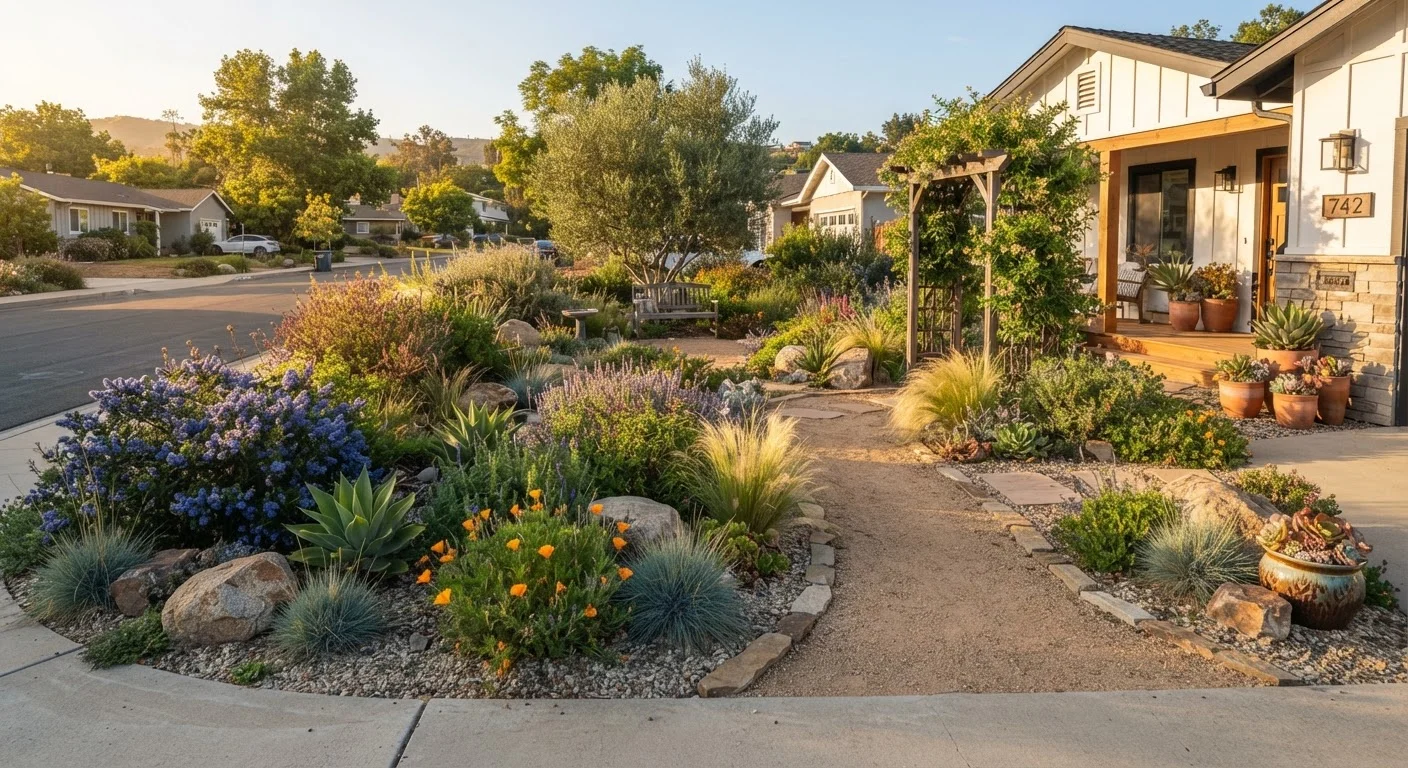
Photo credit: ArticlesHaven.net
In this article
Water-smart landscaping isn't just about cacti. Learn the design principles and plant strategies that reduce irrigation without sacrificing appeal.
Key Takeaways
- Soil preparation and organic mulch form the foundation of any drought-tolerant landscape.
- Grouping plants by water needs - called hydrozoning - dramatically reduces waste.
- Native and regionally adapted plants typically outperform exotic drought-tolerant species over time.
- Reducing turfgrass area is one of the highest-impact changes a homeowner can make.
- Drip irrigation delivers water directly to roots, limiting evaporation loss significantly.
Why Drought-Tolerant Landscaping Is More Than Plant Selection
Many gardeners approach drought tolerance by swapping existing plants for labeled "drought-resistant" alternatives - and then wonder why their water bills barely budge. The reason: plant selection is only one piece. How water moves through your soil, where it pools or drains, and how your landscape is laid out all determine whether your yard can actually get by on less irrigation.
A grounding in landscape design principles helps here - understanding how to read your space before planting is what separates a water-smart yard from one that's just dotted with cacti. Similarly, how your yard handles drainage affects whether rainfall becomes a resource or a problem; our article on landscaping and drainage covers how slope and grading factor into the equation.
The steps below walk through the core principles - from soil prep and mulching through plant selection and zone mapping - so you can build a system that works rather than a collection of individual plants that don't.
What you will need
Tools and Materials You'll Need
Most of these tasks require minimal specialized equipment. The items below cover the basics for a typical residential conversion or new planting bed design.
Soil moisture meter
Confirms actual soil moisture before watering, preventing overwatering in drought-tolerant plantings.
Organic mulch (wood chips or shredded bark)
Reduces soil moisture evaporation and moderates root-zone temperature during dry periods.
Drip irrigation kit
Delivers water directly to root zones with minimal loss to evaporation or runoff.
Garden fork or broadfork
Loosens compacted soil to improve water penetration and root establishment.
Landscape fabric (permeable only)
Suppresses weeds beneath mulch without blocking water infiltration.
Audit your yard's water use zones
Walk your property and note which areas stay consistently moist, which dry out quickly, and which fall somewhere in between. Low spots, shaded beds, and north-facing slopes hold moisture longer. South-facing slopes, areas near paving, and spots under roof overhangs tend to be reliably dry.
Sketch a rough map and label each zone: high water, moderate water, and low water. This becomes your hydrozoning blueprint - the backbone of an efficient drought-tolerant design.
Improve and amend your soil
Drought tolerance starts underground. Compacted or sandy soils shed water before roots can use it; clay-heavy soils suffocate roots and encourage fungal problems. Either extreme works against you.
For sandy soils, incorporate compost to improve water retention. For heavy clay, add compost and coarse grit to open up structure and drainage. Aim for a loamy texture that holds moisture for days - not hours - without becoming waterlogged.
Apply a deep layer of mulch
A 3-4 inch layer of organic mulch - shredded bark, wood chips, or straw - is one of the single most effective drought-management tools available. It slows evaporation from the soil surface, moderates root-zone temperature, and suppresses competing weeds that steal water.
Keep mulch pulled back an inch or two from plant stems and tree trunks to prevent rot and pest harborage.
Select plants matched to your climate zone
The most reliable drought-tolerant plants for your yard are those native to your region or adapted to a climate similar to yours. They've evolved to work with local rainfall patterns, soil chemistry, and seasonal temperature swings.
Common drought-tolerant categories by region include:
- Southwest and West: ornamental sages, penstemons, desert marigold, Apache plume
- Great Plains and Midwest: prairie dropseed, coneflowers, little bluestem grass, black-eyed Susan
- Southeast: beautyberry, wild azalea, muhly grass, yaupon holly
- Northeast and Mid-Atlantic: native sedums, wild columbine, inkberry, switchgrass
Check your local cooperative extension service for regionally validated plant lists before purchasing.
Group plants by water need (hydrozoning)
Place your high-water plants - vegetables, annuals, and water-loving perennials - closest to a water source and together in one zone. Moderate-water plants occupy the middle zone. Drought-adapted plants go in the outer zones or areas farthest from irrigation.
This arrangement means you're never over-irrigating your dry-zone plants to keep nearby thirsty plants alive. It also makes drip irrigation installation more straightforward. See our comparison of drip and sprinkler systems for help choosing the right delivery method for each zone.
Reduce or replace turfgrass strategically
Conventional lawn grasses - especially cool-season varieties like Kentucky bluegrass - are among the highest water consumers in the residential landscape. Even modest reductions in lawn area can meaningfully cut your irrigation demand.
Replacement options include low-water groundcovers (creeping thyme, buffalo grass, sedge), gravel or decomposed granite beds, or expanded planted borders. You don't have to eliminate turf entirely - but replacing high-traffic, decorative-only lawn sections is often where the gains are greatest.
Water deeply but infrequently during establishment
Even drought-tolerant plants need consistent irrigation during their first one to two growing seasons while roots establish. The critical principle: water deeply and less frequently rather than shallowly and often. Deep watering encourages roots to follow moisture downward, making plants more resilient when dry spells hit.
After establishment, most drought-adapted plants need little to no supplemental irrigation in regions that receive normal rainfall. For common misconceptions about watering habits, see our watering myths guide.
Maintaining Momentum After Year One
Once established, drought-tolerant landscapes genuinely require less work - but not zero work. Annual mulch refresh, occasional deep watering during extended dry periods, and seasonal pruning of woody perennials keep plantings healthy and looking intentional rather than neglected.
Lean on Local Knowledge
Your county's cooperative extension service or a local master gardener program can often provide free, regionally specific plant lists and soil amendment guidance. This knowledge is tailored to your actual climate - not a generic zone label - and tends to be more reliable than national gardening resources for drought planning.
Water collection can supplement irrigation during establishment. Our overview of rain barrel setups and their limitations gives an honest look at what to expect. And if you're unsure whether your plants are getting too much or too little once irrigation is dialed back, reading plant stress signals helps you respond correctly rather than guessing.
The layout decisions you make early also affect how manageable the space is over time - grouping plants thoughtfully reduces both water demand and maintenance effort season after season.
Establishment Period Is Critical
Drought-tolerant plants planted and then ignored during their first season often fail - not because they can't handle dryness, but because their root systems haven't had time to establish. Commit to consistent deep watering through the first full growing season and taper off only once plants show clear signs of healthy growth.

Author
Articles Haven Editorial Contributor
Articles Haven Editorial Team is the collective byline for our editorial team and contributor network. Articles published under this byline or an editorial pen name are researched, written, and reviewed according to our editorial standards for clarity, consistency, and independence before publication.
View all articles →