
Overwatering vs. Underwatering: Reading What Your Plants Are Telling You
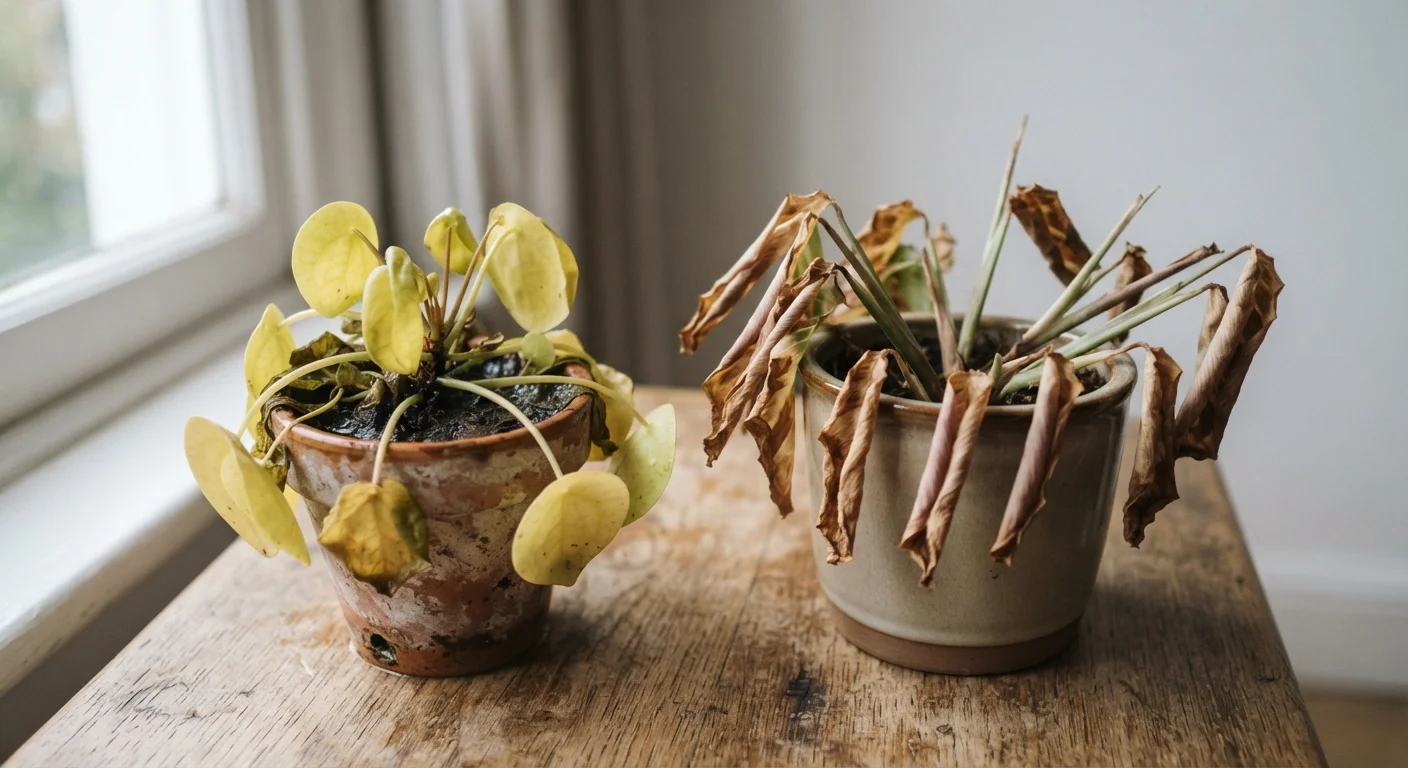
Photo credit: ArticlesHaven.net
In this article
Both problems can look surprisingly similar. Learn to read the specific signs of overwatering and underwatering so you can respond correctly.
Key Takeaways
- Overwatering and underwatering can both cause wilting, making visual diagnosis alone unreliable.
- Soil moisture - checked an inch or two below the surface - is the most reliable diagnostic tool.
- Overwatering typically damages roots over time, while underwatering stress is usually more reversible.
- Yellowing lower leaves with soft stems usually point to overwatering; crispy brown edges suggest underwatering.
- Drainage quality and pot choice matter as much as how often you water.
Why These Two Problems Are Routinely Confused
Ask most gardeners what overwatered and underwatered plants look like and they'll describe wilting - which is exactly right for both. That overlap is the core of the problem. A plant wilts when its cells lose turgor pressure, and that can happen because roots are drowning in saturated soil just as easily as it happens when soil is too dry to supply moisture at all.
The confusion causes real damage. A gardener sees a drooping plant, assumes it's thirsty, waters it generously, and accelerates the root rot that was already the underlying problem. Going in the opposite direction - withholding water from an already-dry plant because its yellowing leaves resemble overwatering symptoms - is equally common.
The fix isn't guesswork. It's developing a habit of checking soil moisture before drawing conclusions. Push a finger an inch or two into the soil near the root zone. Wet and cool means moisture is present; dry and crumbly means it isn't. That simple check resolves most diagnostic uncertainty before you touch the watering can. For more context on common watering misconceptions, it's worth examining the habits that lead to both problems.
| Criterion | Overwatering | Underwatering |
|---|---|---|
| Soil condition | Wet, dense, possibly smelly | Dry, crumbly, pulling from pot |
| Leaf texture | Soft, limp, yellowing | Dry, curled, papery edges |
| Stem condition | Mushy or dark at base | Firm but brittle in severe cases |
| Recovery speed | Slow; root damage complicates recovery | Fast; often hours after watering |
| Common cause | Fixed schedule, poor drainage | Irregular watering, heat stress |
| Root damage | High risk of rot | Minimal unless severe and prolonged |
| Pest indicator | Fungus gnats common | Spider mites in dry conditions |
Reading the Specific Signs
Once you move past wilting, the symptoms of each problem become more distinct.
Signs that typically indicate overwatering
- Yellowing leaves that feel soft or limp, usually starting on lower or older leaves first
- Stems that are mushy or dark at the base - a sign that rot has set in at the root crown
- Soil that stays wet days after watering, often with a sour or musty odor indicating anaerobic conditions
- Fungus gnats hovering around the soil surface, which thrive in consistently moist growing medium
- Brown leaf tips surrounded by yellow halos, rather than dry, crispy edges
Signs that typically indicate underwatering
- Leaves that curl inward as the plant reduces surface area to conserve moisture
- Dry, papery brown edges or tips without surrounding yellowing
- Soil pulling away from the edges of the pot, creating visible gaps
- Lightweight pot - well-watered soil is noticeably heavier than dry soil
- Rapid recovery after watering - underwatered plants often perk up within a few hours of a thorough soak
#1
Leading cause of houseplant death
Overwatering is widely cited by horticulturalists and extension services as the most common reason houseplants fail, outpacing underwatering and pests.
1-2 inches
Soil depth to check before watering
University cooperative extension programs consistently recommend checking soil moisture at 1-2 inches below the surface rather than judging by surface appearance.
If your plant wilts consistently despite regular watering, the issue may not be water quantity at all. Compacted soil, poor drainage, or heat stress can mimic underwatering closely. Tomatoes are a particularly instructive example of how multiple factors converge to produce the same symptom.
How to Correct Each Problem
Recovering from overwatering takes patience. Stop watering immediately and move the plant to a location with good airflow. If the pot lacks drainage holes, repotting into one that has them is often necessary. Remove any visibly rotted roots - they appear brown, mushy, and may have an unpleasant smell - and let the root ball dry partially before replanting. Avoid fertilizing during recovery, as stressed roots can't process nutrients effectively.
Recovering from underwatering is generally faster. Water slowly and thoroughly, allowing moisture to reach the full depth of the root zone rather than just wetting the surface. If soil has become hydrophobic (water beads on the surface and runs off), try setting the pot in a shallow tray of water for 20-30 minutes to allow bottom-up absorption before draining. Most plants show noticeable improvement within hours to a day.
Going forward, the goal is calibrated watering rather than scheduled watering. Factors like season, pot material, humidity, and plant type all affect how quickly soil dries. Irrigation systems can help maintain consistent soil moisture for outdoor beds, while indoor plants benefit most from regular soil checks.
Pot Material Affects Drying Rate Significantly
Terracotta pots are porous and allow soil to dry more quickly than plastic or glazed ceramic containers. If you tend to overwater, terracotta gives the soil more opportunity to breathe. If you often forget to water, plastic pots retain moisture longer. Matching your pot material to your watering habits reduces how often either problem occurs.

Author
Articles Haven Editorial Contributor
Articles Haven Editorial Team is the collective byline for our editorial team and contributor network. Articles published under this byline or an editorial pen name are researched, written, and reviewed according to our editorial standards for clarity, consistency, and independence before publication.
View all articles →