
Electric Vehicle Ownership: What Changes and What Stays the Same
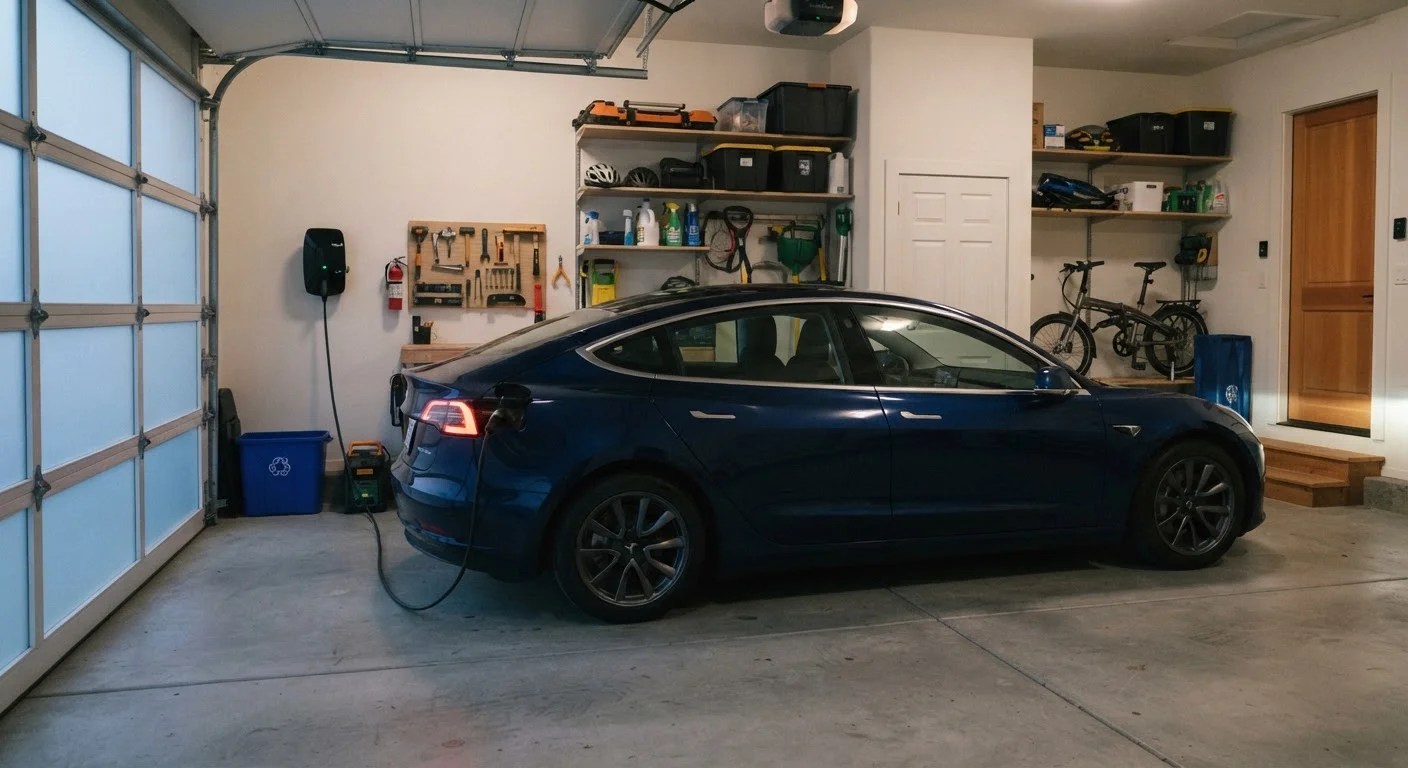
Photo credit: ArticlesHaven.net
In this article
From home charging setup to maintenance schedules, EV ownership has a different rhythm than a gas vehicle—here's what to expect.
Key Takeaways
- Home charging replaces most gas station trips, but public charging infrastructure still has gaps worth planning around.
- EVs generally require less routine maintenance than gas vehicles, though tires and brakes still need regular attention.
- Insurance premiums for EVs are often higher due to repair complexity and higher vehicle replacement costs.
- Battery degradation over time is a real factor that affects range and resale value.
- Cold weather noticeably reduces EV range and should be factored into your day-to-day planning.
- The total cost picture for EVs is nuanced - lower fuel and maintenance costs don't always offset a higher purchase price quickly.
How Charging Replaces the Gas Station Habit
The most immediate shift new EV owners notice isn't the quiet motor or the instant torque - it's the change in refueling routine. Instead of stopping at a gas station weekly, most EV owners plug in at home each night and wake up to a full charge. For everyday commuting and errands within the vehicle's range, this is genuinely more convenient than filling up.
The catch is public charging infrastructure. While it has expanded considerably, gaps still exist - particularly on rural routes and in older urban areas. DC fast chargers (Level 3) can add meaningful range in under 30 minutes at compatible stations, but Level 2 public chargers take several hours. Road trips require more advance planning than most gas-car drivers are used to. See our full breakdown of how EV driving experience differs for more on this shift.
Plan Your Home Charging Setup Early
Before finalizing an EV purchase, assess your home's electrical panel to determine whether it can support a 240V outlet. Contact a licensed electrician for an evaluation - some homes need a panel upgrade, which adds time and cost. Knowing this upfront helps you budget accurately.
Home charging setup costs vary. A basic Level 2 charger unit plus professional 240V installation typically runs several hundred to over a thousand dollars depending on your home's existing electrical setup. Factor this into your total ownership cost calculation.
Maintenance: What Shrinks and What Remains
EVs eliminate many of the most common service tasks: no engine oil changes, no spark plugs, no timing belts, no exhaust system to worry about. The drivetrain has far fewer moving parts than an internal combustion engine, which translates to fewer things that can wear out or fail under normal use.
Regenerative braking - where the motor recaptures energy during deceleration - also extends brake pad life, since the system does much of the slowing work before friction brakes engage. Many EV owners report significantly longer intervals between brake service compared to gas vehicles.
What doesn't disappear: tire wear (EVs are often heavier, which can accelerate it), cabin air filters, windshield wiper blades, and coolant for the battery thermal management system on many models. You'll also want to pay attention to software updates, which manufacturers often push over-the-air but occasionally require a service visit.
Level 1 Charging
Charging an EV using a standard 120V household outlet. It is the slowest method, adding roughly 3-5 miles of range per hour.
Level 2 Charging
Charging via a 240V outlet or dedicated home/public charger unit. Much faster than Level 1 - typically capable of fully charging a vehicle overnight.
DC Fast Charging
High-power public charging (also called Level 3) that can add significant range in 20-45 minutes. Not all EVs support the same fast-charging standards.
Regenerative Braking
A system that converts kinetic energy back into battery charge when you slow down, reducing wear on traditional friction brakes.
Battery Degradation
The gradual, normal reduction in a battery's ability to hold a full charge over years of use. It affects range but is typically slow under normal driving conditions.
Thermal Management System
The cooling and heating system that keeps an EV battery within its optimal temperature range, protecting both performance and long-term battery health.
For a broader look at how maintenance costs compare across powertrain types, see our multi-year cost comparison for gas, hybrid, and electric vehicles.
Insurance and Ongoing Costs
EV insurance premiums tend to run higher than for comparable gas vehicles. The primary reasons: EVs generally have higher purchase prices, replacement parts can be more expensive, and not every repair shop has the equipment or trained technicians to work on them. Some insurers also factor in battery replacement risk.
That said, insurance costs vary considerably by model, your location, your driving history, and the insurer. Getting multiple quotes before purchasing is practical advice that applies even more to EVs. This is general information - for guidance tailored to your situation, consult a licensed insurance agent.
Public Fast Charging Costs Add Up
DC fast chargers at public stations typically charge more per kilowatt-hour than home electricity rates - sometimes significantly more. If you rely heavily on public fast charging rather than home charging, your per-mile energy cost can approach or exceed what you'd spend on gasoline, depending on your vehicle and local rates.
Electricity costs also vary more than most buyers expect. Your per-mile fueling cost depends heavily on your local electricity rates, your charging habits (overnight home charging is usually cheapest), and whether you use public fast chargers frequently, which carry a higher per-kWh cost.
What Stays Exactly the Same
Registration, licensing, and safety inspections work the same way - your EV still needs to be registered in your state and meet local requirements. Tire pressure, wiper fluid, and general exterior care are no different from any other vehicle. Collision and liability insurance are still legally required in virtually every state.
Financing and leasing work similarly too, though EV-specific considerations - like how quickly the technology evolves - do affect the lease calculus. Our article on leasing an electric vehicle covers those trade-offs in detail.
Driving safety responsibilities are unchanged: defensive driving, obeying traffic laws, and maintaining situational awareness all apply. EVs with advanced driver-assist systems are still driver-operated vehicles - those features assist, they don't replace, an attentive driver.
Driver-Assist Features Are Not Autonomous Driving
Many EVs come equipped with adaptive cruise control, lane-keeping assist, and automatic emergency braking. These systems are driver-assistance tools, not self-driving technology. Regulatory guidance consistently emphasizes that drivers must remain attentive and in control at all times when these features are active.
Setting Realistic Expectations Before You Commit
An EV works best for drivers who have reliable home charging access, drive mostly predictable daily distances, and live in a region with reasonable public charging coverage. If your daily driving stays well within the vehicle's rated range, the day-to-day experience is often smoother than owning a gas car.
The math gets more complicated for high-mileage drivers, people without home charging, or those in climates with harsh winters. Cold weather is a meaningful variable - temperatures near or below freezing can reduce range noticeably, which affects planning. What cold weather does to a vehicle goes deeper on this, including battery-specific effects.
For first-time owners or younger drivers still building their car ownership habits, it's worth approaching the transition thoughtfully. The habits you form early in car ownership - including how you track costs and approach maintenance - translate directly to EV ownership, even if the specifics change.
U.S. Department of Energy: Alternative Fuels Station Locator
A free government tool that maps public EV charging stations across the US, filterable by charger type and network. Useful for planning routes and evaluating charging availability in your area.
EPA EV Range and Efficiency Ratings
The EPA's official ratings database lets you compare real-world estimated range and energy efficiency across EV models - a useful starting point when evaluating which vehicle fits your driving patterns.
PlugShare Community Charging Map
A community-maintained map of public and shared private charging locations, with user-submitted check-ins and condition reports that help you assess reliability before arriving.
Frequently Asked Questions

Author
Articles Haven Editorial Contributor
Articles Haven Editorial Team is the collective byline for our editorial team and contributor network. Articles published under this byline or an editorial pen name are researched, written, and reviewed according to our editorial standards for clarity, consistency, and independence before publication.
View all articles →