
Winter Car Preparation: What Cold Weather Actually Does to a Vehicle
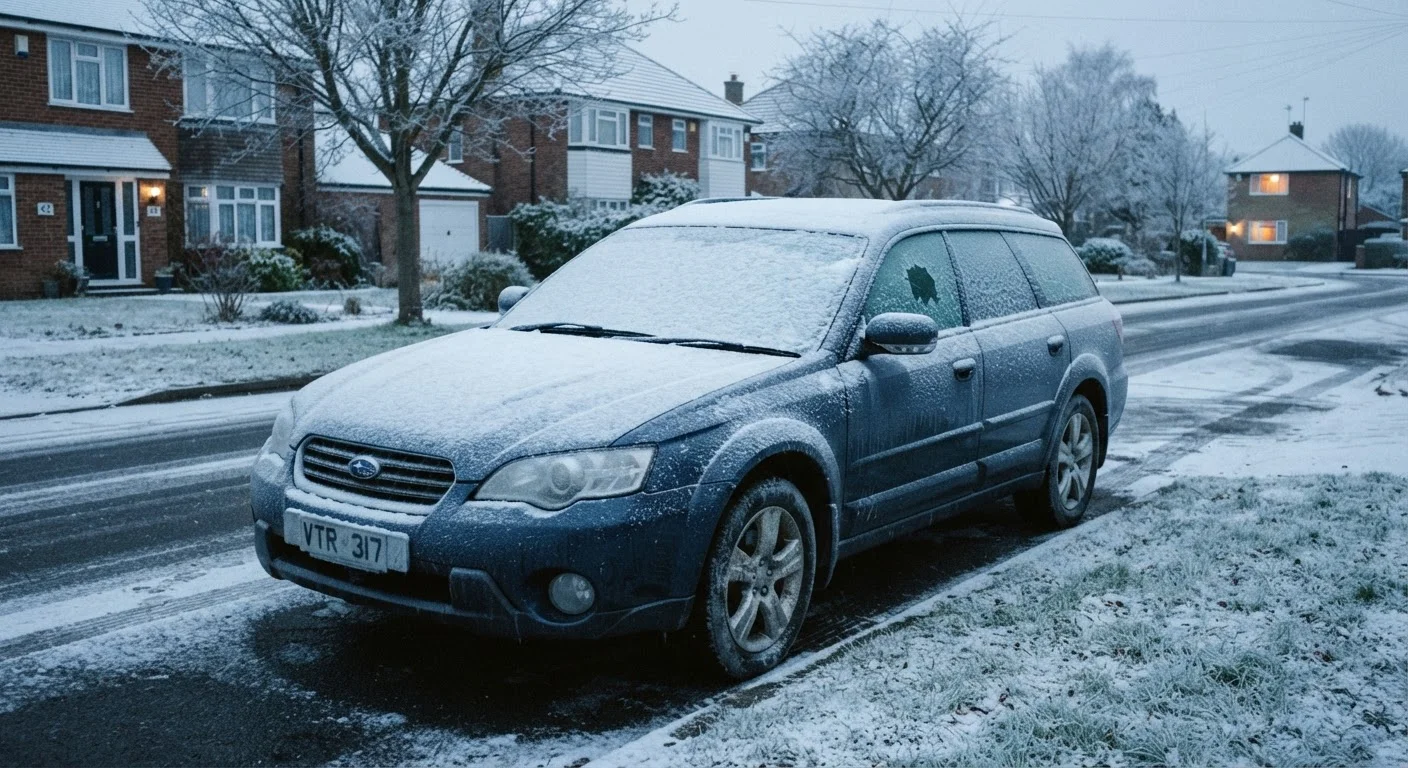
Photo credit: ArticlesHaven.net
Low temperatures affect batteries, tire pressure, fluids, and braking. Here's what to check before winter sets in.
Key Takeaways
- Cold temperatures reduce battery output significantly, often exposing weaknesses in older batteries.
- Tire pressure drops roughly 1 PSI for every 10°F decrease in temperature, affecting handling and fuel economy.
- Engine oil, brake fluid, and coolant all behave differently in cold weather and require seasonal attention.
- Winter-specific wiper blades and washer fluid prevent visibility problems during freezing conditions.
- A basic winter emergency kit in your trunk can be critical if you're stranded in cold weather.
What Cold Weather Actually Does to Your Vehicle
Winter doesn't damage a car all at once - it stresses multiple systems simultaneously in ways that compound over time. Understanding what's happening physically helps you prioritize what to address first rather than treating a winter checklist as busywork.
The three most immediate effects are on the battery, tires, and fluids. Batteries rely on a chemical reaction that slows in cold temperatures, meaning a battery that cranks reliably at 60°F may struggle or fail at 10°F. Tires lose pressure as ambient temperature drops, which is basic physics - cooler air is denser. And engine oil, coolant, brake fluid, and washer fluid all have temperature-dependent behavior that shifts outside their optimal ranges when cold arrives.
Beyond those core systems, cold weather also makes rubber components - including wiper blades, door seals, and belts - stiffer and more prone to cracking. Visibility becomes a safety issue on multiple fronts: frosted glass, reduced traction, and longer stopping distances all come together at once.
What you will need
If you also drive an electric vehicle or are considering one, note that EV range can drop substantially in cold weather due to battery chemistry and cabin heating loads. Our EV ownership overview covers what to expect through the seasons.
Step-by-Step Winter Preparation
The steps below are organized to move from highest-priority systems to supporting items. Most can be done at home with basic tools; a few require a shop visit. Work through them before your first hard freeze rather than scrambling after one.
Battery Failure Is the Most Common Winter Breakdown
A battery that tests fine in summer may not have enough cold cranking amps (CCA) to start your engine when temperatures drop below freezing. If your battery is more than three years old, have it load-tested at an auto parts store or shop before winter - most offer this service free. Do not wait for a no-start situation to find out your battery is weak.
Test Your Battery
Cold reduces a battery's ability to deliver current. At 32°F, a battery loses roughly 20% of its capacity; at 0°F, that loss can exceed 50%. Have your battery load-tested before temperatures consistently drop below freezing. Many auto parts retailers perform this at no charge. If the battery is over three to four years old and showing weakness, replacement before winter is generally more reliable than waiting for a failure.
Check and Adjust Tire Pressure
Tire pressure drops approximately 1 PSI for every 10°F reduction in ambient temperature. Underinflated tires reduce handling responsiveness and increase stopping distances on slick surfaces. Check all four tires - including the spare - with a gauge when the tires are cold (driven less than a mile). Inflate to the vehicle manufacturer's specification found on the door jamb sticker. For a deeper look at tire health year-round, see our guide to tire care and longevity.
Inspect Engine Oil Viscosity
Oil thickens in cold temperatures, making it harder to circulate through the engine on startup - the moment when most engine wear occurs. Check your owner's manual for the recommended viscosity for cold-weather driving in your climate. Many modern vehicles specify a multi-grade oil (such as 5W-30) that performs adequately across seasons, but older vehicles or those in very cold regions may benefit from a lower-viscosity winter grade. If an oil change is due, do it before sustained cold arrives.
Verify Coolant Concentration
Engine coolant (antifreeze mixed with water) prevents the cooling system from freezing in cold weather and overheating in warm weather. The freeze protection level depends on the ratio of antifreeze to water. An inexpensive coolant tester (available at any auto parts store) shows whether your current mix provides adequate protection for your expected low temperatures. A 50/50 mix typically protects to around -34°F. If the concentration is off, a mechanic can flush and refill the system to the correct ratio.
Switch to Winter Wiper Blades and Freeze-Rated Washer Fluid
Standard wiper blades can accumulate ice in their frames, causing uneven contact with the windshield and streaking. Winter-rated wiper blades use a rubber boot to keep the blade flexible and ice-free. Replace washer fluid with a formulation rated to at least -20°F - standard fluid will freeze in the reservoir or on the glass mid-spray, creating an immediate visibility hazard. Check that your rear defroster and front defrost vents are functioning properly as well.
Inspect Brakes and Four-Wheel/All-Wheel Drive Systems
Braking performance is critical in winter conditions. Listen for grinding or squealing, feel for pulsation when braking, and note any pulling to one side - these warrant a professional inspection before winter. If your vehicle has four-wheel drive (4WD) or all-wheel drive (AWD), test the system in a safe, empty area to confirm it engages properly. Consult a qualified mechanic if anything feels inconsistent. For a broader pre-season inspection checklist, the long road trip preparation guide covers additional systems worth checking.
Assemble a Winter Emergency Kit
Pack a small kit and store it in your trunk before the season begins. Practical contents include: jumper cables or a portable jump starter, a blanket, a flashlight with fresh batteries, a small bag of sand or kitty litter for traction, a basic first aid kit, and a phone charger. If you drive in rural or isolated areas, adding water, snacks, and a reflective emergency triangle is advisable. The goal is to be prepared for a period of waiting rather than attempting unsafe roadside fixes in freezing conditions.
Never Warm Up a Car in an Enclosed Garage
Running your engine inside a closed or partially closed garage causes carbon monoxide to build up rapidly, which is odorless and can be fatal within minutes. Always move the vehicle completely outside before allowing it to idle, even briefly.
Check Tire Pressure Every Few Weeks in Winter
Temperature swings between day and night cause pressure to fluctuate frequently. A quick check with an inexpensive gauge takes under two minutes and keeps your tires performing safely. Your vehicle's recommended PSI is listed on the sticker inside the driver's door jamb - not on the tire sidewall.
Tire pressure in particular deserves ongoing attention, not just a one-time check. Temperature fluctuates frequently during winter months, and pressure follows it. See our tire care guide for more on maintaining correct inflation through seasonal changes.
This article provides general vehicle maintenance information for educational purposes. For any repair or inspection task beyond your comfort or skill level, consult a qualified mechanic. Costs, fluid specifications, and recommended service intervals vary by vehicle - always refer to your owner's manual or a certified professional.

Author
Articles Haven Editorial Contributor
Articles Haven Editorial Team is the collective byline for our editorial team and contributor network. Articles published under this byline or an editorial pen name are researched, written, and reviewed according to our editorial standards for clarity, consistency, and independence before publication.
View all articles →