
The Pros and Cons of Leasing an Electric Vehicle
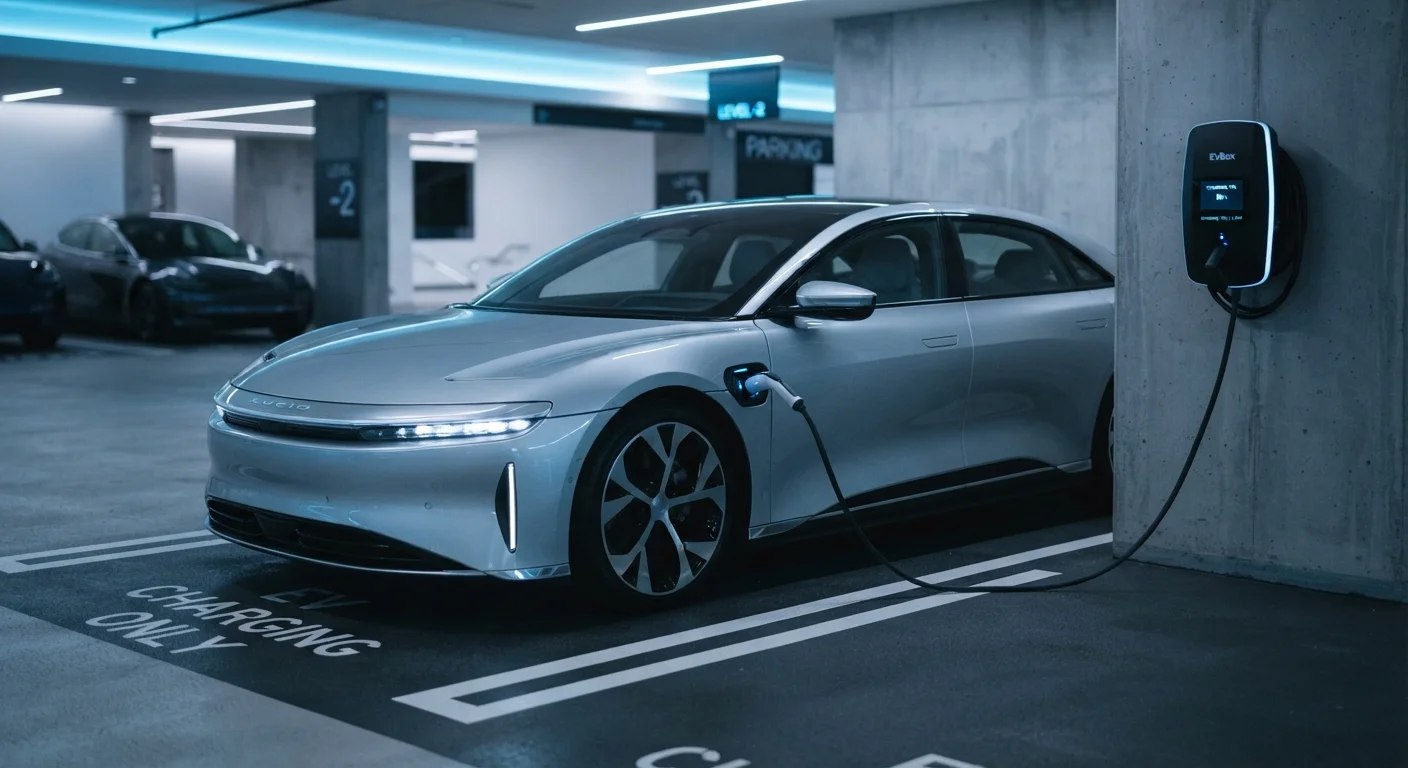
Photo credit: ArticlesHaven.net
In this article
EV technology evolves quickly, which changes the lease calculus. Explore the specific advantages and drawbacks of leasing rather than buying an EV.
Key Takeaways
- Leasing an EV typically means lower monthly payments than financing a purchase of the same model.
- Federal tax credit eligibility rules for leased EVs differ from those applied to purchased vehicles.
- Rapid EV technology improvements make short-term leases appealing but residual value calculations risky.
- Mileage caps and wear-and-tear fees can erase cost savings for high-mileage or long-commute drivers.
- At lease end, you walk away with no equity - a key trade-off versus buying and owning long-term.
Lower monthly payments than a purchase loan
Lease payments cover only the vehicle's depreciation during the term, not its full price. On higher-MSRP EVs, this gap can be substantial compared to financing the same model.
Access to federal tax credit through the lessor
When you lease, the leasing company (not you) technically purchases the vehicle and may claim the federal EV tax credit. Lessors often pass some or all of that savings through as a reduced cap cost, effectively lowering your payment.
Stay current with fast-evolving EV technology
Battery range, charging speeds, and software capabilities are improving rapidly. A two- or three-year lease lets you cycle into a newer generation without being stuck with an older model.
Warranty typically covers the entire lease term
Most EVs come with manufacturer warranties that align closely with standard lease lengths, meaning major powertrain and battery repair costs are largely covered during your term.
No exposure to long-term battery degradation risk
EV battery capacity gradually declines over years. Returning a leased vehicle before significant degradation occurs means you never deal with reduced range or costly out-of-warranty battery concerns.
No equity built - you own nothing at term end
Every payment goes toward the lessor's asset, not yours. At lease end, you either return the vehicle or pay a buyout price, starting the cost cycle again.
Mileage limits penalize high-mileage drivers
Standard leases cap annual mileage - commonly 10,000 to 15,000 miles. Exceeding the cap triggers per-mile overage fees that can add up quickly for anyone with a long commute or frequent road trips.
Uncertain residual values on EVs
Residual value - what the lessor predicts the car is worth at lease end - directly affects your payment. Rapid EV depreciation trends can make lessors conservative, raising your monthly cost or making buyout prices unattractive.
Wear-and-tear fees at return
Scratches, tire wear beyond defined thresholds, or interior damage can result in charges at turn-in. These costs are sometimes overlooked when comparing lease versus purchase upfront.
Less flexibility to modify or customize the vehicle
Leased vehicles must be returned in near-original condition. Installing aftermarket accessories or hardware modifications is generally not permitted or must be reversed at your own cost.
Early termination is expensive
Breaking a lease early typically incurs significant penalties - sometimes equivalent to several remaining monthly payments. Life changes like relocation or income shifts can make this a real financial burden.
Why Leasing an EV Is a Different Calculation
Leasing any car involves trade-offs, but leasing an electric vehicle adds a few layers that don't apply to a typical gas-powered lease. EV technology is advancing faster than almost any other segment of the auto market - battery range, charging speed, and onboard software all evolve significantly within a three-year window. That pace changes the risk-and-reward math for consumers.
For a fuller grounding in how leasing and buying differ structurally, see the real difference between leasing and buying a car before diving into the EV-specific angles below.
Lower monthly payments than a purchase loan
Lease payments cover only the vehicle's depreciation during the term, not its full price. On higher-MSRP EVs, this gap can be substantial compared to financing the same model.
Access to federal tax credit through the lessor
When you lease, the leasing company (not you) technically purchases the vehicle and may claim the federal EV tax credit. Lessors often pass some or all of that savings through as a reduced cap cost, effectively lowering your payment.
Stay current with fast-evolving EV technology
Battery range, charging speeds, and software capabilities are improving rapidly. A two- or three-year lease lets you cycle into a newer generation without being stuck with an older model.
Warranty typically covers the entire lease term
Most EVs come with manufacturer warranties that align closely with standard lease lengths, meaning major powertrain and battery repair costs are largely covered during your term.
No exposure to long-term battery degradation risk
EV battery capacity gradually declines over years. Returning a leased vehicle before significant degradation occurs means you never deal with reduced range or costly out-of-warranty battery concerns.
The Advantages of Leasing an EV
The headline benefit is straightforward: lower monthly payments. Because you're paying for depreciation during the lease term rather than the vehicle's full value, payments on a leased EV are typically well below what a purchase loan would cost on the same model - a meaningful difference given the higher sticker prices many EVs carry.
Beyond the payment, the federal tax credit dynamic is worth understanding carefully. A side-by-side financial comparison of leasing versus buying covers how total outlay compares across both paths, including how the credit flows differently depending on whether you lease or purchase.
How the Federal EV Tax Credit Works in a Lease
Under current U.S. tax law, the federal clean vehicle tax credit (up to $7,500) is claimed by the vehicle purchaser - which in a lease is the leasing company, not the lessee. Lessors are not required by law to pass that credit through to consumers, though many do in competitive markets as a capitalized cost reduction. Always ask explicitly how the lessor is applying any available credit before signing.
Finally, for drivers who want to avoid long-term battery degradation risk or simply prefer staying current with improving technology, a two- to three-year lease acts as a built-in upgrade cycle.
The Drawbacks You Need to Weigh
The most fundamental downside is simple: you build no equity. Every payment benefits the lessor's balance sheet. When the term ends, you face a choice between returning the car and starting over, or paying a buyout price that may not reflect the vehicle's actual market value.
No equity built - you own nothing at term end
Every payment goes toward the lessor's asset, not yours. At lease end, you either return the vehicle or pay a buyout price, starting the cost cycle again.
Mileage limits penalize high-mileage drivers
Standard leases cap annual mileage - commonly 10,000 to 15,000 miles. Exceeding the cap triggers per-mile overage fees that can add up quickly for anyone with a long commute or frequent road trips.
Uncertain residual values on EVs
Residual value - what the lessor predicts the car is worth at lease end - directly affects your payment. Rapid EV depreciation trends can make lessors conservative, raising your monthly cost or making buyout prices unattractive.
Wear-and-tear fees at return
Scratches, tire wear beyond defined thresholds, or interior damage can result in charges at turn-in. These costs are sometimes overlooked when comparing lease versus purchase upfront.
Less flexibility to modify or customize the vehicle
Leased vehicles must be returned in near-original condition. Installing aftermarket accessories or hardware modifications is generally not permitted or must be reversed at your own cost.
Early termination is expensive
Breaking a lease early typically incurs significant penalties - sometimes equivalent to several remaining monthly payments. Life changes like relocation or income shifts can make this a real financial burden.
Mileage limits deserve particular attention for EV drivers. If you're replacing a gas commuter vehicle with a leased EV, make sure your realistic annual mileage fits within the contract's cap - and build in a buffer. EV drivers sometimes underestimate mileage because they may route differently to access charging infrastructure.
Understanding the full ownership picture is also useful context. See what changes and what stays the same with EV ownership for a realistic look at what the day-to-day experience involves regardless of whether you lease or buy.
Who Should Seriously Consider an EV Lease
Leasing an EV tends to work well for a specific profile: someone in an urban or suburban area with a predictable, moderate commute, access to home or workplace charging, and a preference for upgrading vehicles every few years rather than holding them long-term. If that describes you, the lower monthly cost and technology refresh cycle are genuine advantages.
~30%
EV share of new leases in recent years
Industry lease penetration data has shown EVs leased at notably higher rates than the overall new vehicle market, reflecting consumer preference for shorter EV commitment cycles.
10-15k
Typical annual mileage cap (miles)
Most standard EV lease agreements set annual mileage limits in this range; exceeding them commonly triggers fees of $0.15-$0.30 per additional mile depending on the contract.
It's a harder fit if you drive significantly more than 12,000-15,000 miles per year, frequently take long road trips where charging unpredictability adds friction, or prioritize long-term value over near-term cash flow. For those situations, purchasing - and holding the vehicle through its depreciation curve - often makes more financial sense.
If you're still working out whether an EV suits your lifestyle at all, what changes when you go electric versus keeping a gas car is a useful starting point before committing to any financing path.
This article is for general informational purposes only and does not constitute financial, legal, or personalized vehicle advice. Tax credit eligibility and lease terms vary by provider, vehicle, and applicable law. Verify current tax rules with a qualified tax professional and review all lease contract terms carefully before signing.

Author
Articles Haven Editorial Contributor
Articles Haven Editorial Team is the collective byline for our editorial team and contributor network. Articles published under this byline or an editorial pen name are researched, written, and reviewed according to our editorial standards for clarity, consistency, and independence before publication.
View all articles →