
Electric Vehicle vs. Gas Car: What Changes Beyond the Fuel
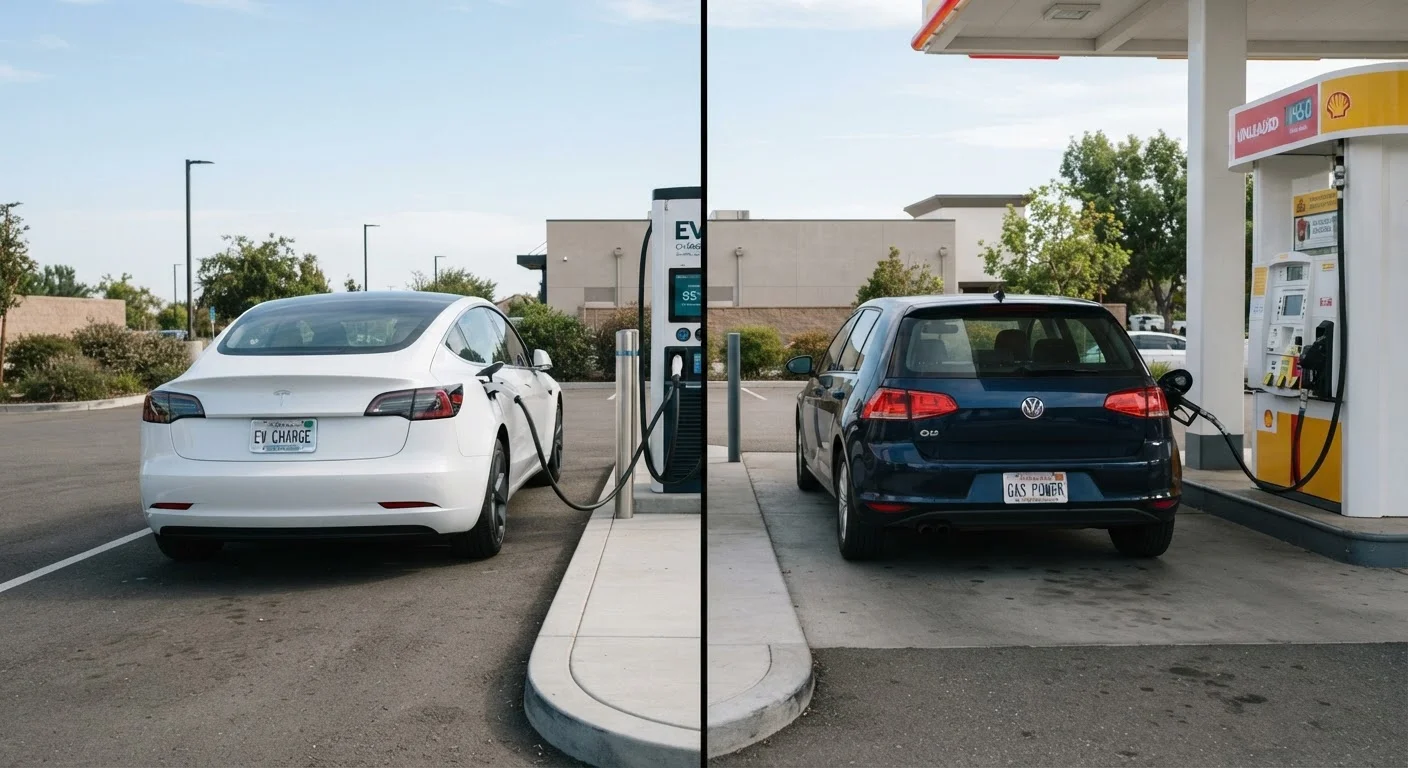
Photo credit: ArticlesHaven.net
In this article
Charging infrastructure, maintenance habits, total cost, and driving experience all shift when you go electric. Here's the full picture.
Key Takeaways
- EVs typically have lower ongoing maintenance costs but higher upfront purchase prices than comparable gas vehicles.
- Charging infrastructure and home setup requirements are the most significant lifestyle adjustments EV owners face.
- Gas cars offer broader fueling flexibility and shorter refill times, especially for long-distance travel.
- Insurance and financing structures can differ meaningfully between EV and gas vehicle ownership.
- Total cost of ownership depends heavily on driving patterns, local electricity rates, and available incentives.
How the Ownership Experience Actually Differs
Choosing between an electric vehicle and a gas-powered car isn't just about fuel. It reshapes daily habits, service schedules, and how you think about a road trip. For a fuller picture of what shifts when you go electric, see what EV ownership actually changes day-to-day.
The most immediate difference is how you refuel. Gas vehicles take roughly five minutes at any of the hundreds of thousands of stations across the US. EV charging ranges from 20-30 minutes at a DC fast charger to several hours on a Level 2 home unit - but most EV owners simply plug in overnight and start each day with a full charge. That mental model shift - from reactive fueling to passive overnight charging - is either a convenience upgrade or a friction point depending entirely on your living situation.
| Criterion | Electric Vehicle | Gas-Powered Car |
|---|---|---|
| Refueling time | 20 min-8 hrs depending on charger | ~5 minutes at any gas station |
| Fueling infrastructure | Growing but uneven nationally | Widespread, including rural areas |
| Routine maintenance | Minimal (no oil changes, fewer brakes) | Regular intervals (oil, filters, etc.) |
| Typical upfront cost | Generally higher at comparable trims | Generally lower at comparable trims |
| Per-mile fuel cost | Often lower (varies by electricity rate) | Higher and tied to gas price swings |
| Cold-weather performance | Range can drop 20-40% in cold temps | Minor efficiency loss, no range anxiety |
| Home energy setup | Level 2 charger install often recommended | No home infrastructure needed |
| Tax incentives | Potentially available (eligibility varies) | Generally not applicable |
Maintenance: What Disappears, What Stays
EVs eliminate several routine maintenance categories altogether. There are no oil changes, no transmission fluid services, no spark plugs, and no exhaust system to worry about. Brake pads also last longer because regenerative braking - where the motor recaptures energy during deceleration - handles much of the stopping duty before friction brakes engage.
What remains: tire rotations, cabin air filters, coolant checks (EVs have thermal management systems), and wiper blade replacements. The battery pack is the major long-term variable. Most manufacturers warrant EV batteries for eight years or 100,000 miles, but real-world degradation varies by climate, charging habits, and usage patterns. Gas car owners, by contrast, face well-understood service intervals - oil changes every 5,000-7,500 miles, timing belts, and transmission services - with repair shops on nearly every corner. A multi-year cost comparison across powertrain types can help you run the numbers for your specific situation.
~$1,000
Estimated annual EV maintenance savings vs. gas
Consumer Reports analysis has suggested EV owners may spend roughly half what gas vehicle owners spend on maintenance annually, though figures vary by vehicle type and usage.
80%
EV charging that happens at home
US Department of Energy data indicates the large majority of EV charging occurs at home, making home setup a central factor in ownership satisfaction.
8 yrs / 100K mi
Typical federal EV battery warranty minimum
Federal regulations require automakers to warrant EV drive batteries for at least 8 years or 100,000 miles, offering a baseline of protection for buyers.
Total Cost: Purchase Price, Fuel, and Incentives
EVs generally carry a higher sticker price than gas equivalents, though the gap has narrowed. Federal tax incentives - subject to eligibility rules around income, vehicle price caps, and assembly location - can offset several thousand dollars of that difference, but they are not guaranteed and vary by vehicle and buyer situation. Always verify current eligibility through official IRS guidance before factoring incentives into a purchase decision.
Electricity is typically cheaper per mile than gasoline, though the margin depends on local utility rates and how much charging happens at home versus public stations. Drivers who charge primarily at home on low overnight rates tend to see the clearest fuel cost advantage. For strategies that also apply to gas vehicles, driving habits that reduce fuel costs are worth reviewing regardless of powertrain.
If you're considering an EV but not ready to commit to ownership, leasing an EV has specific trade-offs worth understanding, particularly given how quickly EV technology evolves.
Tax Credits: Verify Before You Plan Around Them
Federal EV tax incentives have eligibility requirements tied to vehicle price, buyer income, battery sourcing, and assembly location. These rules have changed in recent years and may continue to evolve. Before factoring any credit into your purchase budget, check directly with the IRS or a tax professional to confirm what you'd qualify for on a specific vehicle.
Range, Charging Infrastructure, and Road Trips
Modern EVs typically offer 200-350 miles of rated range, but real-world range drops in cold weather, at highway speeds, and when running heat or air conditioning aggressively. Fast-charging networks have expanded significantly, but coverage remains uneven - urban corridors are well served, while rural and remote areas can require careful route planning.
Gas vehicles sidestep this concern entirely. A fill-up anywhere with a gas station resets your range in minutes, with no app required and no wait time uncertainty. That flexibility has real value for drivers whose routes or schedules are unpredictable. If you're also evaluating a middle-ground option, how hybrids work and who they suit best is worth reading alongside this comparison.
This article provides general educational information about vehicle types and is not personalized financial, mechanical, or purchasing advice. Costs, incentives, and specifications vary by vehicle, region, and individual circumstances. Consult relevant professionals and official sources before making purchasing decisions.

Author
Articles Haven Editorial Contributor
Articles Haven Editorial Team is the collective byline for our editorial team and contributor network. Articles published under this byline or an editorial pen name are researched, written, and reviewed according to our editorial standards for clarity, consistency, and independence before publication.
View all articles →