
Car Ownership in Your 20s: Building Good Habits From the Start
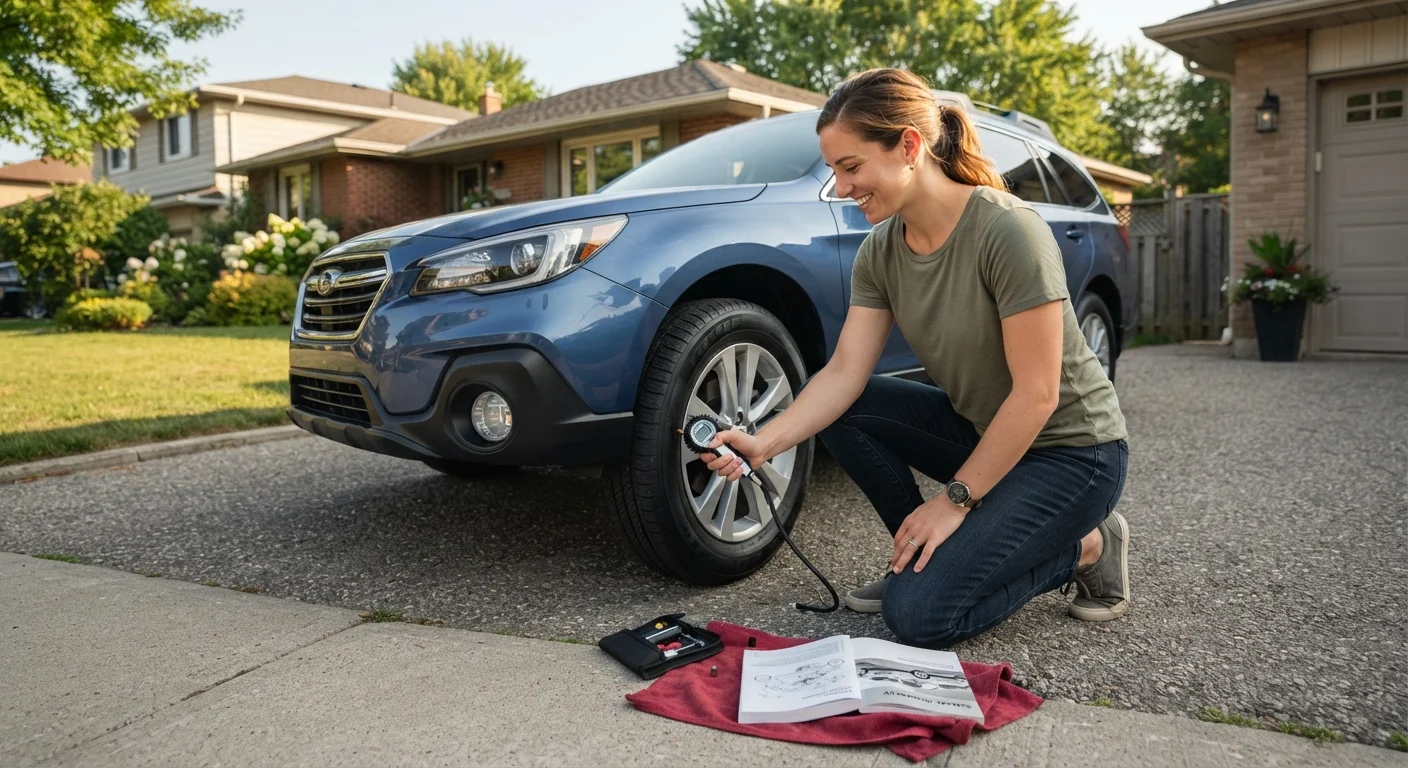
Photo credit: ArticlesHaven.net
In this article
From insurance choices to maintenance discipline, the habits formed early in car ownership shape your costs for years to come.
Key Takeaways
- Young drivers typically pay higher insurance premiums, making clean driving records especially valuable early on.
- The true cost of owning a car goes well beyond the monthly loan payment - fuel, insurance, maintenance, and depreciation all add up.
- Basic preventive maintenance is far cheaper than ignoring problems until they become serious repairs.
- How you drive affects wear on your vehicle and your long-term insurance costs, not just your safety.
- Starting good habits now - budgeting, routine service, safe driving - compounds into real savings over years.
Why Your 20s Set the Tone for Car Ownership
The decisions you make in your first few years of car ownership - how you insure the vehicle, how diligently you maintain it, and how you drive it day to day - create patterns that follow you financially for a long time. A poor driving record built in your 20s can keep insurance premiums elevated well into your 30s. Deferred maintenance on an early vehicle can teach you habits that become expensive on later, more complex cars.
The upside: getting it right early is genuinely achievable. You don't need deep mechanical knowledge or a large budget. You need a clear picture of what ownership actually costs and a handful of consistent habits.
If you're still in the buying phase, our Buying a Car hub covers how to evaluate vehicle options before you commit. This guide picks up after the purchase.
Liability coverage
The portion of your auto insurance that pays for damage or injuries you cause to others. Most states require a minimum amount by law.
Collision coverage
Insurance that pays to repair or replace your own vehicle after an accident, regardless of who is at fault.
Comprehensive coverage
Insurance that covers non-collision damage to your vehicle - such as theft, weather events, or hitting an animal.
Deductible
The amount you pay out of pocket before your insurance kicks in on a claim. A higher deductible typically means a lower monthly premium.
Depreciation
The reduction in your vehicle's value over time. It's a real financial cost even though you don't write a check for it each month.
Preventive maintenance
Routine service performed on schedule to prevent problems before they occur, rather than waiting until something breaks.
Understanding the Real Costs of Ownership
The sticker price and monthly payment are only part of the story. Many first-time owners underestimate ongoing costs and end up financially stretched within the first year. The full picture includes:
- Insurance premiums - often the single largest ongoing cost for drivers in their 20s
- Fuel - varies by vehicle type and how much you drive
- Routine maintenance - oil changes, tires, filters, brakes
- Registration and taxes - annual fees that vary by state
- Depreciation - a real financial loss even when you're not spending cash
- Unexpected repairs - a fund for these prevents one breakdown from derailing your budget
Our deep-dive on hidden ownership costs breaks down how these categories add up in practice. For most vehicles, total annual ownership costs are substantially higher than buyers anticipate going in.
Don't Let a Repair Fund Be an Afterthought
One of the most common financial traps for new car owners is having no buffer for unexpected repairs. A single brake job, tire replacement, or alternator failure can run several hundred dollars or more. Setting aside even a modest monthly amount into a dedicated car emergency fund prevents one repair from causing broader financial stress.
Insurance: Getting Coverage Right From Day One
Young drivers typically face higher premiums simply because of their age bracket - insurers rely on statistical risk data, and less experienced drivers as a group file more claims. That makes it all the more important to take concrete steps to manage what you can control.
What you can influence:
- Your driving record - a single at-fault accident or traffic violation can raise your rate significantly
- Your coverage selections - understanding what liability, collision, and comprehensive coverage actually cover helps you avoid being over- or under-insured
- Deductible level - choosing a higher deductible lowers your premium but means more out-of-pocket if you file a claim
- Completing a recognized defensive driving course - some insurers offer discounts for this
- Your vehicle choice - safety ratings and theft rates affect what you pay
Coverage needs also differ depending on where you live and how much you drive. Urban versus suburban ownership creates meaningfully different insurance profiles. Always read a policy's actual terms and consult a licensed agent before making coverage decisions - general information is not a substitute for advice tailored to your situation.
This section provides general educational information about auto insurance, not personalized insurance advice. Coverage, eligibility, and premiums vary by provider and state.
One Simple Insurance Check Worth Doing
When you're setting up or reviewing your policy, request a declarations page and read through it carefully. Confirm the coverage types, limits, and deductibles actually match what you discussed. Errors on declarations pages are not common, but they do happen - and you want to catch them before you need to file a claim.
Building a Maintenance Routine That Sticks
The most reliable maintenance strategy is simple: follow your owner's manual. That document - not internet forums, not the mileage sticker from a quick-lube shop - is the authoritative source for your specific vehicle's service intervals. Manufacturers set those intervals based on engineering data, and following them is the clearest path to avoiding premature wear.
Key items to track and schedule:
- Oil and filter changes
- Interval depends on your engine type and oil used - check your manual. Modern synthetic oil often extends the interval compared to older conventional-oil guidance.
- Tire rotation and pressure checks
- Uneven wear shortens tire life significantly. Correct inflation also affects fuel economy and handling.
- Brake inspection
- Squealing or grinding sounds are warning signs. Catching worn pads early is far cheaper than replacing rotors.
- Fluid checks
- Coolant, brake fluid, transmission fluid, and power steering fluid all have service intervals and can cause serious damage if neglected.
- Air filter
- A clogged air filter affects engine performance and fuel efficiency. Usually inexpensive to replace.
Some repairs genuinely require a qualified mechanic - don't attempt electrical system work, brake line repairs, or anything involving the fuel system without professional guidance. Common car ownership myths addresses some of the misconceptions that lead people to skip or over-perform certain services.
When to Consult a Professional Mechanic
Some maintenance tasks - checking tire pressure, inspecting wiper blades, replacing cabin air filters - are straightforward for most owners. Others, including brake system work, suspension repairs, and anything involving the fuel or electrical system, carry genuine safety risk if done incorrectly. When in doubt, a qualified mechanic's diagnostic opinion is worth the cost of the appointment.
Driving Habits That Pay Off Over Time
How you operate the vehicle matters just as much as what you do in the driveway. Aggressive acceleration, hard braking, and high-speed highway driving all increase wear on tires, brakes, and drivetrain components. Over years of ownership, smoother driving noticeably extends the life of these systems.
There's also a direct financial connection between your driving record and your insurance costs. Safe driving habits and long-term costs are more closely linked than many owners realize - fewer claims means fewer premium increases and a cleaner record that works in your favor when shopping for coverage later.
A few practical habits worth building early:
- Avoid hard stops where you can safely brake gradually
- Allow the engine to warm up briefly in very cold weather before driving hard
- Don't ignore dashboard warning lights - they exist to catch problems before they escalate
- Keep the interior and exterior reasonably clean; moisture and salt cause rust and interior deterioration over time
Thinking like a smart consumer applies here too: the decisions that feel inconvenient in the short term - scheduling a service appointment, driving a little more carefully - are the ones that reduce costs and headaches down the road.
Your Vehicle's Owner's Manual
The single most authoritative resource for your car's specific maintenance intervals, fluid specifications, and warning light explanations. Digital versions are often available from the manufacturer's website if the physical copy is missing.
State DMV Website
Your state's Department of Motor Vehicles site provides accurate, current information on registration requirements, fees, emissions testing schedules, and licensing rules specific to where you live.
NHTSA Safety Ratings Tool
The National Highway Traffic Safety Administration publishes crash test ratings and recall information for vehicles by make, model, and year - useful both when buying a car and when evaluating your current vehicle's safety standing.
Frequently Asked Questions

Author
Articles Haven Editorial Contributor
Articles Haven Editorial Team is the collective byline for our editorial team and contributor network. Articles published under this byline or an editorial pen name are researched, written, and reviewed according to our editorial standards for clarity, consistency, and independence before publication.
View all articles →