
Keeping Fuel Costs Down: Driving Habits That Actually Make a Difference
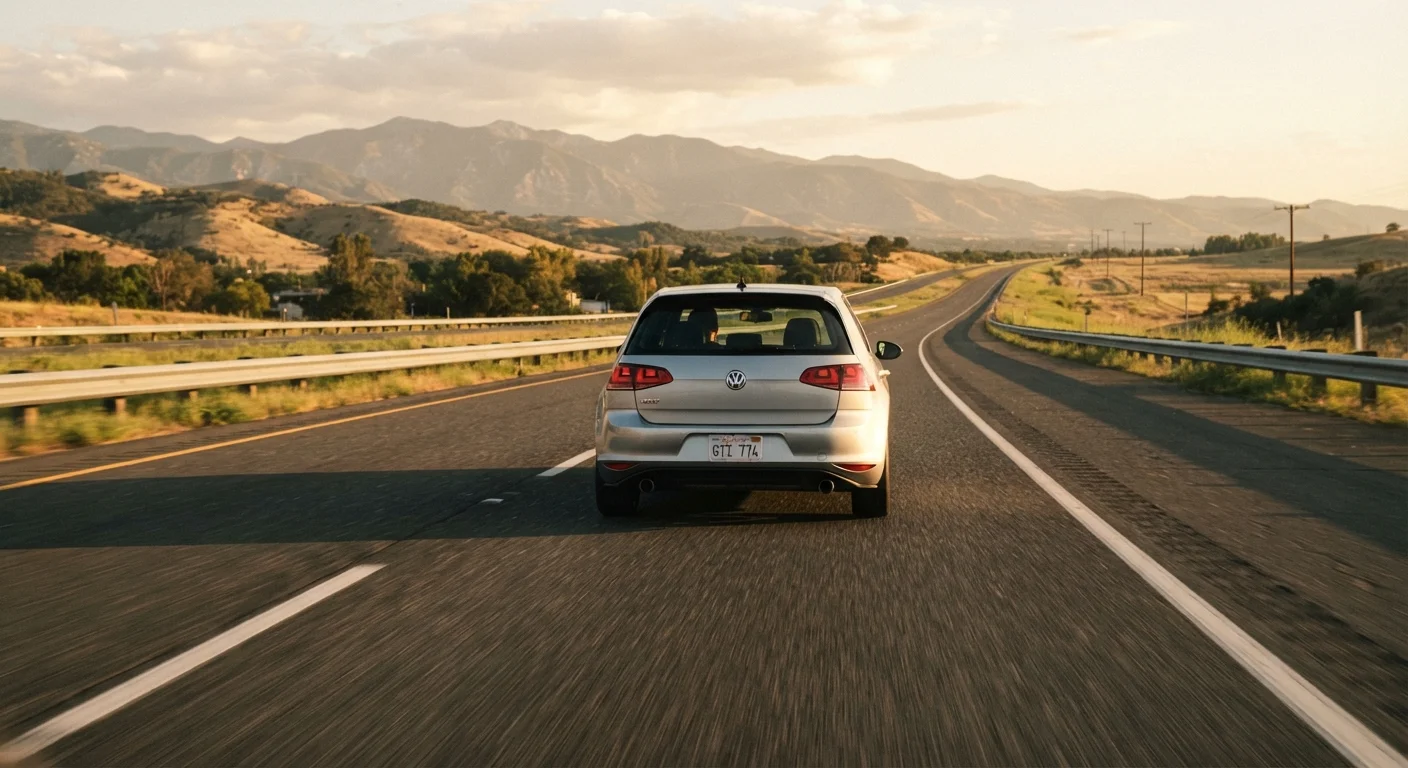
Photo credit: ArticlesHaven.net
In this article
Acceleration style, tire pressure, route planning, and idling all influence real-world fuel economy more than most drivers realize.
Key Takeaways
- Smooth acceleration and gradual braking are among the most impactful habits for improving fuel economy.
- Under-inflated tires measurably reduce miles per gallon and wear faster - check pressure monthly.
- Extended idling burns fuel without moving you anywhere; turning off the engine usually makes more sense.
- Route planning and combining errands can reduce total miles driven and cold-start fuel penalties.
- Fuel economy gains from driving habits are free - no hardware or upgrades required.
Why Driving Behavior Moves the Needle More Than You'd Expect
Most drivers focus on the sticker MPG when buying a vehicle, but real-world fuel economy can vary by 20-30% based on how the car is driven - not just what car it is. The U.S. Department of Energy has documented that aggressive driving, excessive idling, and poor maintenance habits consistently push fuel costs higher regardless of the vehicle's rated efficiency.
The good news: behavior-based improvements cost nothing to implement. And unlike upgrading to a different vehicle, they're available to every driver today. This article walks through the habits that have the most documented impact, and why each one matters mechanically - not just in theory.
For a fuller picture of what fuel costs represent in the context of ownership, see the full cost of owning a vehicle - fuel is one of several ongoing expenses that buyers often underestimate.
Tires, Load, and the Factors You Control Before You Drive
Tire pressure is one of the easiest maintenance items to overlook, and one of the more consequential ones for fuel economy. Under-inflated tires create more rolling resistance - the engine has to work harder to maintain speed. The EPA estimates that every 1 PSI drop in tire pressure across all four tires can reduce fuel economy by around 0.2%. That adds up quickly if tires are running 5-8 PSI low, which is common by late fall or winter when cold air contracts.
Roof racks, cargo carriers, and heavy gear in the trunk also affect efficiency. Aerodynamic drag increases significantly at highway speeds, and unnecessary weight - even 100 pounds - can reduce MPG noticeably over time. Remove cargo you're not actively using.
For more on tire care beyond inflation, proper tire maintenance covers rotation schedules and tread checks that also affect both safety and economy.
Route Planning, Trip Combining, and the Cold-Start Penalty
Short trips disproportionately hurt fuel economy because engines burn more fuel when cold. During the first few minutes of operation, the engine hasn't reached its optimal operating temperature - fuel combustion is less efficient, and emissions controls aren't fully active. A five-minute trip uses significantly more fuel per mile than the same vehicle driven on a 20-minute trip.
Combining errands into a single trip - starting with the farthest destination so the engine is warm for subsequent stops - reduces both total miles driven and the number of cold starts. This sounds minor but has a measurable effect if you make multiple short trips daily.
Highway driving at moderate, steady speeds tends to be more efficient than stop-and-go urban driving. If you have flexibility on when you travel a congested route, choosing off-peak times reduces the forced acceleration and braking that drains fuel. For drivers weighing whether an alternative powertrain might suit their patterns better, how hybrids and EVs handle stop-and-go driving is worth understanding before making a switch.
“The biggest fuel savings are usually free - they come from changing what the driver does, not what the vehicle is. Steady speed, smooth inputs, and avoiding unnecessary idling consistently outperform gadgets and additives.”
— U.S. Department of Energy, Fuel Economy Guide, Federal agency resource on vehicle fuel efficiency
It's also worth noting that some popular assumptions about how to save fuel don't hold up. Common car ownership myths - like always using premium fuel or warming up the engine for several minutes in winter - can actually cost money rather than save it.

Author
Articles Haven Editorial Contributor
Articles Haven Editorial Team is the collective byline for our editorial team and contributor network. Articles published under this byline or an editorial pen name are researched, written, and reviewed according to our editorial standards for clarity, consistency, and independence before publication.
View all articles →