
Checked Baggage vs. Carry-On: Choosing the Right Strategy for Your Trip
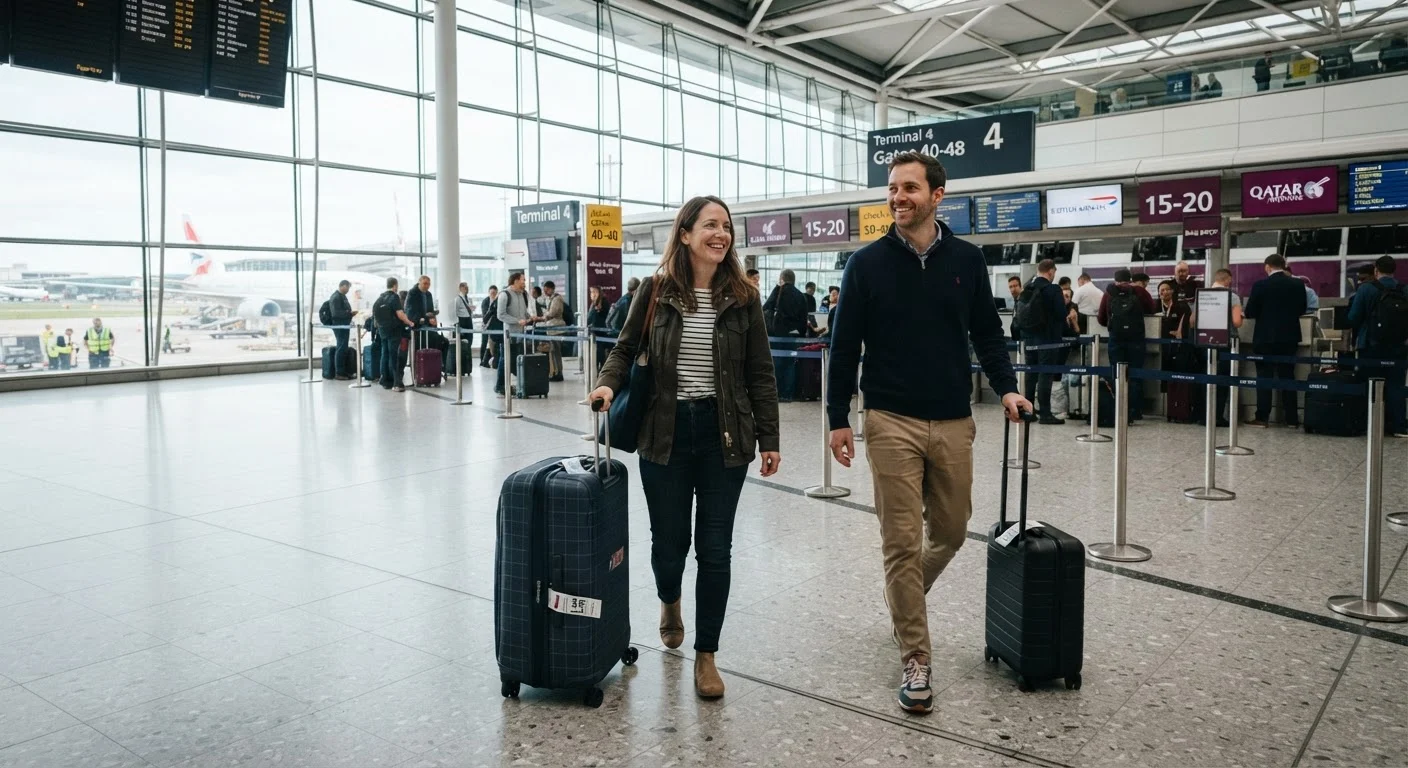
Photo credit: ArticlesHaven.net
In this article
Compare the trade-offs of checking luggage versus going carry-on only, and find out which approach suits different trip types.
Key Takeaways
- Checked bags add fees that can significantly increase the cost of budget airline tickets.
- Carry-on only works best for trips under a week with access to laundry or flexible packing.
- Checked luggage suits trips requiring specialty items like sports gear, formal wear, or medical equipment.
- Airline baggage policies vary widely - always verify allowances before you pack.
- Your destination, trip length, and travel style should drive the decision, not habit alone.
The Core Trade-Off: Cost, Time, and Flexibility
Choosing between checked baggage and carry-on only comes down to three factors: what you're paying, how much time you have, and what you actually need to bring. Neither approach is universally superior - the right call depends on your specific trip.
Checked bags cost money on most US carriers unless you hold elite status or a co-branded airline credit card. Fees typically range from around $30 to $40 for a first bag on domestic routes, and higher for international or additional bags. That adds up quickly for a family or multi-leg journey. On the upside, you're not constrained by overhead bin space, you can pack freely, and you don't have to haul luggage through the terminal beyond the check-in desk.
Carry-on only eliminates bag fees on most standard fares, cuts airport time on both ends, and gives you more control - your bag stays with you. The catch is the packing discipline it demands. Size and weight limits are strictly enforced at many gates, particularly on regional jets and budget carriers, and overhead bin space fills up fast on busy flights.
For a deeper look at how individual carrier policies are structured, see how major US airline baggage allowances compare before you finalize your packing plan.
| Criterion | Checked Baggage | Carry-On Only |
|---|---|---|
| Typical added cost | $30-$60+ per bag each way | Usually no extra fee |
| Packing flexibility | High - up to 50 lbs typically | Limited by size and weight rules |
| Airport time | Longer - check-in and claim | Shorter - skip both queues |
| Lost luggage risk | Present - especially on connections | Minimal - bag stays with you |
| Specialty gear transport | Supported with proper allowances | Generally not feasible |
| Best trip length | One week or longer | Up to about five to seven days |
| Ideal for families | Yes - more space per person | Workable but requires coordination |
When Checked Baggage Makes More Sense
There are trip types where checking a bag isn't just convenient - it's the practical choice. If you're traveling for two weeks or longer, packing enough without a checked bag requires real discipline and often means doing laundry mid-trip. That's workable for some travelers but not for everyone.
Trips involving formal events, weddings, or business attire tend to tip toward checked baggage as well - suits and dresses don't travel well crumpled into a carry-on. The same goes for any trip requiring significant gear: camping equipment, golf clubs, ski boots, or medical devices like CPAP machines. Airlines have specific policies for sporting goods and medical equipment, so it's worth checking directly with your carrier before you fly.
~2.9M
Checked bags mishandled annually in the US
According to the US Department of Transportation Air Travel Consumer Report, major US carriers mishandled approximately 2.9 million checked bags in a recent reporting year.
$7B+
Annual baggage fee revenue for US airlines
The Bureau of Transportation Statistics has reported that US airlines collectively collect several billion dollars per year in checked baggage fees.
20+ min
Average baggage claim wait time
Industry studies and traveler surveys consistently put average domestic baggage claim wait times at 20 minutes or more after landing.
One underappreciated advantage of checking a bag: it removes the gate-side scramble. When overhead bins fill up and flight attendants start gate-checking carry-ons anyway, travelers who already checked a bag avoid the stress entirely.
If you're comparing cabin classes and wondering what baggage perks come with upgrades, cabin differences between economy and business class covers what actually changes across fare tiers.
When Carry-On Only Is the Smarter Play
For weekend trips, short domestic hops, and travelers who move efficiently, carry-on only is hard to beat. You land, walk off, and you're out - no 20-minute wait at baggage claim, no risk of a delayed or misrouted bag. That last point matters more than many travelers expect: airlines do occasionally mishandle checked luggage, and the impact on a short trip can be significant.
Carry-on only also suits travelers on a tight budget flying domestic routes. If you can pack what you need into a standard-sized carry-on and a personal item, you sidestep fees that can easily add $60 or more to a round trip.
Watch Out for Budget Carrier Carry-On Fees
Some ultra-low-cost carriers charge separately for carry-on bags placed in the overhead bin - not just checked bags. On these airlines, a personal item that fits under the seat in front of you may be the only truly free allowance. Always read the baggage policy for your specific fare class before assuming carry-on is free.
The discipline required is real, though. If you're considering going carry-on only for a longer trip, packing two weeks into a single carry-on is achievable with the right framework - capsule wardrobes, laundry planning, and ruthless editing of what you actually use. You can also explore the carry-on packing systems frequent travelers rely on for practical organizational strategies.
Trip Type Matters Most
No single strategy fits every trip. The smartest approach is to let the nature of your journey drive the decision rather than defaulting to habit.
- Weekend city break: Carry-on only, almost always.
- Beach week with snorkel gear: Carry-on for clothes, check or rent gear at the destination.
- 14-day international trip: Checked bag for most travelers, or carry-on with a solid laundry plan.
- Multi-city itinerary with many flights: Carry-on reduces the risk of bags getting lost in connections.
- Family travel: Often a mix - parents may check a larger bag while kids manage smaller carry-ons.
Your broader travel philosophy matters here too. Travelers who prioritize flexibility and spontaneity often lean carry-on; those who prefer comfort and aren't bothered by a little extra process tend to check. For a broader look at how travel style shapes the entire experience, how budget and comfort travel approaches compare is worth reading alongside this one.

Author
Articles Haven Editorial Contributor
Articles Haven Editorial Team is the collective byline for our editorial team and contributor network. Articles published under this byline or an editorial pen name are researched, written, and reviewed according to our editorial standards for clarity, consistency, and independence before publication.
View all articles →