
The Pacific Northwest as a Trip Destination: What Each Part Offers
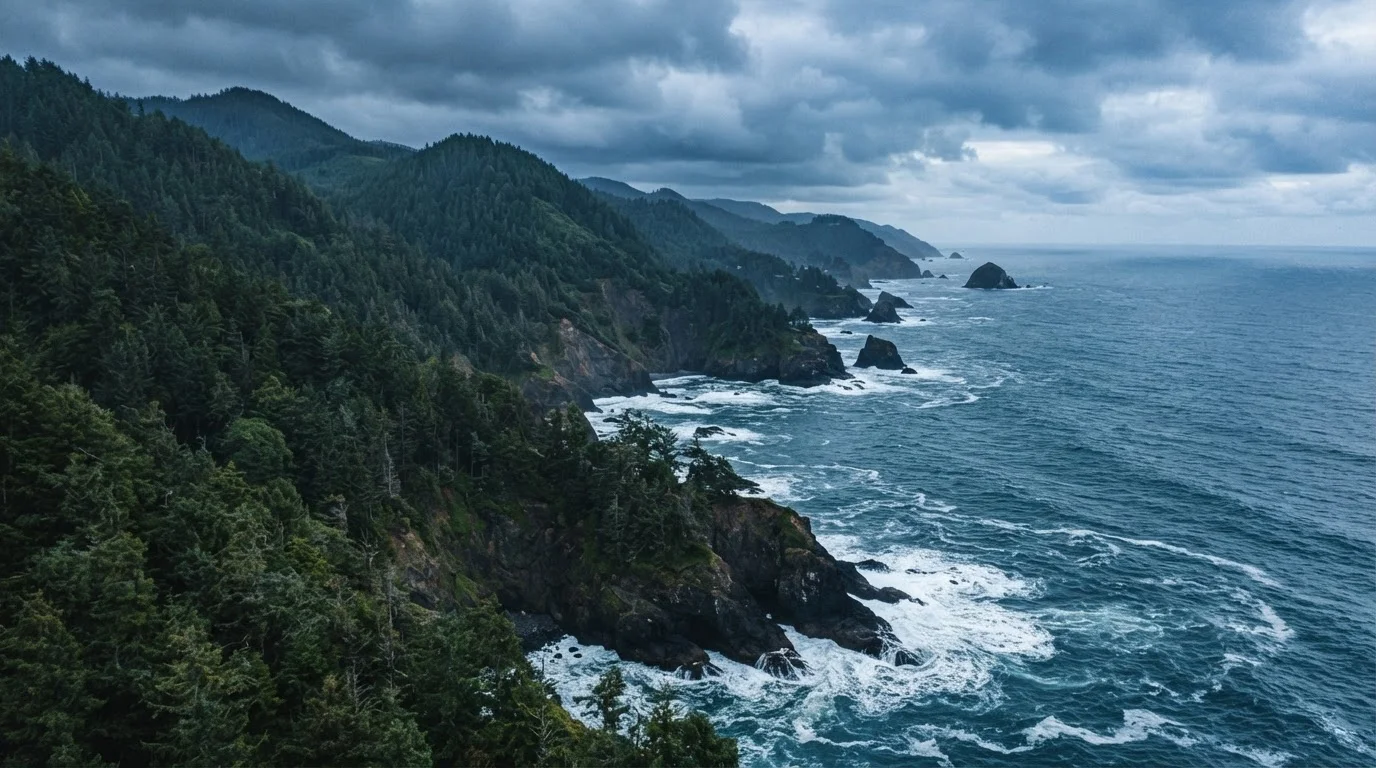
Photo credit: ArticlesHaven.net
In this article
Oregon coast, Washington's Olympic Peninsula, and the Cascades all fall under "Pacific Northwest" — but they're distinct trips. Here's how to think about them.
Why 'Pacific Northwest' Needs More Unpacking
Ask ten travelers where they're headed when they say "Pacific Northwest" and you'll get ten different trips. One person means the Oregon coast and tide pools. Another means Mt. Rainier and high-alpine meadows. A third is thinking about Portland's food scene or Seattle's Pike Place Market. These aren't interchangeable - they vary by terrain, driving time, weather window, and what you actually need to bring.
The region loosely covers western Oregon, western Washington, and sometimes the Idaho Panhandle. But for trip-planning purposes, it's more useful to think in zones: the coast, the Cascades, the urban corridors, and the Olympic Peninsula. Each has a distinct character and suits a different kind of traveler. For a broader look at how coastal and inland destinations differ in general, see our comparison of coastal vs. inland travel.
| Best general travel window | Mid-July through mid-September (Pacific Northwest tourism broadly recognized dry season) |
| Oregon coastline length | Approx. 363 miles (Oregon State Parks and Recreation Department) |
| Olympic National Park size | Nearly 1 million acres (National Park Service) |
| Nearest major airports | Seattle-Tacoma (SEA), Portland (PDX) |
| Rain forest average annual rainfall | 140-170 inches (Hoh Rain Forest) (National Park Service, Olympic National Park) |
| Driving time: Portland to Seattle | Approx. 3 hours (I-5, no stops) |
The Oregon Coast: Rugged, Accessible, and Genuinely Wild
U.S. Highway 101 runs the full length of Oregon's coast, making it one of the more accessible scenic drives in the country. The entire coastline is public land by state law - no private beach access restrictions. Towns like Cannon Beach, Newport, and Brookings each have distinct personalities, ranging from tourist-polished to working-fishing-village quiet.
What draws people here isn't warmth. The Oregon coast is overcast and cool most of the year, with summer being the driest window (roughly July through early September). Expect wind, mist, and sudden fog regardless of season. That said, the dramatic sea stacks, tide pools, and dune systems at places like Oregon Dunes National Recreation Area are genuinely hard to find elsewhere in the lower 48.
Budget travelers can do well here - state park campgrounds are numerous and relatively affordable compared to national park alternatives. Shoulder season (May-June or September-October) brings fewer crowds and lower accommodation rates, though weather is less predictable.
10M+
Annual visitors to Mt. Rainier National Park
Mt. Rainier consistently ranks among the most-visited national parks in the Pacific Northwest, per National Park Service visitor statistics.
363 miles
Publicly accessible Oregon coastline
Oregon's Beach Bill of 1967 established the entire ocean shore as public land, a distinction unique among US coastal states.
~140 days
Average annual cloudy days in Seattle
Seattle's climate data reflects a long overcast season, a key planning factor for travelers expecting consistent sun.
Washington's Olympic Peninsula and the Cascades: Two Very Different Mountains
The Olympic Peninsula is its own contained world - a rain-shadowed loop of ecosystems that includes temperate rainforest, alpine ridges, and Pacific coastline, all within Olympic National Park. It's less crowded than the Cascades and requires deliberate planning: many roads dead-end, and circumnavigating the peninsula means driving Highway 101 around it. Hoh Rain Forest and Hurricane Ridge reward visitors who time their trip around the weather window (July-September for alpine access).
The Cascades offer a different mountain experience. The range runs north-south through both states, with Mt. Rainier, North Cascades, and Crater Lake (in Oregon) as the marquee stops. Mt. Rainier is the most-visited and the most logistically organized - multiple entry points, well-maintained trails, and reliable visitor infrastructure. North Cascades, by contrast, is genuinely remote and sees far fewer visitors, making it a better fit for experienced hikers who want solitude. If multi-park road trips are part of your thinking, a planned West-wide route can help sequence these stops efficiently.
Rain shadow
A dry area on the downwind side of a mountain range where precipitation is significantly reduced. Parts of the Olympic Peninsula and Eastern Washington experience rain shadow effects from the Cascades and Olympic Mountains.
Temperate rainforest
A forest type in mild, coastal climates with very high annual rainfall. The Hoh Rain Forest in Olympic National Park is one of the few temperate rainforests in the continental US.
Alpine zone
The high-elevation landscape above the treeline, characterized by meadows, rocky terrain, and seasonal snowpack. Alpine areas in the Cascades are typically accessible only from July through early October.
Sea stack
A pillar of rock rising from the ocean, formed when coastal erosion cuts through a headland. Sea stacks are a defining visual feature of the Oregon and Washington coasts.
Urban Gateways and How to Use Them
Portland and Seattle function as practical gateways with major airports, rental car hubs, and a range of accommodation price points. Both cities also have standalone appeal: Seattle for its waterfront, live music history, and day-trip access to the San Juan Islands; Portland for its neighborhood character, farmers markets, and position as a launching point for Mt. Hood or the Columbia River Gorge.
Travelers on tighter budgets may find Seattle hotel rates challenging, particularly in summer. Using these cities as two-night bookends on either side of a nature-focused itinerary - rather than the main event - often makes the most sense economically and logistically.
If you're comparing the Pacific Northwest to other major US travel regions, it's worth noting how it differs from places like the American South or the Great Lakes region - both of which trade dramatic wilderness for a different mix of culture, food, and history. For a comparison with a far wilder and more logistically demanding destination, see Alaska's regional breakdown.
Entry Fees and Passes Worth Knowing
Several Pacific Northwest destinations - including Mt. Rainier, Olympic, and North Cascades National Parks - charge entry fees. An America the Beautiful annual pass covers entrance to all federal lands and can be cost-effective if you're visiting multiple parks in one trip. Verify current fee schedules and reservation requirements directly with the National Park Service before traveling, as timed-entry permits have been introduced at some high-traffic sites.

Author
Articles Haven Editorial Contributor
Articles Haven Editorial Team is the collective byline for our editorial team and contributor network. Articles published under this byline or an editorial pen name are researched, written, and reviewed according to our editorial standards for clarity, consistency, and independence before publication.
View all articles →