
The US Mobile Carrier Landscape: A Plain-English Overview
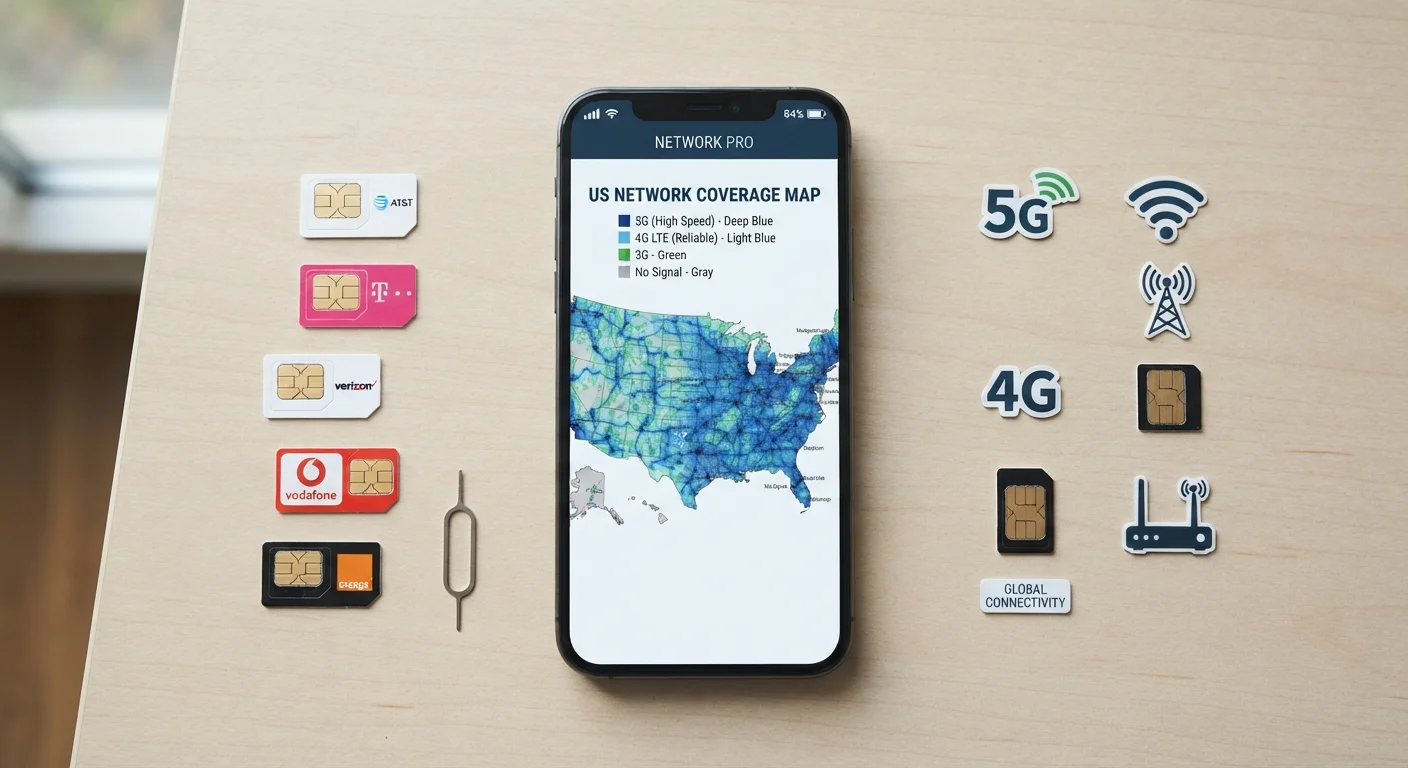
Photo credit: ArticlesHaven.net
In this article
A clear breakdown of how the US wireless industry is structured, from the big three networks to MVNOs and regional carriers.
Key Takeaways
- Three major national networks own most of the US wireless infrastructure: AT&T, T-Mobile, and Verizon.
- MVNOs lease capacity from the big networks and often offer lower prices with some trade-offs.
- Regional carriers can be a strong option in specific geographic areas where they have dense coverage.
- Coverage, network priority, and plan features matter more than price alone when comparing options.
- Knowing the structure of the industry helps you ask better questions before signing up.
How the US Wireless Industry Is Organized
The US mobile market has a layered structure that's worth understanding before you compare plans. At the top sit the network owners - companies that have built and licensed their own cellular infrastructure across the country. Below them are virtual operators that piggyback on those networks, and in some regions you'll also find regional carriers with more limited but sometimes very strong footprints.
This hierarchy matters because it directly affects what you get: coverage, speeds during busy periods, and what customer support looks like. For a quick reference on the terminology you'll encounter, see the Phone Plan Glossary - it defines everything from data caps to deprioritization in plain English.
Network Carrier
A company that owns and operates its own cellular towers, spectrum licenses, and infrastructure. They sell service directly to consumers under their own brand.
MVNO
Mobile Virtual Network Operator - a company that leases wireless network capacity from a carrier and resells it, usually at a lower price, without owning any towers itself.
Spectrum
The range of radio frequencies licensed by the government for wireless communication. The type and amount of spectrum a carrier holds affects coverage range and data speeds.
Network Deprioritization
When a network is congested, some users - often MVNO customers or lower-tier plan holders - get their speeds temporarily reduced so higher-priority users aren't affected.
Roaming
When your phone connects to a different carrier's network because your carrier has no coverage in that area. Roaming agreements between carriers make this possible, sometimes at extra cost.
Number Portability
The legal right in the US to keep your existing phone number when switching to a different carrier. The new carrier handles the transfer process.
The Big Three Networks Explained
Three companies - AT&T, T-Mobile, and Verizon - own the vast majority of wireless spectrum and tower infrastructure in the United States. Each has built a nationwide network capable of reaching most of the US population, though their geographic strengths differ.
- Verizon has historically emphasized rural and suburban coverage reliability, making it a common choice for users who travel extensively outside metro areas.
- AT&T competes closely in both urban and rural markets and also operates one of the larger fiber internet businesses, which enables telecom bundle options for some customers.
- T-Mobile expanded its mid-band 5G footprint aggressively following its merger with Sprint, and now claims some of the widest 5G coverage in the country - though the quality of that coverage varies by location.
All three offer a range of plan tiers, from basic prepaid to premium unlimited options with extras like international calling or streaming perks. The right fit depends on where you actually use your phone, not just where a network's map looks the largest.
Check Coverage at Your Specific Addresses
National coverage maps can look impressive but mask real gaps at street level. Before switching carriers, run your home address, workplace, and any frequently visited locations through each carrier's own coverage checker. It takes a few minutes and can reveal meaningful differences that the marketing materials won't highlight.
MVNOs: The Budget-Friendly Alternative
A Mobile Virtual Network Operator (MVNO) is a company that buys wholesale network access from one of the big carriers and sells it to consumers under its own brand. You're using the same towers - you're just a different customer on the billing side.
MVNOs can be significantly cheaper than their host networks, which makes them attractive for cost-conscious consumers. The trade-off is network priority: during congestion, MVNO subscribers are typically deprioritized behind the host carrier's direct customers. For most people in most locations, this is barely noticeable. In dense urban areas or at large events, it can mean noticeably slower speeds.
MVNOs also tend to have leaner customer support, fewer perks, and sometimes more limited device compatibility. For a detailed side-by-side breakdown, the article on big carriers vs. MVNOs covers the key trade-offs in full.
Watch for Hidden Limitations on MVNO Plans
Some MVNO plans restrict features like mobile hotspot, international texting, or roaming in ways that aren't obvious in the headline pricing. Read the plan details carefully - particularly the fine print on data deprioritization thresholds and which features are included versus add-ons. Cheaper isn't always simpler.
Regional Carriers and What They Offer
Regional carriers own their own network infrastructure, like the big three, but operate in a defined geographic area rather than nationwide. Examples historically include carriers that serve specific states or rural corridors. In their home territory, regional carriers can offer competitive pricing and strong signal - sometimes outperforming national carriers in specific areas where they've built dense infrastructure.
Outside their service area, regional carriers typically rely on roaming agreements with national networks, which can affect speed and cost. Understanding how roaming works is important if you travel regularly - the article on network sharing and roaming agreements explains how these arrangements function and what they mean for coverage gaps.
Regional carriers are worth evaluating if you live and work primarily in one area and find the national carriers are overpriced for your actual usage pattern.
Roaming Coverage Is Not the Same as Native Coverage
When a regional carrier routes you through a roaming partner's network, you may experience speed limits, data caps, or different pricing compared to native coverage. This is especially relevant for rural travelers who might see a signal but still experience throttled performance. Always check the roaming terms in your plan documentation.
Key Factors When Comparing Carriers
Once you understand the structure of the industry, comparing carriers becomes more straightforward. Here are the practical dimensions that matter most:
- Coverage where you actually are. Use coverage checkers for the specific addresses - home, work, and places you travel - not just a national map.
- Plan features vs. your actual usage. Unlimited plans aren't always the best value if you use modest data each month. Assess your last few bills before choosing.
- Network priority and deprioritization thresholds. Some unlimited plans throttle speeds after a data threshold even on the big carriers' own networks.
- International use. If you travel abroad, check what each carrier includes by default. The article on roaming charges and international phone use outlines what to ask before you leave the country.
- Bring-your-own-device compatibility. Confirm your existing phone is unlocked and compatible with a new carrier's bands before switching.
The US wireless market is competitive enough that switching is relatively easy - number portability is your right by law. Taking a structured approach to comparison puts you in a much stronger position than simply picking the plan with the lowest headline price.
If you're also evaluating home internet options alongside your mobile plan, the Internet Plans hub is a useful starting point for comparing home broadband types and providers.
This article is for general informational purposes only. Plan details, pricing, coverage, and carrier offerings vary and change over time. Always verify current information directly with carriers before making a decision.
Frequently Asked Questions

Author
Articles Haven Editorial Contributor
Articles Haven Editorial Team is the collective byline for our editorial team and contributor network. Articles published under this byline or an editorial pen name are researched, written, and reviewed according to our editorial standards for clarity, consistency, and independence before publication.
View all articles →