
The Complete Roadmap to Choosing a Telecom Bundle
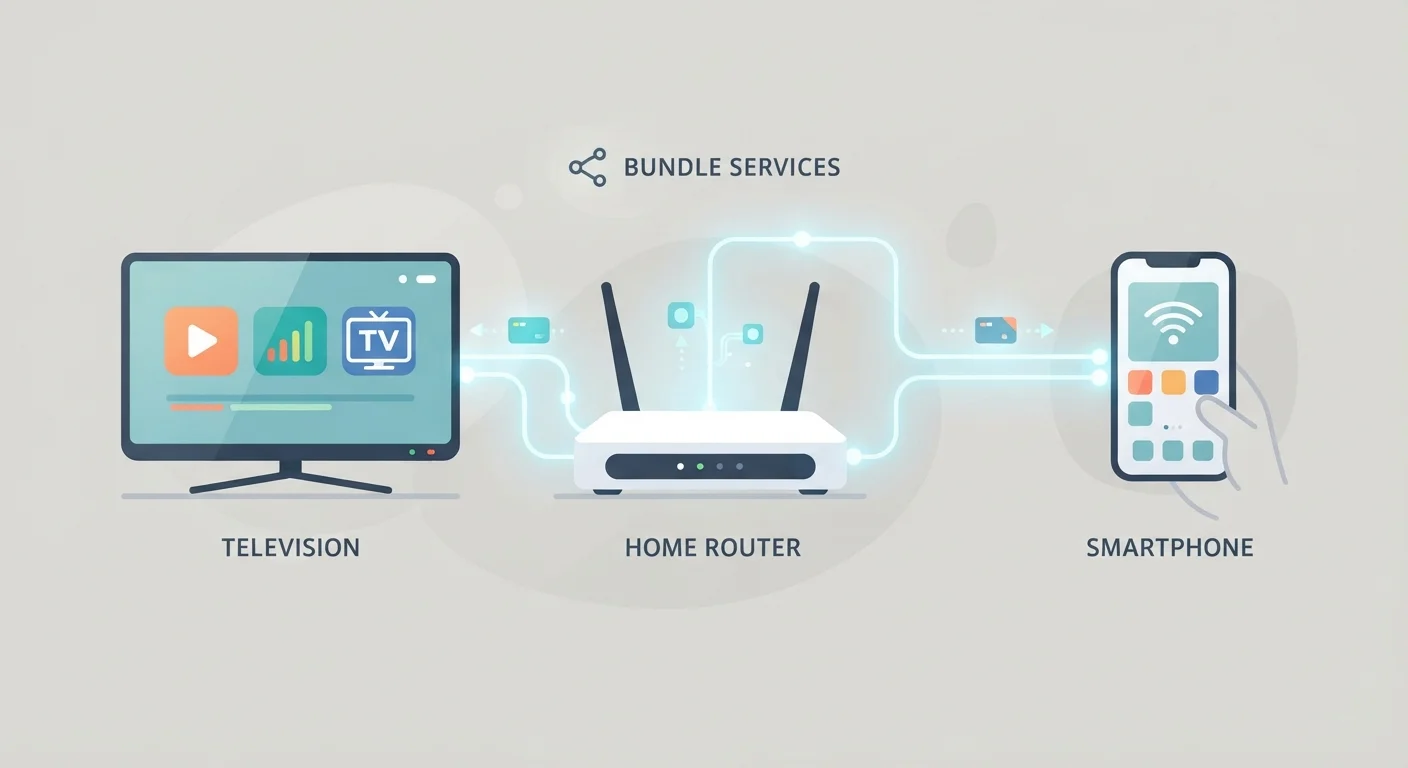
Photo credit: ArticlesHaven.net
In this article
From double plays to triple plays, this end-to-end guide covers everything US consumers need to know about bundled telecom packages.
Key Takeaways
- Bundles combine two or more telecom services - usually internet, TV, and phone - from one provider.
- A lower monthly line item doesn't always mean a better deal once fees and contract terms are factored in.
- Double-play bundles (internet + one other service) often suit streaming-heavy households better than triple plays.
- Always read the fine print on promotional pricing, early termination fees, and automatic rate increases.
- Bundling is not universally cheaper - compare the à la carte cost of each service before deciding.
What Is a Telecom Bundle?
A telecom bundle is a single subscription that packages two or more communication services - most commonly home internet, cable or satellite TV, and a landline phone - from the same provider. Providers offer bundles partly for their own convenience (one billing relationship, reduced churn) and partly because consumers respond to the perception of simplicity and savings.
Before going further, it's worth getting clear on the vocabulary. Terms like bandwidth, provisional credits, and equipment fees appear in nearly every bundle contract. Our telecom bundle glossary defines these and other common terms so you can read any offer with confidence. For a fuller primer on how bundles are structured and why providers design them the way they do, see Bundled Internet, TV, and Phone Services Explained.
~70%
US households with bundled telecom services
Industry research consistently estimates that a large majority of US broadband households subscribe to at least one bundled service package.
24 months
Typical bundle contract length
Most major US telecom providers structure bundle agreements around one- to two-year terms, with two years being the most common promotional offer.
$10-$20
Average monthly equipment rental fee
Modem and router rental fees are commonly billed separately and are frequently omitted from headline bundle pricing comparisons.
Double Play vs. Triple Play: Picking Your Package Type
The most common bundle configurations are double play (two services, typically internet + TV or internet + phone) and triple play (all three). A fourth tier - quadruple play, which adds a wireless line - is increasingly available as major carriers converge fixed and mobile services.
Which configuration fits your household depends on actual usage, not bundled marketing. Landline phones are largely redundant for households that rely entirely on mobile. Adding one only to reach a triple-play price tier rarely saves money in practice. Conversely, if your household streams heavily across multiple devices, upgrading the internet speed tier within a double play often delivers more tangible value than adding a TV package on top.
For a side-by-side breakdown of what each bundle type actually includes, the article Double Play vs. Triple Play: What Each Bundle Actually Includes walks through the practical differences in detail.
When comparing double and triple play options, price out only the services you'll actually use - then check whether dropping the third service à la carte costs less than the bundle upgrade.
Providers frequently structure bundle tiers so the jump from double to triple play appears cheap, but the incremental service added may have negligible real-world value for your household.
Ask the provider's retention department - not the sales line - what the rate will be after the promotional period ends. Get it in writing before you sign.
Post-promotional rates are contractually separate from introductory pricing and are often not volunteered during the standard sales conversation.
How to Evaluate Bundle Value
The core question is deceptively simple: does bundling cost less than buying each service separately? To answer it honestly, add up what you'd pay for each component à la carte - including any streaming subscriptions you'd cancel if you added a TV tier - and compare that total to the bundle's all-in monthly cost after the promotional period ends.
Promotional pricing is where most consumers are caught off guard. A bundle might be marketed at an attractive introductory rate that steps up significantly after 12 or 24 months. Always calculate value against the post-promo rate, not the teaser price.
Don't Compare Teaser Prices Head to Head
When two bundle offers show different introductory rates, comparing only those numbers is misleading. Promotional periods may differ in length, and the underlying post-promo rates - plus fees and surcharges - determine the actual long-term cost. Build a 24-month total cost estimate for any bundle you're seriously considering.
Also weigh flexibility. Bundles lock your services to one provider, which can be limiting if a competitor offers better internet speeds in your area or if your TV viewing habits shift toward streaming. For more context on how bundle claims can mislead, see Telecom Bundle Myths That Mislead Shoppers.
Contract Terms, Fees, and Fine Print
Bundle contracts typically include several cost layers beyond the advertised monthly rate:
- Equipment rental fees - modem, router, set-top boxes, and DVRs are often billed separately.
- Broadcast and regional sports surcharges - these are real charges that can add $20-$30 or more per month to a TV-inclusive bundle.
- Early termination fees (ETFs) - leaving before the contract ends can trigger fees that range from a flat amount to a per-remaining-month calculation.
- Annual price adjustments - many contracts allow the provider to raise rates once per year, independently of the promotional period.
Promotional Rates Are Temporary by Design
Almost every bundle offer leads with a discounted introductory price that expires after 12 to 24 months. After that period, the rate reverts to the provider's standard pricing, which can be substantially higher. Always calculate whether the bundle still makes financial sense at the non-promotional rate before committing.
Understanding these line items is the difference between a bundle that saves money and one that quietly costs more than expected over a two-year term.
When Bundling Makes Sense - and When It Doesn't
Bundling tends to offer genuine value when: you already use or need all the services included; you prefer a single bill and a single point of contact for support; and the post-promotional price is competitive with à la carte alternatives in your area.
Bundling tends to work against you when: you're paying for a service tier you don't use (a landline you never answer, a cable package you stream around); the introductory rate disguises a significantly higher long-term cost; or you'd lose access to a better internet provider to stay within a bundle ecosystem.
Mobile integration is worth a separate look. Some providers now include a wireless line in quad-play bundles. Understanding how the broader wireless market is structured - including the role of MVNOs and regional carriers - can help you evaluate whether a bundled mobile line actually competes with standalone plans. Our overview of the US mobile carrier landscape provides useful context there.
If you want to explore standalone internet options before deciding, Internet Plans compares home internet by speed, price, and provider type.
Availability Varies Significantly by Address
Bundle options depend entirely on which providers serve your specific address. A package advertised nationally may not be available at your location, or may come with different speed tiers or channel lineups than the headline offer suggests. Always confirm exact availability and terms for your address, not just your zip code.
Steps to Take Before You Commit
Before signing any bundle contract, work through these practical steps:
- Audit your current usage. List every service you actively use and its cost. Identify anything you'd drop if a bundle covered it differently.
- Calculate the true monthly cost. Add equipment fees, surcharges, and taxes to the advertised rate. Use the post-promotional figure.
- Check availability at your address. Not every bundle tier is available in every area; confirm speed and channel availability, not just advertised maximums.
- Read the contract length and ETF clause. Know what it costs to leave early and whether the rate is locked or adjustable.
- Ask about price-lock guarantees. Some providers offer them; most don't by default.
Our dedicated pre-commitment checklist at Before You Sign a Bundle Contract covers these questions in greater depth and gives you a printable framework to use when comparing offers side by side.
Also consider your mobile services. Exploring Phone & Mobile plans alongside a bundle can reveal whether consolidating with one provider actually saves money versus mixing and matching.
Negotiate Before You Sign - and at Renewal
Bundle pricing is often more negotiable than it appears. Calling to cancel or expressing intent to switch frequently surfaces retention offers not listed publicly. The same tactic applies when your promotional period ends and your rate is set to increase - proactive outreach before the renewal date gives you more leverage than waiting for the higher bill to arrive.
This article is for general informational purposes only. Telecom pricing, availability, contract terms, and provider offerings vary by location and change frequently. Always verify current terms directly with the provider before signing any agreement.

Author
Articles Haven Editorial Contributor
Articles Haven Editorial Team is the collective byline for our editorial team and contributor network. Articles published under this byline or an editorial pen name are researched, written, and reviewed according to our editorial standards for clarity, consistency, and independence before publication.
View all articles →