
Network Sharing and Roaming Agreements Between US Carriers
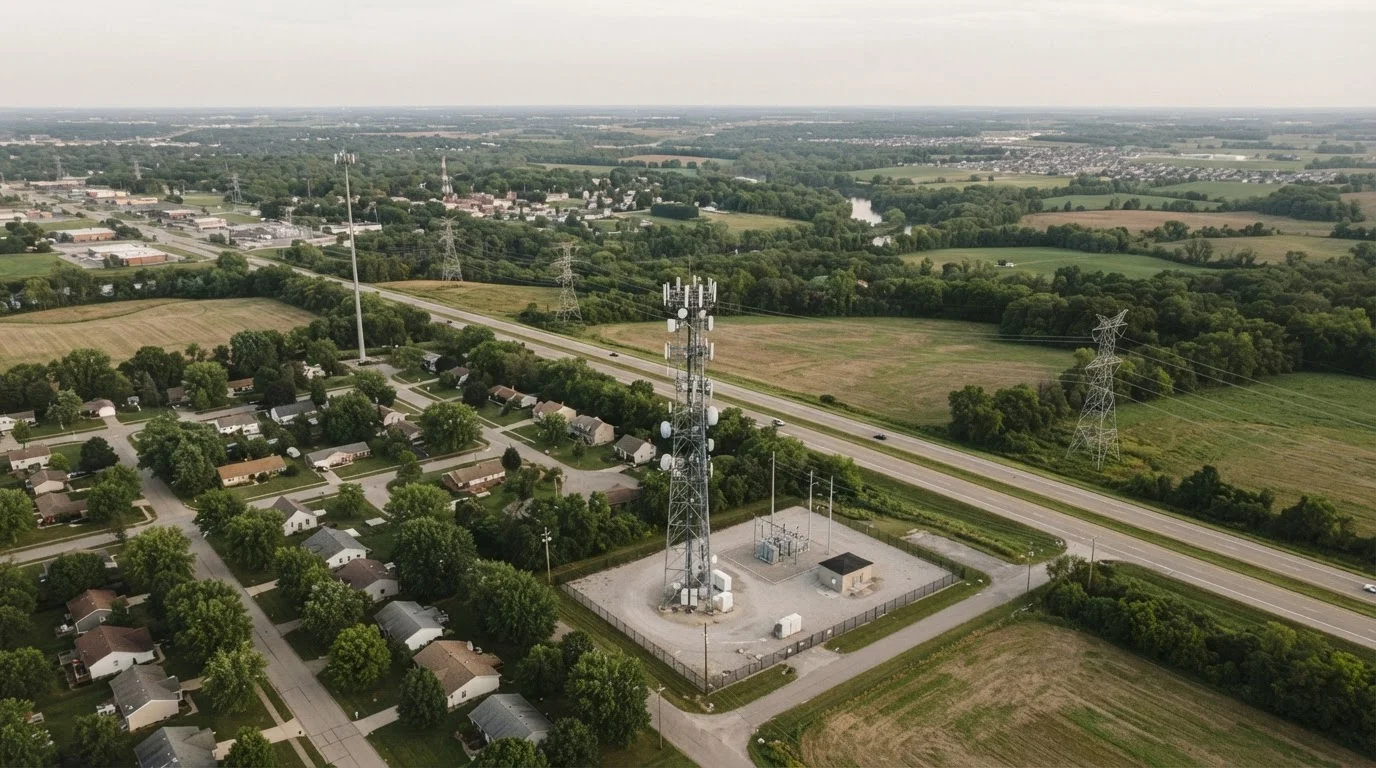
Photo credit: ArticlesHaven.net
In this article
Carriers sometimes share infrastructure or have roaming agreements. Learn how these arrangements affect coverage in areas where a carrier has limited towers.
Key Takeaways
- Roaming agreements let your phone connect to a partner carrier's towers when your carrier lacks coverage in an area.
- Network sharing means two carriers jointly operate infrastructure, which can benefit both sets of customers.
- Roaming service is often deprioritized or speed-capped compared to native coverage on your carrier's own towers.
- MVNOs (mobile virtual network operators) rely entirely on host carrier networks, making their coverage contingent on those agreements.
- Checking whether a carrier uses roaming or native coverage in areas you frequent matters when comparing plans.
- Rural and remote areas are where these agreements have the biggest practical impact on everyday connectivity.
How Roaming Agreements Work in Practice
When you travel to a region where your carrier has few or no towers, your phone doesn't necessarily go dark. If your carrier has a roaming agreement with another carrier that has towers in that area, your device can connect through them. You're still billed by your own carrier - the two companies settle the infrastructure use between themselves behind the scenes.
The practical effect is that your coverage map looks larger than your carrier's own tower footprint. But there's an important caveat: roaming connections are frequently deprioritized. When the host carrier's network is busy, its own subscribers get bandwidth first. That can translate to noticeably slower speeds or dropped connections during peak hours.
This matters most in rural and less-populated areas. If you spend significant time outside major metro corridors, it's worth understanding whether a carrier's advertised coverage in your area is native or roaming. Rural coverage considerations can vary dramatically depending on which agreements a carrier has in place.
Roaming Doesn't Always Mean International
In the US, domestic roaming refers to connecting through another carrier's towers within the country. It's separate from international roaming, which applies when traveling abroad. The two are governed by different agreements and often different rate structures. If your plan says "unlimited domestic roaming," that applies within the US only.
Network Sharing: When Carriers Co-Build Infrastructure
Network sharing goes beyond roaming. Under a network sharing arrangement, two carriers may jointly construct, own, or operate cell towers and related equipment. Each carrier's customers can then access that shared infrastructure as native coverage - not as a roaming fallback.
These arrangements are most common in rural markets, where the cost of building independent tower networks is harder to justify for any single carrier. By splitting capital and operating costs, carriers can extend service to areas that might otherwise remain underserved.
From a consumer perspective, network sharing agreements can be a genuine positive: they often mean better coverage without raising plan prices. The trade-off is less carrier differentiation - in some regions, two nominally competing carriers may be running off identical tower hardware.
~90%
US population covered by at least one major carrier
The FCC's mobile broadband maps indicate coverage is widespread in populated areas, though rural gaps remain a documented challenge.
Hundreds
Active MVNOs operating on US host networks
Industry analysts note a large and varied MVNO market in the US, all dependent on roaming and network access agreements with host carriers.
MVNOs and the Network Dependency Question
Mobile virtual network operators - commonly called MVNOs - don't own any tower infrastructure at all. They purchase wholesale access to a host carrier's network and resell it under their own brand. That makes the host carrier's roaming and sharing agreements directly relevant to MVNO customers, even though most MVNO marketing materials don't highlight this.
If your MVNO's host carrier has strong roaming agreements covering your region, you may see solid coverage. If those agreements are thin or restricted to native towers only, coverage gaps will show up quickly. MVNOs often have less favorable roaming terms than the host carrier's own retail plans - a detail worth investigating before choosing a budget plan.
Before signing up for any wireless plan, reviewing the coverage terms carefully is essential. What to check before committing to a new plan covers the right questions to ask about coverage, data caps, and roaming policies upfront.
Test Coverage Before You Commit
Many carriers offer trial periods or short-term prepaid options. If you're unsure about coverage in areas you frequent, running a test on a prepaid SIM before porting your number is a low-risk way to verify real-world performance. Pay attention to data speeds in areas where you'd rely on roaming, not just in your home city.
What This Means When You're Comparing Plans
Coverage maps distributed by carriers are accurate in a technical sense - they reflect areas where you can expect a signal. But they often don't distinguish between native coverage and roaming coverage, and they rarely spell out the speed or priority differences that apply in roamed areas.
A few practical steps help cut through the ambiguity:
- Ask the carrier or MVNO directly whether coverage in your key locations is native or partner-based.
- Read the network management policy disclosures - carriers are required to publish these, and they explain how traffic is prioritized. Understanding a carrier's network management policy can help you interpret what those disclosures actually mean.
- Check whether your plan includes domestic roaming, and if so, whether data speeds are capped while roaming.
If you travel or commute through areas with variable coverage, the distinction between native and roaming service may matter more than headline download speeds. Questions to ask before signing up for a cell plan offers a useful framework for pressing carriers on exactly these details.
“Coverage maps are marketing tools as much as they are information tools. Consumers benefit most from asking whether coverage in their specific locations is built on owned infrastructure or partner agreements - those are very different things in practice.”
— telecommunications policy researcher, Academic researcher in US wireless policy and infrastructure
Frequently Asked Questions

Author
Articles Haven Editorial Contributor
Articles Haven Editorial Team is the collective byline for our editorial team and contributor network. Articles published under this byline or an editorial pen name are researched, written, and reviewed according to our editorial standards for clarity, consistency, and independence before publication.
View all articles →