
What Liability Insurance Actually Protects You From
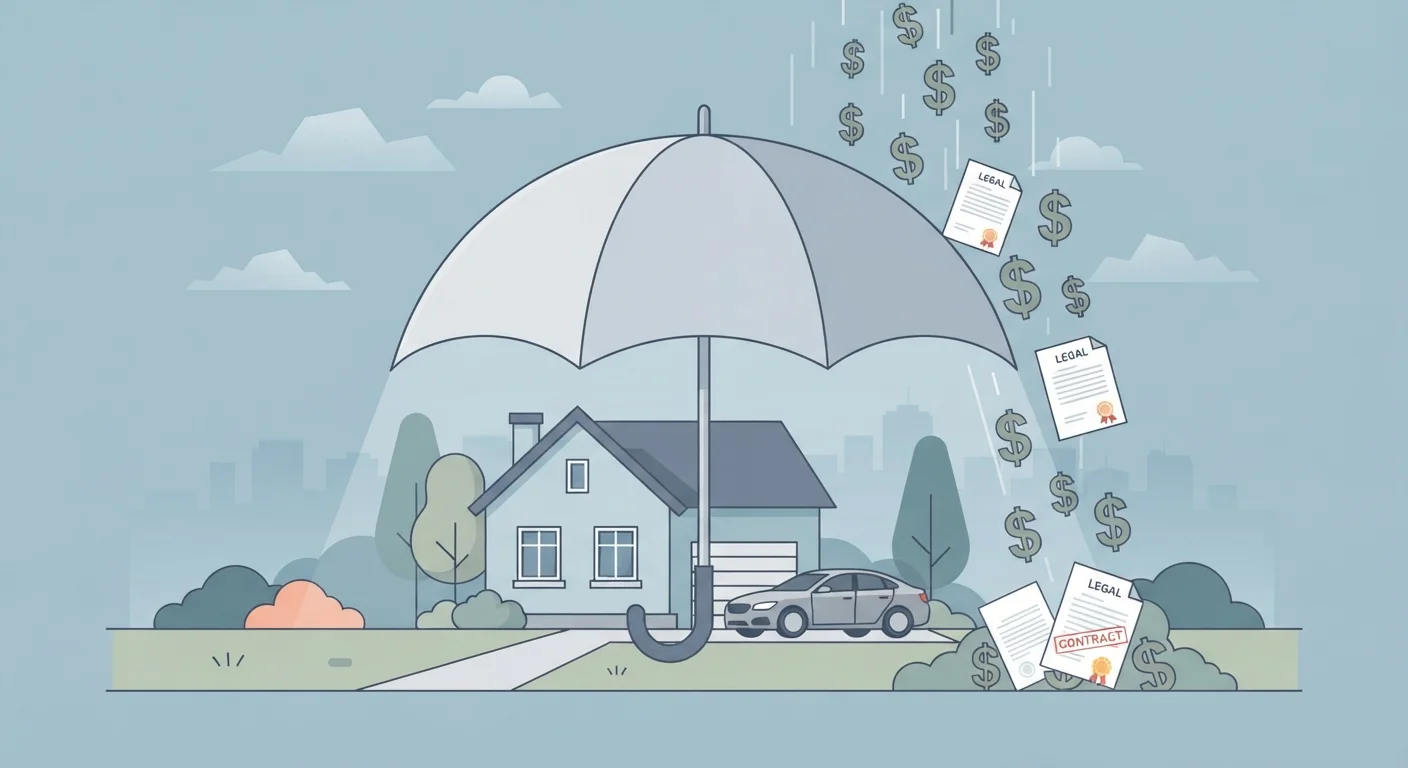
Photo credit: ArticlesHaven.net
In this article
Liability coverage appears in auto, home, and business policies. This explainer clarifies what it covers and where gaps can appear.
Key Takeaways
- Liability insurance covers harm you cause to others, not damage to yourself or your belongings.
- It appears in auto, homeowners, renters, and business insurance policies - sometimes under different names.
- Every policy has a coverage limit; costs above that limit are your responsibility.
- Personal umbrella policies can extend liability limits across multiple underlying policies.
- Intentional acts, business activities done at home, and certain professional errors are commonly excluded.
Where Liability Coverage Shows Up
Liability protection doesn't exist as a standalone product most consumers shop for - it's a component woven into several common policy types. Understanding where it appears helps you see what you already have and where gaps might exist.
- Auto insurance: Bodily injury and property damage liability are required coverages in most states. They pay when you cause an accident that injures another driver, passenger, or pedestrian, or damages another vehicle or structure. See how auto coverage types break down for a fuller picture.
- Homeowners and renters insurance: Personal liability coverage pays if a guest is injured on your property, or if you or a household member accidentally damage someone else's property. It also typically covers your legal defense if you're sued.
- Business policies: General liability insurance is a foundational coverage for businesses, protecting against third-party bodily injury, property damage, and related legal costs.
Each of these contexts uses the same core principle - you caused harm to someone else, and the policy responds - but the specific definitions and exclusions differ by policy type.
Renters Are Covered Too
You don't need to own a home to have personal liability coverage. Standard renters insurance policies include a personal liability component that works the same way as in homeowners policies - covering you if a guest is injured in your apartment or if you accidentally damage a neighbor's property. It's an often-overlooked benefit of renters insurance.
What Liability Coverage Actually Pays For
When a covered incident occurs, liability insurance generally pays for two categories of costs:
- Damages owed to the other party: This includes medical expenses for the injured person, repair or replacement costs for damaged property, and in lawsuit settlements, potentially pain and suffering or lost wages.
- Your legal defense: If someone sues you, your policy typically covers attorney fees, court costs, and related expenses - even if the lawsuit turns out to be unfounded. This alone can run into tens of thousands of dollars.
These payments are subject to the limits stated in your policy. A limit of $100,000 means the insurer pays up to that amount - anything above it falls to you personally. That's why liability limits are often underestimated by everyday consumers.
$500K+
Average jury award in personal injury cases
According to data compiled by the Insurance Research Council, large jury awards in personal liability suits frequently exceed standard policy limits.
1 in 6
Homeowners who had a liability claim in a given year
The Insurance Information Institute has noted that liability claims are among the most common reasons homeowners file against their policies.
$150-$300
Typical annual cost of a $1M umbrella policy
Industry estimates from the Insurance Information Institute suggest personal umbrella policies are relatively affordable for the additional coverage layer they provide.
Common Gaps and Exclusions
Liability coverage has clear limits on what it will and won't pay for. Knowing where the gaps typically appear helps you make more informed decisions when reviewing or adjusting a policy.
What liability typically does not cover:
- Intentional or criminal acts - if harm was deliberate, the policy won't respond.
- Your own injuries or property damage.
- Business activities conducted from your home under a personal policy.
- Professional errors or negligence (a separate professional liability or errors-and-omissions policy is usually required).
- Damage caused by certain dog breeds or trampolines, depending on the homeowners policy language.
For a broader view of what policies commonly exclude, see this overview of coverage gaps across insurance types.
Review Your Limits Annually
Policy limits that made sense when you first bought coverage may no longer reflect your current financial situation or asset level. Reviewing your liability limits each year - especially after major life changes like buying a home, starting a business, or acquiring significant savings - helps ensure your coverage keeps pace with what you actually need to protect.
How Umbrella Policies Extend Protection
A personal umbrella policy sits above your existing auto and homeowners liability limits, providing an additional layer - often $1 million or more - once those underlying limits are exhausted. Umbrella policies are generally purchased separately and are relatively affordable relative to the extra protection they provide.
They're worth considering if you own significant assets, have a higher risk of being sued (you coach youth sports, host frequent gatherings, employ household staff), or simply want more peace of mind above your standard limits. If you're weighing whether a full coverage structure makes sense for your auto situation specifically, this breakdown of liability-only vs. full coverage auto insurance covers the financial trade-offs clearly.
“Most people don't think about their liability limits until after a claim. By then, it's too late to adjust coverage. The time to evaluate whether your limits are adequate is before something goes wrong.”
— Insurance Information Institute, U.S. Insurance Industry Research and Education Organization
This article is for general informational purposes only and does not constitute insurance, legal, or financial advice. Coverage terms, limits, and exclusions vary by insurer, policy, and state. Consult a licensed insurance professional before making coverage decisions.
Frequently Asked Questions

Author
Articles Haven Editorial Contributor
Articles Haven Editorial Team is the collective byline for our editorial team and contributor network. Articles published under this byline or an editorial pen name are researched, written, and reviewed according to our editorial standards for clarity, consistency, and independence before publication.
View all articles →