
Car Insurance Coverage Types: A Plain-English Reference
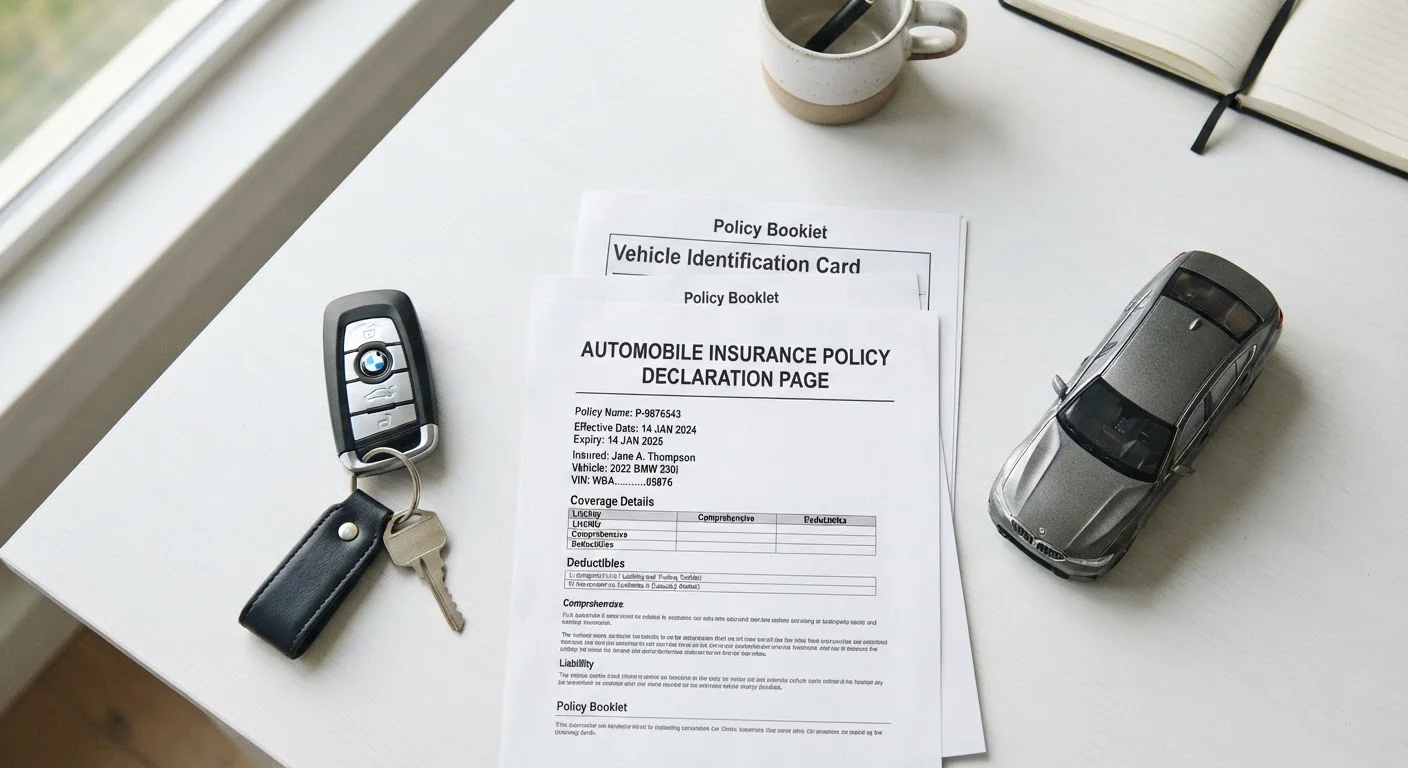
Photo credit: ArticlesHaven.net
In this article
Liability, collision, comprehensive, uninsured motorist—what each type covers and when it typically applies.
Why Coverage Type Matters More Than Price
Most drivers comparison-shop auto insurance by premium alone. That's understandable - but the coverage type you choose determines what actually gets paid after a claim. Two policies can cost similar amounts and leave you in very different financial positions after an accident. This reference breaks down each major coverage category in plain terms, so you know what you're buying before you sign.
For a broader foundation, see Auto Insurance Basics: What Every Driver Needs to Know - it covers how policies are structured overall. For a deeper look at how all these types compare side by side, The Types of Auto Insurance Coverage and What Each One Does is a useful companion reference.
| Required in most U.S. states | Liability coverage (State motor vehicle laws vary; verify your state's minimums) |
| Covers your vehicle in a crash | Collision coverage |
| Covers non-collision vehicle damage | Comprehensive coverage (Includes theft, weather events, fire, and animal strikes) |
| Protects you when the at-fault driver is uninsured | UM/UIM coverage (Required in some states; optional in others) |
| No-fault medical coverage | PIP / MedPay (PIP required in no-fault states; MedPay widely optional) |
| Pays loan gap if car is totaled | Gap coverage (Relevant when you owe more than the car's current market value) |
The Core Coverage Types Explained
Liability Coverage
Liability is the foundation of nearly every auto policy - and it's legally required in almost every U.S. state. It covers damage or injury you cause to other people: their medical bills, vehicle repairs, and legal costs if they sue. It does not cover your own injuries or your vehicle. Policies are typically expressed as split limits (e.g., 100/300/100), meaning per-person injury, per-accident injury, and property damage caps. For a closer read on what liability does and doesn't protect, see Liability Coverage in Plain English.
Collision Coverage
Collision pays to repair or replace your vehicle when it's damaged in a crash - regardless of who's at fault. That includes hitting another car, a guardrail, or a stationary object. You pay your deductible first; your insurer covers the rest up to your car's actual cash value. It's typically optional unless required by a lender.
Comprehensive Coverage
Comprehensive covers vehicle damage from events other than collisions - theft, vandalism, fire, hail, flooding, or striking an animal. Like collision, it's subject to a deductible and capped at actual cash value. Lenders usually require it on financed or leased vehicles. For a clear breakdown of how these two coverage types differ, see Comprehensive vs. Collision Coverage.
~13%
U.S. drivers estimated to be uninsured
According to the Insurance Research Council, roughly 1 in 8 drivers on U.S. roads carries no auto insurance.
50 states
All require some form of financial responsibility for drivers
Nearly all states mandate liability insurance at minimum; New Hampshire is a notable exception with alternative financial responsibility options.
Uninsured and Underinsured Motorist Coverage
This coverage steps in when the at-fault driver has no insurance - or not enough to cover your losses. Uninsured motorist (UM) coverage handles your injuries and sometimes property damage. Underinsured motorist (UIM) coverage pays the gap when the other driver's liability limits are too low. Some states require it; others don't. It's often worth carrying even when optional.
Personal Injury Protection (PIP) and Medical Payments (MedPay)
PIP covers medical expenses for you and your passengers after an accident, regardless of fault. In no-fault states, PIP is typically mandatory. It may also cover lost wages and related costs. MedPay is a narrower version - it covers medical bills only, has no lost-wage component, and is available in both fault and no-fault states. Check your state's requirements before deciding whether to add either.
Deductible
The amount you pay out of pocket before your insurer covers the remainder of a claim. Higher deductibles generally mean lower premiums.
Actual Cash Value (ACV)
What your vehicle is worth at the time of a claim, accounting for depreciation. This is typically the maximum payout for collision and comprehensive claims.
Split limits
A way of expressing liability coverage as three separate dollar caps: per-person injury, per-accident injury total, and property damage. Written as numbers like 25/50/25 (in thousands).
No-fault state
A state where each driver's own insurance pays for their medical costs after an accident regardless of who caused it, typically requiring PIP coverage.
Gap coverage
An add-on that covers the difference between your car's actual cash value and the remaining balance on your auto loan or lease if the vehicle is totaled.
Choosing the Right Mix for Your Situation
There's no single coverage combination that works for everyone. A few practical considerations:
- Lender requirements: If you're financing or leasing a vehicle, comprehensive and collision are almost always required.
- Vehicle value: On an older car with low market value, the cost of comprehensive and collision may exceed what you'd ever collect in a claim.
- State minimums: Liability requirements vary significantly by state - meeting the minimum is legal, but minimums are often low enough that a serious accident could leave you personally exposed.
- Gap coverage: If you owe more on your vehicle than it's worth, gap coverage pays the difference between what your insurer pays out and what you still owe on the loan.
For a structured look at how liability-only compares to fuller coverage packages, Liability-Only vs. Full Coverage Auto Insurance walks through the trade-offs in detail. If you want to understand how premiums, deductibles, and limits interact with your coverage choices, the Coverage & Costs hub is a good starting point.
State Laws Shape Your Baseline
Coverage requirements vary considerably from state to state. Liability minimums, PIP mandates, and UM/UIM rules all depend on where you're registered. What's sufficient coverage in one state may leave gaps in another. Always verify your specific state's current requirements with your insurer or state DMV before finalizing a policy.
This article provides general insurance information for educational purposes only. Coverage requirements, terms, and options vary by state and insurer. Consult a licensed insurance agent or adviser and review actual policy documents before making coverage decisions.

Author
Articles Haven Editorial Contributor
Articles Haven Editorial Team is the collective byline for our editorial team and contributor network. Articles published under this byline or an editorial pen name are researched, written, and reviewed according to our editorial standards for clarity, consistency, and independence before publication.
View all articles →