
DIY Car Maintenance Tasks vs. When to Hire a Mechanic
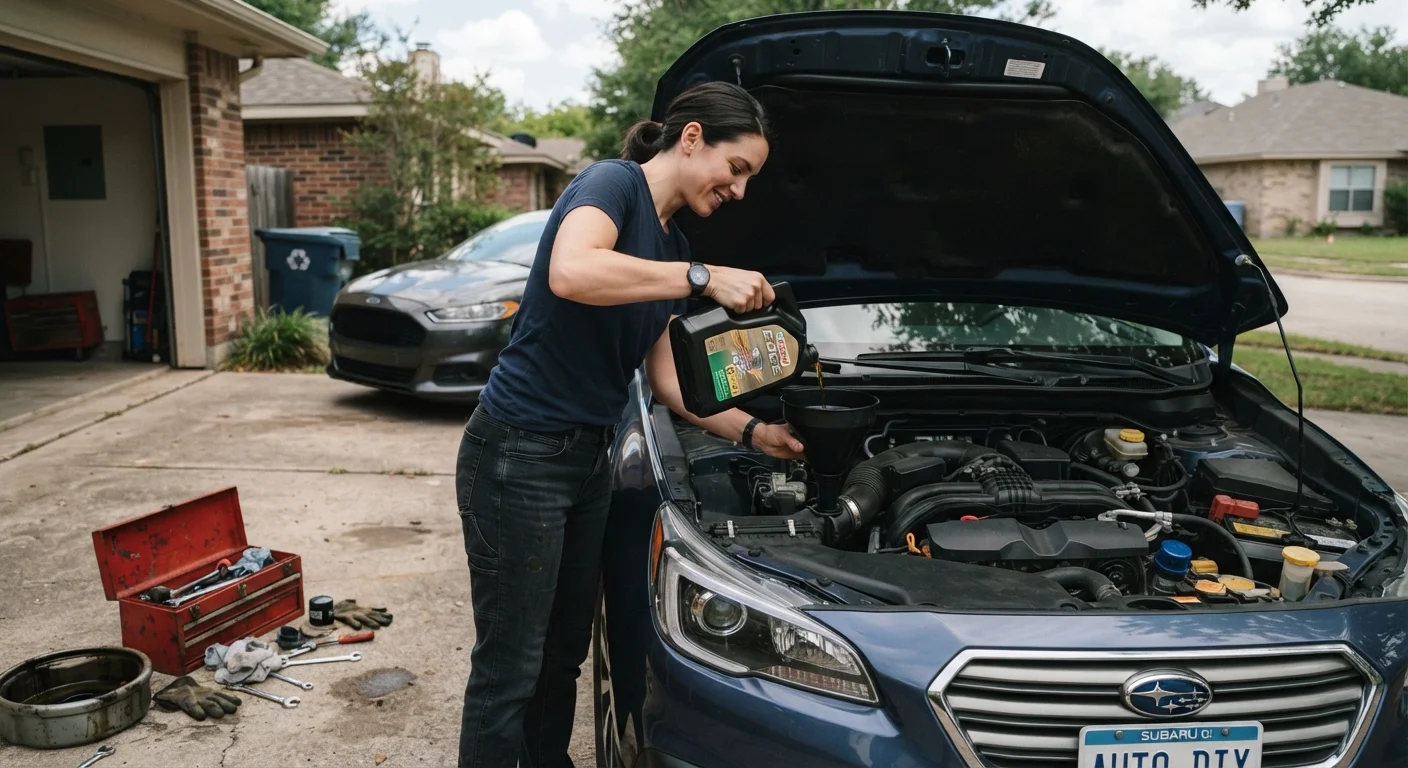
Photo credit: ArticlesHaven.net
In this article
Some maintenance tasks are genuinely owner-friendly. Others carry safety risks that make professional service the right call.
Key Takeaways
- Several routine maintenance tasks are genuinely safe for capable owners to do at home with basic tools.
- Brake system, suspension, and fuel system work carry real safety risks and typically warrant professional service.
- DIY saves money on labor but can cost more if a mistake leads to further damage or a safety incident.
- Your vehicle's owner manual is the most reliable guide for service intervals and specifications.
What Makes a Task DIY-Friendly?
Not every maintenance job requires a lift, specialized equipment, or years of training. The tasks most suitable for home mechanics share a few traits: they involve accessible components, require only basic tools, carry low consequence if done imperfectly, and are well-documented in your owner's manual.
Common examples include:
- Engine air filter replacement - Usually a clip or screw-secured housing, swappable in minutes.
- Windshield wiper blades - Most designs require no tools; instructions are often printed on the packaging.
- Cabin air filter - Typically behind the glove box, accessible without any special tools.
- Battery terminal cleaning - Removing corrosion with a brush and a baking soda solution is straightforward, though note that disconnecting the battery may reset some vehicle electronics.
- Tire inflation and visual inspection - A quality gauge and a few minutes can maintain safety and improve fuel economy.
For a clear picture of what's due and when, see our service interval guide.
Your Owner's Manual Is the Starting Point
Before consulting any online tutorial, check your vehicle's owner manual for the correct fluid types, torque specifications, and service intervals. Manufacturer specs are model-specific and more reliable than general advice. If you've lost your manual, most automakers make digital versions available on their websites.
Tasks That Carry More Risk Than They Appear
Some jobs look approachable but have a higher failure cost than most owners anticipate. Oil changes fall into an interesting middle ground - the process itself is manageable, but improperly torqued drain plugs or incorrectly seated oil filters can cause engine damage. If you're changing your own oil, verify the correct oil specification and drain plug torque in your manual, and double-check your work before starting the engine.
Brake pad replacement is similarly tempting as a DIY project and can be done safely by a careful, experienced home mechanic - but it requires proper jack stands (never a floor jack alone), correct torque specs for caliper bolts, and knowledge of how to properly bed the pads. Any uncertainty here is reason enough to defer to a professional. Brakes are not a system where an educated guess is acceptable.
Never Work Under a Vehicle on a Floor Jack Alone
Floor jacks are for lifting only - they are not rated to support a vehicle while you're underneath it. Always use properly rated jack stands placed at the manufacturer's specified lift points before going under the car. This is a non-negotiable safety requirement, not a suggestion.
It's also worth noting that some popular car care beliefs don't hold up under scrutiny. For example, the idea that you should always change your oil every 3,000 miles is largely outdated for modern vehicles. Our car ownership myths article covers several assumptions that may actually be costing you money.
When to Hire a Mechanic - No Debate Needed
Certain systems require professional hands, not because DIY is impossible in principle, but because the margin for error is too narrow and the stakes too high.
| Task | DIY-Friendly | Hire a Mechanic | |
|---|---|---|---|
| Engine air filter | Yes - simple swap, no special tools | Unnecessary unless bundled with other service | |
| Brake pad/rotor replacement | Only with experience and proper tools | Recommended for most owners | |
| Suspension components (struts, control arms) | Not recommended - requires spring compressors | Yes - safety-critical alignment required after | |
| Oil and filter change | Yes, if done carefully with correct specs | Fine option if preferred or uncertain | |
| Coolant flush | Possible, but disposal of old coolant requires care | Preferred for full system flush | |
| Timing belt/chain replacement | No - complex, high-consequence if done wrong | Yes - specialized knowledge required |
Beyond what's in the table, any work involving the fuel system (injectors, fuel lines, fuel pump) should go to a shop. Fuel is flammable, and connections that aren't sealed correctly create fire and vapor hazards. Similarly, airbag system work - including clock spring replacement or any component near the airbag module - should only be handled by technicians with the correct equipment, as inadvertent deployment is a serious injury risk.
If your check engine light is on and you're not sure why, a shop with a proper diagnostic scanner can read manufacturer-specific codes that consumer OBD-II readers may miss. Understanding what you're looking at in a repair estimate matters too - our mechanic's estimate guide explains labor hours, parts sourcing, and diagnostic fees in plain terms.
Making the Call: A Practical Framework
Before deciding whether to DIY or hire out, run through a short checklist:
- Do you have the right tools? Torque wrenches, jack stands, and specialty sockets are often required and aren't always in a basic home toolkit.
- Can you find reliable, vehicle-specific instructions? General YouTube tutorials may not account for your specific make, model, and model year.
- What's the cost of a mistake? For a cabin air filter, a misstep is trivial. For a brake caliper, it isn't.
- Is the vehicle still under warranty? Some service records requirements may apply - check your warranty terms before skipping dealership service.
The same logic applies in other areas of home upkeep. Just as knowing when to call a contractor can prevent costly home repair mistakes, knowing when to defer to a mechanic protects both your vehicle and your budget.
~35%
Share of car repairs attempted as DIY
Consumer surveys consistently show a significant portion of owners attempt at least some maintenance themselves, most commonly fluid checks and filter replacements.
$100-$150/hr
Typical shop labor rate range
Labor rates vary considerably by region and shop type; dealerships often charge at the higher end of this range compared to independent shops.
Ultimately, the goal is to handle what you confidently can, and hand off what you can't - not to prove a point either way.

Author
Articles Haven Editorial Contributor
Articles Haven Editorial Team is the collective byline for our editorial team and contributor network. Articles published under this byline or an editorial pen name are researched, written, and reviewed according to our editorial standards for clarity, consistency, and independence before publication.
View all articles →