
Household Waste Sorting: What Goes Where and Why It Matters
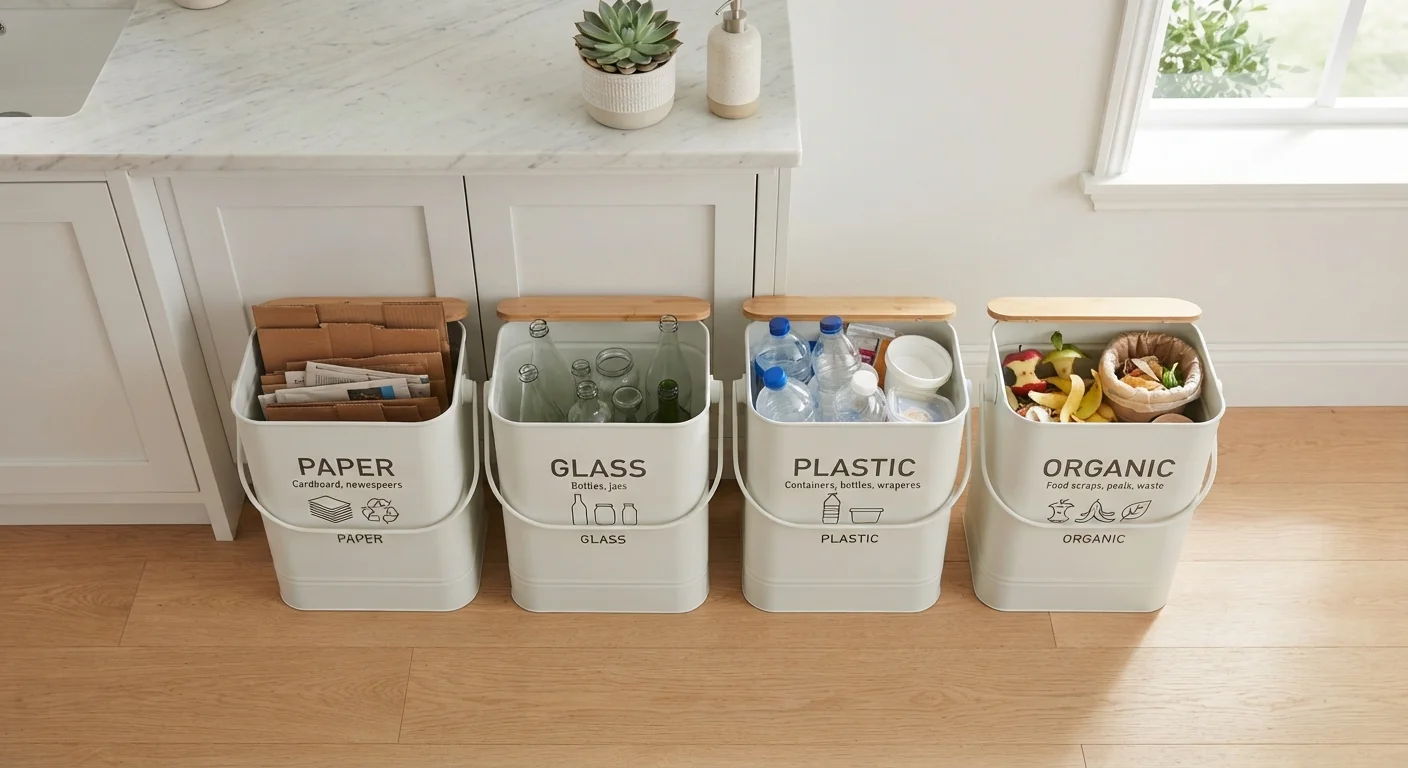
Photo credit: ArticlesHaven.net
In this article
Recycling rules vary by municipality and many households get them wrong. Here's a general framework for sorting waste correctly.
Why Sorting Matters More Than Most People Realize
Household waste sorting isn't just an administrative chore - contaminated recycling can cause an entire truckload of otherwise recyclable material to be sent to landfill. A single greasy pizza box or a plastic bag stuffed into a paper bin can trigger rejection at a sorting facility. That's why sorting correctly at home is the single most effective step a household can take.
The challenge is that rules vary significantly by municipality. What's accepted curbside in one city may be rejected in another. This article lays out a general framework - but you should always verify the specifics with your local waste authority or city website.
If you're thinking about reducing what you throw away in the first place, buying in bulk can be part of a smarter strategy - or it can create more packaging waste than it saves.
The Four Core Waste Streams
Most US municipalities organize residential waste into four categories. Understanding each one helps you make the call quickly when you're standing at the bin.
Curbside Recycling
A municipal program that collects recyclable materials from homes on a scheduled pickup day. Accepted materials vary by city and waste contractor.
Resin Code
The number inside the chasing-arrows symbol on plastic containers, ranging from 1 to 7. It identifies the plastic type, which determines whether it can be recycled in a given program.
Contamination
The presence of non-recyclable or dirty materials in a recycling bin. Even small amounts can render an entire load unprocessable at a sorting facility.
Wishful Recycling
The practice of placing items in a recycling bin without knowing they are accepted, hoping they qualify. This is a leading cause of recycling contamination.
Hazardous Household Waste
Materials that are dangerous to handle or dispose of in regular trash, such as batteries, paint, solvents, and fluorescent bulbs. These require designated drop-off or collection events.
Single-Stream Recycling
A collection system where all recyclables - paper, glass, plastic, metal - go into one bin rather than being pre-sorted. Most US curbside programs use this approach.
Recycling (Dry)
Typically includes clean cardboard, paper, rigid plastics (check the resin number - usually #1 and #2 are most universally accepted), glass bottles, and aluminum cans. Key word: clean and dry. Rinse food residue off containers before placing them in recycling. Caps on bottles are a local variable - some facilities want them on, others don't.
Organics / Compostables
Food scraps, coffee grounds, eggshells, and yard trimmings belong here where curbside organics pickup exists. If your area doesn't offer it, a backyard compost bin is a practical alternative. See backyard composting basics for a practical starting point.
Landfill (General Trash)
Anything that can't be recycled or composted - soiled packaging, broken ceramics, diapers, and most soft plastics. Soft plastics (bags, wrap, film) are a common source of confusion: they clog sorting equipment and almost never belong in curbside recycling.
Hazardous Household Waste
Batteries, paint, motor oil, fluorescent bulbs, and electronics require separate drop-off at designated facilities. Never put these in regular bins - they can contaminate recycling streams or pose safety risks at waste facilities.
Common Sorting Mistakes - and How to Avoid Them
Your Local Rules Override General Guidance
Recycling programs are managed at the municipal or county level, and what's accepted varies considerably. Glass, for instance, is collected curbside in some cities and excluded in others. Always check your city or county's official waste management page for the current accepted materials list - especially after contract changes, which happen periodically.
A few patterns show up repeatedly when households get sorting wrong:
- Wishful recycling: Putting something in the recycling bin hoping it qualifies - when it doesn't. Styrofoam, greasy paper, and most plastic bags fall into this trap.
- Bagging recycling: Placing recyclables inside a plastic bag before putting them in the bin. Sorting facilities can't process bagged loads efficiently; loose items are standard.
- Ignoring food residue: A peanut butter jar is recyclable - but only after it's been rinsed. A thin film of residue is typically fine; thick food contamination is not.
- Mixing organics and dry recycling: Wet food waste ruins paper fibers and makes cardboard unprocessable.
Reducing what enters the waste stream in the first place is equally important. Grocery planning systems that reduce food spoilage are one of the most direct ways to shrink your household's landfill contribution.
Tools and Systems That Make Sorting Easier
Sorting is easier when the physical setup at home supports it. A few practical approaches:
- Multiple bins in the kitchen: A two- or three-bin system under the sink or on the counter - one for recycling, one for compost, one for landfill - removes the friction of carrying items to another room.
- A posted reference guide: Print your municipality's accepted materials list and post it near the bins. This is especially useful for households with multiple people making sorting decisions.
- Scheduled hazardous waste days: Most counties hold periodic drop-off events. Adding them to a household calendar prevents batteries and old paint from piling up in a garage indefinitely.
If your household manages multiple overlapping tasks - waste, shopping lists, maintenance schedules - a centralized information system can help. See centralizing your household information for a practical approach to keeping everything accessible.
25%
Recycling contamination rate (estimated)
Industry estimates suggest roughly one in four items placed in recycling bins in the US is contaminated or non-recyclable, based on waste management sector reporting.
~35%
US municipal waste that is food and yard waste
According to EPA municipal solid waste data, food and yard trimmings together represent about a third of what Americans throw away.
This article is for general informational purposes only. Waste sorting rules vary by municipality - always verify accepted materials with your local waste management authority before changing your household practices.

Author
Articles Haven Editorial Contributor
Articles Haven Editorial Team is the collective byline for our editorial team and contributor network. Articles published under this byline or an editorial pen name are researched, written, and reviewed according to our editorial standards for clarity, consistency, and independence before publication.
View all articles →