
Grocery Shopping Systems That Actually Reduce Food Waste
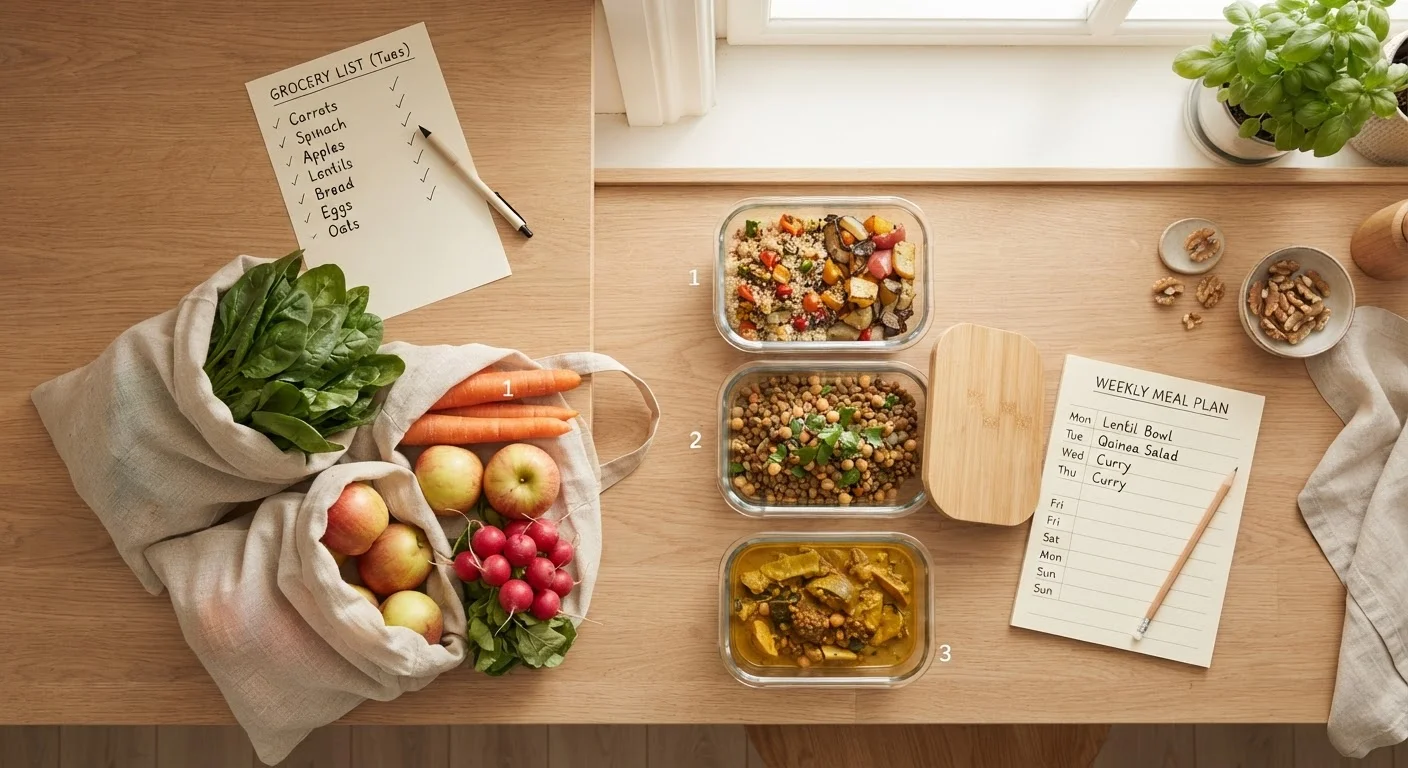
Photo credit: ArticlesHaven.net
In this article
Explore practical approaches to planning, buying, and storing groceries that cut waste and keep household food spending predictable.
Key Takeaways
- Planning meals before shopping is the single most effective way to reduce what gets thrown away.
- Storing food correctly extends shelf life and reduces spoilage regardless of what you buy.
- Buying in bulk only saves money when your household will realistically consume the item before it expires.
- A rotating pantry system - first in, first out - prevents forgotten items from quietly going bad.
- Flexible recipes that use similar ingredients across the week minimize leftover produce waste.
Why Most Households Waste More Than They Realize
Research from the USDA estimates that between 30 and 40 percent of the US food supply goes to waste, and a significant share of that happens at the household level. For most families, the problem isn't carelessness - it's the absence of a system. Groceries are bought with optimistic intentions, stored inconsistently, and forgotten until something smells off.
The good news is that small, repeatable habits outperform ambitious overhauls. You don't need a perfectly organized pantry or an elaborate meal-prep routine to meaningfully cut waste. You need a framework that fits how your household actually operates.
30-40%
Share of the US food supply lost or wasted
According to USDA estimates, a significant portion of this loss occurs at the consumer and household level.
$1,500+
Estimated annual food waste cost per household
The Natural Resources Defense Council has estimated that the average US family of four discards the equivalent of roughly $1,500 in food each year.
Plan Before You Shop - Every Time
The most impactful change most households can make is deceptively simple: don't shop without a plan. A rough weekly meal outline - not a rigid schedule, just a sense of what you'll cook - determines what you actually need and prevents duplicate buying.
Before writing a list, do a quick fridge and pantry scan. Note what's already on hand and what's close to expiring. Build meals around those items first. This habit alone tends to cut redundant purchases and reduces the chances that a half-used bunch of herbs or an open can of beans gets quietly discarded.
For households that find meal planning tedious, a loose template helps: two or three proteins per week, a handful of versatile vegetables that can cross multiple dishes, and a few pantry staples to round things out. See our grocery deal strategies that hold up beyond the weekly circular for ways to let price-smart buying reinforce this planning approach.
Flexible Recipes Reduce Leftover Waste
Choosing recipes that share core ingredients - for example, roasted chicken that feeds one dinner and a next-day grain bowl - reduces the chance that partial quantities of vegetables or proteins go unused. Cooking with intentional overlap between meals is one of the most practical waste-reduction strategies for busy households.
Storage Practices That Actually Extend Shelf Life
Even a well-planned shop produces waste if food isn't stored correctly. Different categories have different requirements - and the defaults most people use aren't always right.
Store leafy greens wrapped loosely in a dry paper towel inside a sealed container.
Excess moisture causes greens to wilt and rot quickly. The paper towel absorbs that moisture while the container limits air exposure, typically extending usable life by several days.
Keep cut fruit and prepped vegetables at eye level in the fridge.
Out of sight reliably means out of mind. When prepped produce is placed at eye level rather than in a crisper drawer, households consistently use it before it deteriorates.
Apply a first-in, first-out rotation every time you unpack groceries.
Pushing older items to the front and placing new purchases behind them ensures older food gets used first. This is standard practice in commercial kitchens for exactly this reason.
Freeze items before they spoil, not after you notice they've turned.
The freezer is most useful as a proactive tool, not a last resort. Bread, meat, bananas, and many cooked leftovers freeze well and extend usable life by weeks or months.
Buy in bulk only for items your household reliably consumes at high volume.
Bulk pricing looks compelling but generates waste when the quantity exceeds actual consumption before spoilage. Per-unit savings disappear when half the purchase is discarded.
For a deeper look at storage gear, our comparison of vacuum sealers vs. zip-lock storage walks through real-world differences in food preservation outcomes and cost per use.
Quick Wins You Can Apply This Week
Systemic change is easier when you start with a few high-return habits rather than trying to overhaul everything at once. The actions below take minutes but tend to produce lasting results once they become routine.
Pairing these habits with solid pantry organization compounds the effect. Our pantry organization principles article covers the structural side of keeping ingredients visible, accessible, and used before they expire.
If you're also looking to stretch your grocery budget further without extreme tactics, everyday savings without extreme couponing offers realistic strategies that complement a low-waste shopping approach.
Food Waste Has Broader Household Impacts
Reducing food waste connects to broader household waste management. How you sort packaging, compost scraps, and handle expired goods all affect your overall waste footprint. Our guide to household waste sorting covers the disposal side of the equation and is worth reading alongside any food-planning system you adopt.

Author
Articles Haven Editorial Contributor
Articles Haven Editorial Team is the collective byline for our editorial team and contributor network. Articles published under this byline or an editorial pen name are researched, written, and reviewed according to our editorial standards for clarity, consistency, and independence before publication.
View all articles →